





























































NCEP Cholesterol

NCEP Cholesterol
Photo Credit Jupiterimages/Photos.com/Getty Images

Coronary heart disease starts when excess cholesterol and fats from your bloodstream build up on the inner walls of the arteries supplying oxygen-rich blood to your heart. As the vessels narrow and become more rigid, your heart doesn't receive the nutrients it needs to work effectively. The National Cholesterol Education Program, or NCEP, addresses the relationship between high blood cholesterol and heart disease.

History

Before 2004, health care providers faced a good deal of conflicting evidence and recommendations around cholesterol management. The National Heart, Lung and Blood Institute convened a panel of clinical experts that year to examine the professional literature about high cholesterol and heart disease and establish some consensus guidelines. This National Cholesterol Education Program Expert Panel on Detection, Evaluation and Treatment of High Blood Cholesterol in Adults created a document reflecting NCEP's updated clinical guidelines.

Healthy Cholesterol Levels

The NCEP report recommended that doctors use a more complete blood test to identify people who need cholesterol management, and established clear values for healthy levels. When it comes to total cholesterol and LDL cholesterol guidelines, smaller numbers are better. Keep your total cholesterol less than 200 mg/dL, realize that values between 200 and 239 mg/dL are borderline high, and think of readings of 240 mg/dL and above as high. Optimal LDL levels are below 100 mg/dL, 100 to 129 mg/dL are near optimal/above optimal, and LDL readings between 130 and 159 mg/dL reflect the borderline high category. An LDL reading between 160 and 189 mg/dL is labeled high, while values above 190 mg/dL are very high. When you're looking at HDL results, 60 mg/dL or higher is a great target, but values below 40 mg/dL are unhealthy.

Dietary Recommendations

NCEP dietary guidelines emphasize the therapeutic lifestyle changes, or TLC, diet to improve your cholesterol picture. To stay within the TLC diet, limit your total fat intake to 25 percent to 35 percent of your daily caloric needs, restrict saturated fats to less than 7 percent, and keep trans fats below 1 percent. The rest of your total fat intake should come from healthier polyunsaturated or monounsaturated fats. The TLC diet also advises a cholesterol intake of less than 200 mg per day and sodium intake below 2,400 mg.

Foods to Avoid

Reduce saturated and trans fat intake by limiting your visits to fast food restaurants, avoiding solid fats such as butter and shortening, and restricting your intake of commercial baked goods. Stay away from red meat, egg yolks and full-fat dairy products to limit cholesterol and avoid high-sodium processed foods.

Healthy Foods

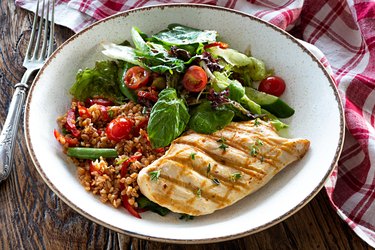
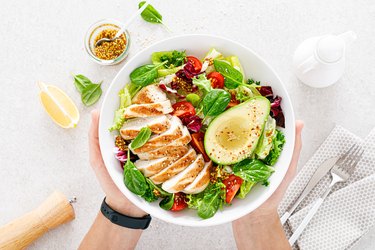
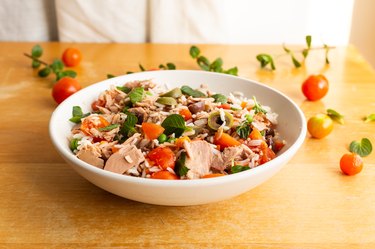
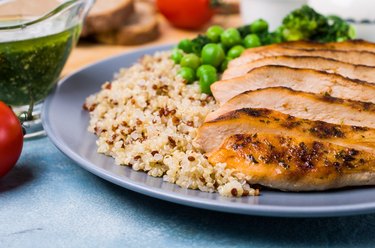
You can lower blood cholesterol by adding fiber-rich fruits, vegetables and whole grains to your diet. The American Heart Association advocates two servings a week of oily fish such as salmon or albacore tuna, as well as a handful of nuts or seeds four times a week.

References

Article reviewed by Bonny Brown Jones Last updated on: Nov 4, 2010

Must see: Photo Galleries