



























































Fever blisters, also known as cold sores, are clusters of small, itchy or painful blisters and sores that usually develop on or around the mouth. The National Institute of Dental and Craniofacial Research estimates that 95 percent of fever blisters are caused by the herpes simplex-1 virus. The remainder, according to NIDCR, are caused by herpes simplex-2 virus that usually causes genital herpes. Until the sores heal, NIDCR recommends a soft, bland diet to avoid irritation.
Cold Foods
Cold foods relieve fever blister discomfort by numbing sensitive nerve endings and decreasing swelling. For children, the American Academy of Pediatrics recommends cold drinks such as juice, milk or ice water and frozen treats like milkshakes and popsicles. However, among juices, parents should select non-acidic varieties such as apple juice or apricot nectar because acidic varieties such as lemonade and orange juice may make fever blister discomfort worse. The same options also work well for adults. Adults should also consider sipping beverages that contain caffeine.
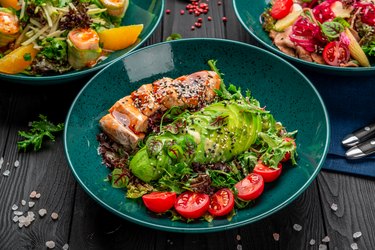
Fish
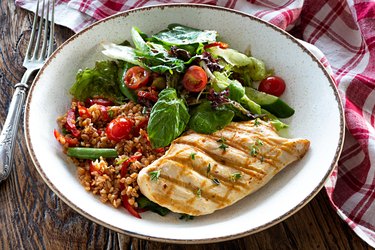
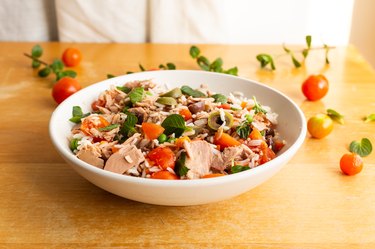
Fish is rich in an amino acid called lysine that may reduce the frequency and severity of fever blister outbreaks, according to holistic medicine specialist Alan R. Gaby, M.D. in his 2006 book, "Natural Pharmacy." Lysine works, Gaby says, by counteracting the growth-promoting effects of another amino acid, called arginine, on the herpes simplex virus and triggering the production of an enzyme called arginase that actually breaks arginine down. Although other foods---including meat and poultry---also contain high levels of lysine, fish is an especially good choice during an active outbreak because it is tender and easy to chew. Tough cuts of meat and poultry can scrape or scratch tender fever blisters and bones can poke. However, you should take care to choose fresh or frozen fish. The brine solutions used to preserve canned or dried fish may irritate fever blisters.
Fruits and Vegetables
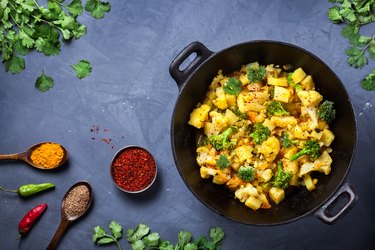
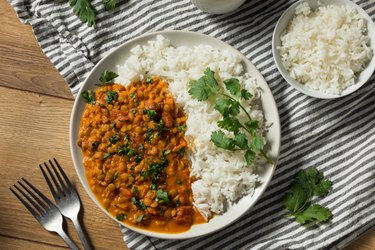
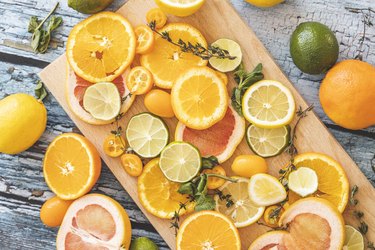
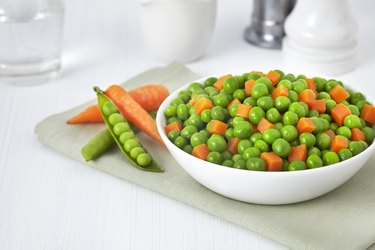
All people with fever blisters benefits from eating more fruits and vegetables, writes University of Wisconsin professor David Rakel, M.D. in his 2007 book, "Integrative Medicine." For adults, Rakel recommends at least seven or eight servings per day. For children, parents should base the number and size of servings on age. According to Rakel, fruits and vegetables contain nutrients that specifically help the immune system fight the herpes simplex virus and otherwise contribute to general health. While citrus fruits can make symptoms worse during an active outbreak, Rakel says all other fruits and vegetables are fair game. Most fruits are already soft. Vegetables, however, may need to be cooked.
References
- National Institute of Dental and Craniofacial Research: Fever Blisters and Canker Sores
- American Academy of Pediatrics: Mouth Ulcers
- American Academy of Pediatrics: Oral Herpes
- "Neuroscience Research"; Caffeine Inhibits Paresthesia Induced by Herpes Simplex; Kimiyasu Shiraki, Ph.D. et al.; July 1998
- "Integrative Medicine"; David Rakel, M.D.; 2007
- "Natural Pharmacy: Complete A to Z Reference to Alternative Treatments for Common Health Conditions"; Alan R. Gaby, M.D.; 2006


