





















































The NASH Diet

The NASH Diet
Photo Credit Jupiterimages/Photos.com/Getty Images

Nonalcoholic steatohepatitis, or NASH, is a liver condition that is frequently associated with people who have diabetes or are overweight. Although no direct cures or specific treatments have been discovered for the disease, losing weight and following a healthful diet can improve symptoms and reverse some of its effects before it has a chance to develop into liver failure.

Identification

NASH is often described as a silent disease of the liver because most people who have it feel normal and don't know they're sick. It's similar to cirrhosis, a condition of the liver that affects alcoholics, although people with NASH often aren't drinkers and can include children. In the best-case scenario, you can suffer from NASH without serious complications. In the worst-case scenario, NASH actually develops into cirrhosis. Although the cause isn't exactly known, it occurs more frequently in people who are obese, have diabetes or insulin resistance, or when there is a release of toxic inflammatory proteins by fat cells or oxidative stress inside liver cells, according to the website for the National Digestive Diseases Information Clearinghouse.

Significance

If your liver is healthy, it burns fat and pumps excess fat out of your body through the bile into the gut, and it will be easier to control your weight. The National Institutes of Health report that up to 5 percent of people in the United States suffer from NASH disease, while an additional 10 percent to 20 percent have a fatty liver condition, otherwise known as nonalcoholic fatty liver disease, or NAFLD. The National Institutes of Health add that cases of both NASH and NAFLD are increasing, possibly due to the corresponding increase in obesity.

Potential

Clinical trials under way in 2010 are looking at whether antioxidant supplements like vitamin E, selenium and betaine will help to decrease oxidative stress of the liver that occurs in NASH patients. One clinical trial at the University of Illinois is studying the role of fish oil and diet on reducing factors associated with the development of NASH.

Time Frame

In some patients, both NASH and NAFLD will reverse spontaneously on their own. In her book "The Liver Cleansing Diet," Dr. Sandra Cabot points to a study published in the April 2007 Journal of Gastroenterology and Hepatology that reported a gradual reduction in weight had been shown to improve liver function and reverse liver damage in some people. Cabot said she feels that it might take months to years to reverse liver damage, depending upon the type and extent of your situation.

Expert Insight

A pilot study published in the American Journal of Gastroenterology in May 2005 showed that a gradual weight loss over 12 months led to improved liver histology scores and NASH scores in patients with nonalcoholic steatohepatitis. Researchers at the Institute of Medical Science, Mie University Graduate School of Medicine in Japan published research in the Journal of Gastroenterology and Hepatology in April 2007 that reported dietary restriction of calories, fat and iron reduced oxidative stress in the liver in patients with NAFLD and NASH. A separate study at the Department of Internal Medicine, the University of Texas Southwestern Medical Center at Dallas, Texas, and published in November 2008 in Hepatology, found that a diet lower in carbohydrates was more effective in reversing the negative effects of NAFLD than just a lower calorie diet.

Diet Recommendations

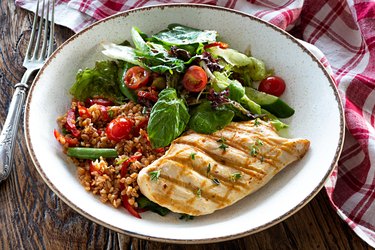
In the "Liver Cleansing Diet" by Cabot, she recommends reducing your intake of refined carbohydrates like bread, pasta and sugar; using only low-fat dairy foods, sparingly; avoiding fried and processed foods, margarines and artificial sweeteners; increasing the amount of raw fruits and vegetables and vegetables juices; drinking 2 liters of water each day; and using milk thistle supplements. The magazine U.S. News and World Report published an article on April 10, 2009, that recommended consuming a 1,400-calorie diet with vitamin E supplements, sticking to a low-glycemic diet and adding one glass of red wine per day. Cigna Health recommends the Therapeutic Lifestyle Changes diet from the National Cholesterol Education Program of the U.S. National Institutes of Health. It emphasizes reducing saturated fats in your diet by limiting the amount of meat and milk products and replacing them with monounsaturated or polyunsaturated fats from plant sources.

References

Article reviewed by Kirk Ericson Last updated on: Nov 14, 2010

Must see: Photo Galleries

Member Comments