
Your nutritional needs change as you age, especially around menopause. While the best way to get your vitamins is from whole foods, dietary supplements can help you ensure you're meeting your needs. A good multivitamin can fill nutritional gaps and protect your overall health.
Here's a look at recommended multivitamins for people 50 and older going through or who have gone through menopause.
Video of the Day
Video of the Day
A Quick Note on Language
While we typically use more inclusive language, most supplement makers market their options toward either women or men, so we've used those terms here. Nutritional needs are usually calculated based on body size, activity level and age — hormones only affect recommendations for certain nutrients. Talk to your doctor about the best supplements for you, especially if you are undergoing hormone therapy as part of gender-affirming care.
How We Chose
The FDA doesn't approve a supplement's safety and efficacy before a product goes on the market, which can make shopping for quality supplements confusing. However, the FDA does establish Current Good Manufacturing Practices (CGMPs) for supplements, which sets standards for things like preparation and storage.
We spoke to registered dietitians and included quality products that adhere to CGMP or have verification from independent quality control organizations, such as:
Our Picks
- Best for Overall Health: Bayer One A Day Women’s 50+ ($11.48, Amazon)
- Best for Magnesium: Thorne Women's Multi 50+ ($48, Amazon)
- Best Gummy: SmartyPants Women's Masters 50+ Multivitamin ($17.99, Amazon)
- Best Without Iron: Centrum Silver Adults 50+ Multivitamin ($10.47, Amazon)
- Best With Probiotics: Garden of Life Vitamin Code50 & Wiser Women ($60.89, Amazon)
- Best Budget-Friendly: 21st Century Sentry Senior Women 50+ ($7.99, Amazon)
1. Best for Overall Health: One A Day Women's 50+
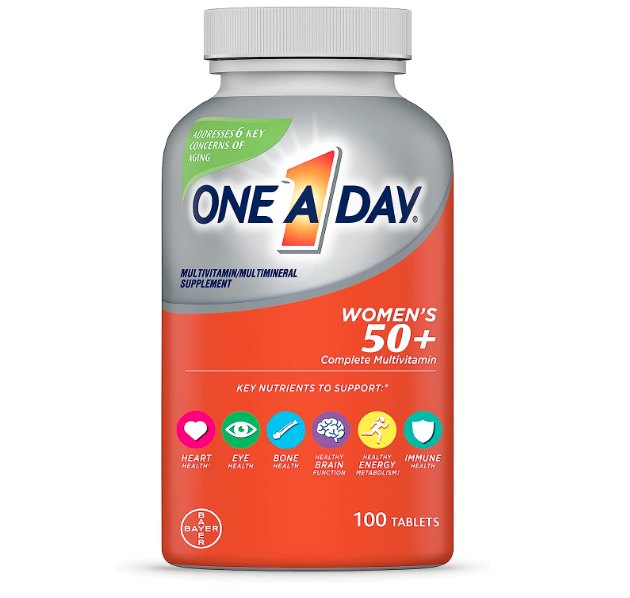
One A Day Women’s 50+ Multivitamin
This daily supplement is recommended by ConsumerLab.
Bayer One A Day Women's 50+ is a top pick from a February 2023 report from ConsumerLab, an organization that independently tests health and nutrition products.
The report notes that this multi includes 1,000 IU of vitamin D, but only a small amount of magnesium. That's common, says Elizabeth Ward, RD, co-author of The Menopause Diet Plan: A Natural Guide to Managing Hormones, Health, and Happiness. "It's unlikely to find large amounts [of magnesium] in multivitamins, so you may need a single supplement of this." (Keep scrolling for more on why magnesium is so important.)
Another benefit to this vitamin: As the name indicates, you'll only need to take it once a day, which can be convenient.
2. Best for Magnesium: Thorne Women's Multi 50+
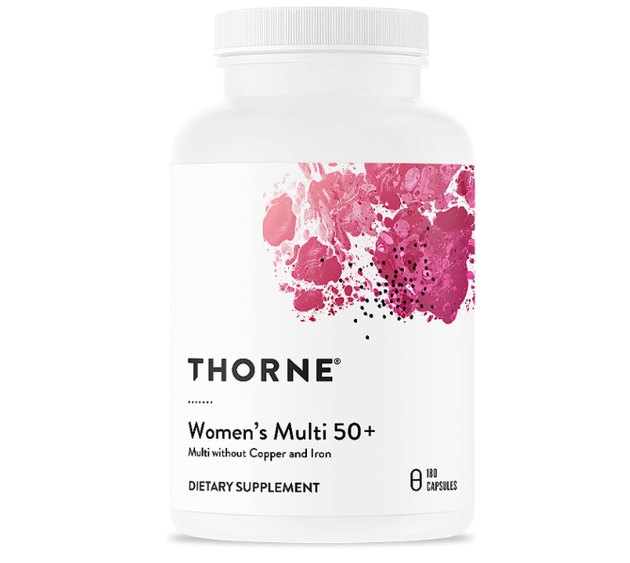
Thorne Women's Multi 50+
This multivitamin does not include iron (which is usually unnecessary post-menopause) but does contain both magnesium and calcium.
Thorne's Women's Multi 50+ contains more magnesium than some other brands of multivitamins (although with 180 milligrams, it still doesn't contain an entire day's worth of the nutrient).
This pick is also full of vitamin B12, which Tina Marinaccio, RD, CPT, recommends. With age, absorbing this vitamin can be more difficult. Plus, "B12 protects against irreversible nerve damage called neuropathy," she says.
3. Best Gummy: SmartyPants Women's Masters 50+ Multivitamin
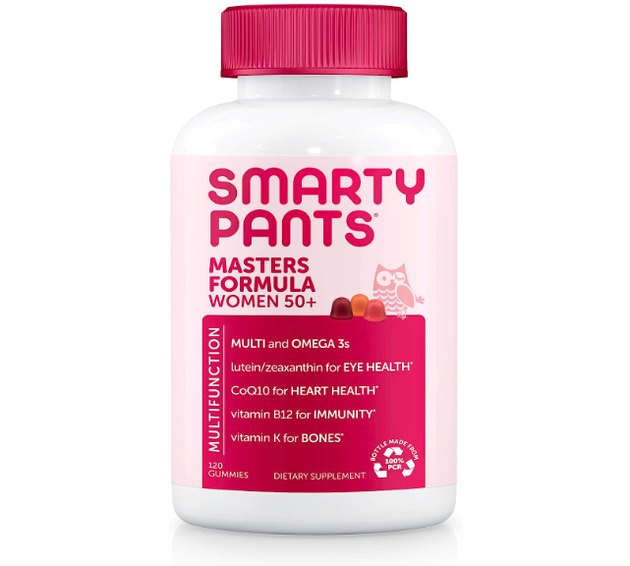
SmartyPants Masters Formula Women 50+
Experts often recommend against taking gummy vitamins, but this brand is an exception.
In general, gummy multis are best avoided, Ward says. "They tend to have ingredients such as gelatin, sweeteners and cornstarch." Plus, liquid and gummy vitamins often don't supply the amount of a nutrient listed on the label because they are harder to control through the manufacturing process, per the ConsumerLab report.
But for anyone who struggles to swallow pills (especially multivitamins, which are often larger), a gummy is appealing. If that sounds like you, the SmartyPants Women's Masters 50+ Multivitamin might be a good fit. This brand "seems to have figured out how to do it right," when it comes to gummy formulation, per ConsumerLab.
This supplement contains many important nutrients, including beta-carotene, vitamins K, B6, B12 and D3. Just note that sugar is the first ingredient on the list, and one serving (four gummies) contains 12 percent of your daily recommended intake of sugar.
4. Best Iron-Free: Centrum Silver Adults 50+
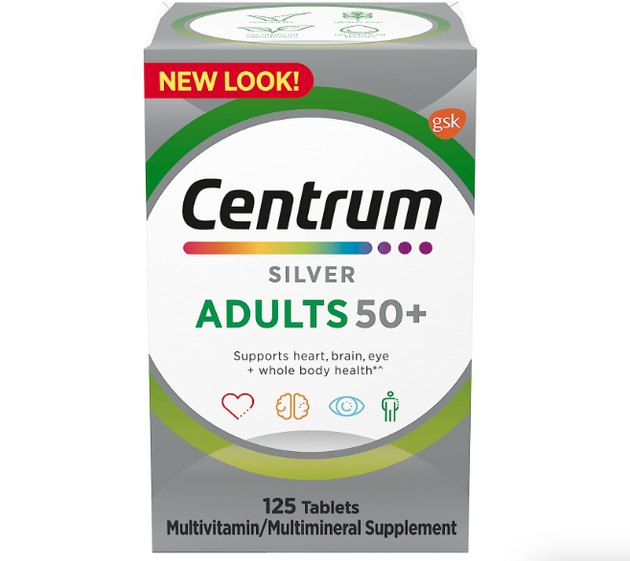
Centrum Silver Adults 50+
This multi comes from a trusted brand and doesn't include any iron.
"I take Centrum Silver because I trust it and because it [has no iron](https://www.centrum.com/content/dam/cf-consumer-healthcare/bp-wellness-centrum/en_US/pdf/lbl-00000775-web-ready-centrum-silver-adults-tablets-(versio.pdf)," Ward says. After menopause, supplementing with iron is no longer necessary unless your doctor indicates otherwise, she says.
Prior to menopause, iron is more essential because "nearly all iron is lost from the body in your monthly period," Ward says.
This supplement has some calcium and plenty of vitamin D.
5. Best With Probiotics: Garden of Life Vitamin Code 50 & Wiser Women
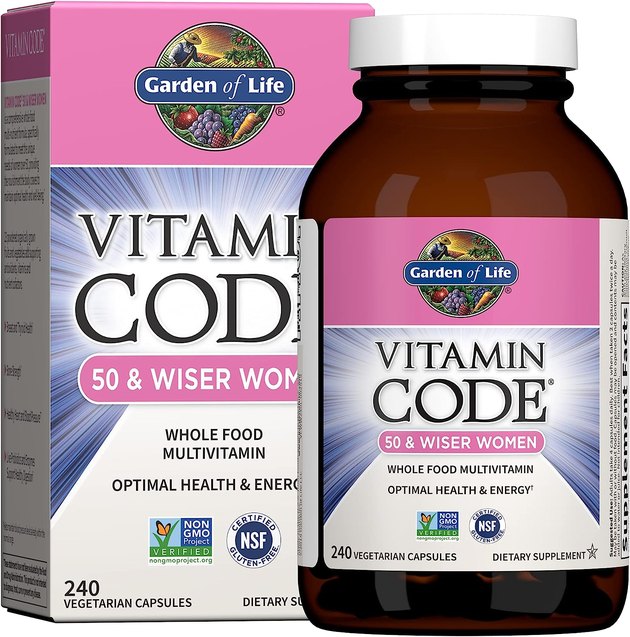
Garden of Life Vitamin Code 50 & Wiser Women
This multivitamin checks many boxes with plenty of B, D and K vitamins, plus the addition of gut-healthy probiotics.
If you're looking for a multi that's also good for your gut, consider this pick from Garden of Life, which contains probiotics. Like other Garden of Life supplements, this multi is made from whole foods and free from artificial sweeteners, flavors and colors — and it's NSF-certified.
It contains vitamins A, B complex, C, D, E, K and K2.
6. Best Budget-Friendly: 21st Century Sentry Senior Women 50+ Tablets
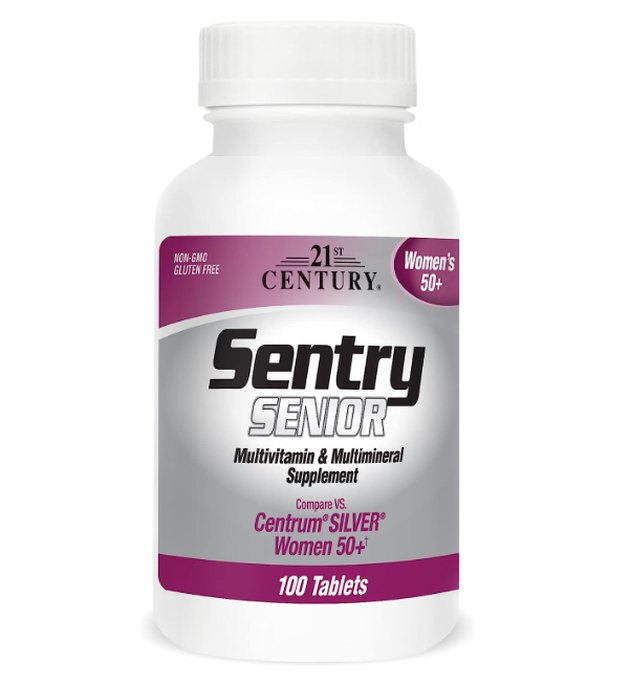
21st Century Sentry Senior Multivitamin
This less expensive formula is similar to the makeup of many of the pricier multis above.
Because you take multivitamins daily, a pricey option can add up. These 21st Century Sentry Senior tablets clocks in at less than a dime a pill (prices may vary from one retailer to another). But the wallet-friendly price doesn't mean this supplement skimps on nutrients.
This ConsumerLab-approved multi contains vitamins A, C, E and K, as well as magnesium and calcium. Be aware that it does also contain iron, which as noted, may not be needed post-menopause.
Is a Multivitamin Right for You?
While there are many recommended vitamins for women over 50, the research on true multivitamins — aka one pill that contains the levels of many different vitamins and minerals you need daily — is limited, according to Harvard Health Publishing. There's little evidence of any associated harms, but no concrete proof they help, either.
The best thing you can do is talk to your doctor. They may recommend supplementing with a single nutrient you're low in or suggest ways you can compensate with changes to your diet before resorting to pills.
Why People Over 50 Have Different Nutrient Needs
1. Changing Hormones
You have different nutritional needs in your 50s than in your 20s or early 30s because your body changes during and after menopause. Estrogen levels go down, which may lead to a greater risk of osteoporosis and fractures, per May 2018 research in Osteoporosis International.
Older people with ovaries may therefore have bone loss, irregular heartbeat, night sweats, fatigue, poor sleep and other common symptoms of menopause, per the North American Menopause Society. Making sure to get enough of certain vitamins and minerals may help.
2. Muscle Loss
Muscle mass also decreases with age, per the Mayo Clinic. Muscle loss slows the metabolism, which can contribute to weight gain. Over time, these changes can increase the risk for heart disease, the primary cause of death in postmenopausal people, according to the Mayo Clinic.
A balanced diet with plenty of the right vitamins and nutrients along with regular exercise are crucial for helping prevent these issues.
What Women Over 50 Should Look for in a Multivitamin
There are a dizzying array of options available when it comes to multivitamins. As well as selecting a supplement that meets your nutritional needs, keep these considerations in mind:
- Brand and certification: Opt for a reputable brand, Ward says. Look for a third-party certification — from organizations such as Consumer Lab, NSF and the U.S. Pharmacopeial Convention, Marinaccio says.
- Ingredients: This is especially key if you have allergies to soy, corn or wheat, Marinaccio says.
- Expiration date: "Pick products with the longest shelf life to get the most for your money," Ward recommends.
Certain nutrients are particularly important at this point in your life. You'll want to make sure your multivitamin has the following recommended vitamins.
Magnesium
Magnesium deficiency can affect bone health and may be connected to osteoporosis, metabolic syndrome, colon cancer, diabetes, heart disease and sudden cardiac death, per March 2012 research in Nutrition Reviews.
Magnesium supplements were linked to physical performance and muscle function in older women in a July 2014 study in The American Journal of Clinical Nutrition. The daily recommended amount of magnesium for women 51 and older is 320 milligrams, per the National Institutes of Health (NIH). Ideally, choose a multi containing magnesium citrate, lactate, aspartate or chloride. as these forms are more easily absorbed. Beware that zinc may interfere with this mineral when taken in large doses, per the NIH.
Vitamin C
Look for a multivitamin that provides vitamin C. The daily recommended dose is 75 milligrams, but up to 2,000 milligrams a day may be considered safe, per the NIH.
When taken in high-enough doses, this nutrient may increase bone mineral density in postmenopausal people, according to an April 2015 review in Osteoporosis International.
Calcium and Vitamin D
Vitamin D supplements are linked to a lower risk of falls and fractures, per a November 2014 paper in Women's Health. Low levels of this nutrient may worsen osteoporosis symptoms.
Calcium is essential for menopausal people. "Calcium absorption decreases after menopause, and your body needs more to help support bone health," Ward says.
It helps increase bone density, reduces bone loss and may protect against fractures, according to the same research. It works best when combined with vitamin D.
Choose a daily multivitamin that provides good doses of these two nutrients. The daily recommended allowance of calcium for women ages 51 and up is 1,200 milligrams, while the daily recommended amount of vitamin D is 600 International Units (IU), or 15 micrograms, per the NIH.
Tip
Supplemental calcium absorption is highest in doses below 500 milligrams, according to the NIH. In other words, the more calcium you take at once, the less will be absorbed into your body.
Vitamin B12
Vitamin B12 helps your body make DNA and red blood cells, and it supports brain function, per the NIH. The risk for a vitamin B12 deficiency goes up as we age because we don't absorb the vitamin as well over time.
B12 can be found in animal foods, including fish, meat, milk, chicken and eggs. While it doesn't occur naturally in plant-based foods, some foods, like cereal, may be fortified with it.
The recommended dietary allowance (RDA) of vitamin B12 is 2.4 micrograms daily for girls and women 14 and older, according to the NIH. Older adults can meet these recommendations by eating fortified foods or turning to supplements.
- NCBI: "Vitamin and Mineral Supplements: Do We Really Need Them?"
- Harvard.edu: "Do Multivitamins Make You Healthier?"
- Osteoporosis International: "Estrogen Therapy for Osteoporosis in the Modern Era"
- The North American Menopause Society: "Changes in Hormone Levels"
- Menopause Review: "Obesity in Menopause – Our Negligence or an Unfortunate Inevitability?"
- Harvard.edu: "Abdominal Fat and What to Do About It"
- Mayo Clinic: "Menopause Weight Gain: Stop the Middle Age Spread"
- Mayo Clinic: "Weight Gain in Women at Midlife: Unique Issues in Management and the Role of Menopausal Hormone Therapy"
- Women's Health: "Nutrition and Bone Health in Women After the Menopause"
- NIH: "Calcium"
- NIH: "Vitamin D"
- NIH.gov: "Sources of Calcium"
- Nutrients: "Magnesium and Osteoporosis: Current State of Knowledge and Future Research Directions"
- Nutrition Reviews: "Suboptimal Magnesium Status in the United States: Are the Health Consequences Underestimated?"
- The American Journal of Clinical Nutrition: "Effect of Oral Magnesium Supplementation on Physical Performance in Healthy Elderly Women Involved in a Weekly Exercise Program: A Randomized Controlled Trial"
- NIH: "Vitamin C"
- Osteoporosis International: "Favorable Effect of Dietary Vitamin C on Bone Mineral Density in Postmenopausal Women (Knhanes Iv, 2009): Discrepancies Regarding Skeletal Sites, Age, and Vitamin D Status"
- British Journal of Cancer: "Vitamin C Intake and Breast Cancer Mortality in a Cohort of Swedish Women"
- The Journal of Applied Research: "Supplementation Effects of Vitamin C and Vitamin E on Oxidative Stress in Post Menopausal Diabetic Women"
- NIH: "Magnesium"
- National Institutes of Health: "Vitamin B12"
- NYU Langone Health: "Lifestyle Changes for Menopause"
- American College of Obstetricians and Gynecologist: "Performance Enhancing Anabolic Steroid Abuse in Women"
- ConsumerLab: "Multivitamin and Multimineral Supplements Review"