










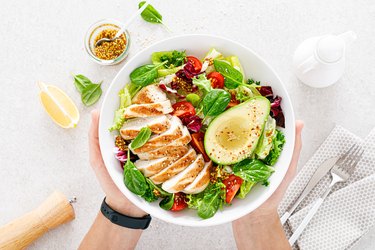













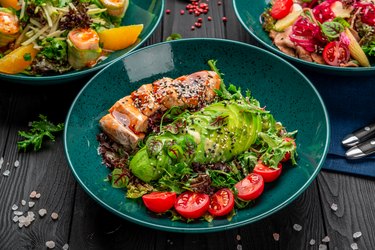


































The National Institutes of Health (NIH) reports that potassium is essential for maintaining proper electrical impulses between cells, as well as for the building and functioning of muscles, and the metabolism of carbohydrates. It is both a mineral and an electrolyte. Some factors that can affect the levels of potassium in the body are dehydration or medications, such as water pills. Eating a diet that contains potassium-rich foods can help insure your potassium levels remain adequate.
Meats
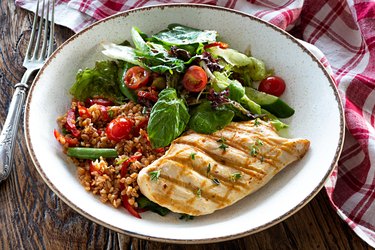
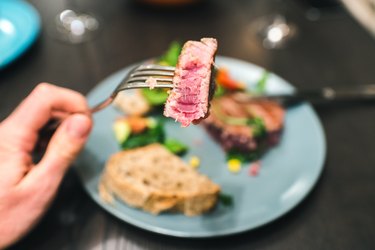
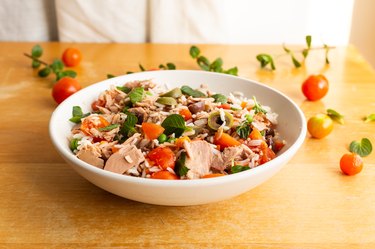
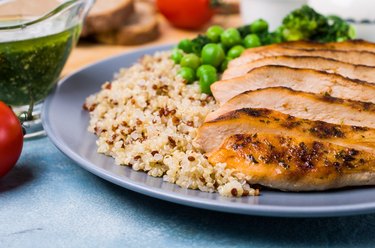
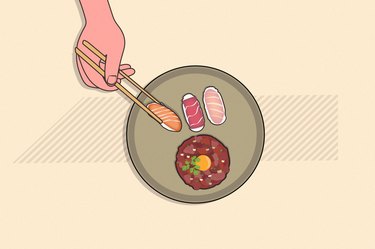
Meats are excellent sources of potassium. Some of the best choices, according to the U.S. Department of Health and Human Services, are canned clams, cooked halibut, yellowfin tuna, Pacific rockfish, cod, rainbow trout and pork. The recommended daily intake (RDI) for potassium is 4,700 milligrams (mg); and a 3 oz serving of canned clams offers 534 mg, which is more than 10 percent of the RDI. The other meats listed also contain roughly 10 percent of the RDI in a 3 oz serving. Beef and chicken also contain potassium, but in considerably smaller amounts.
Vegetables
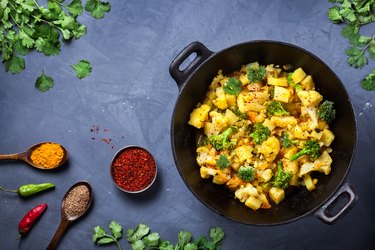
There are many vegetables that are loaded with potassium. One of the best sources is a baked sweet potato, which contains 694 mg. White potatoes are also a good choice, but the NIH states that the highest concentration of potassium is in the skin, so it is important to leave the skin on to reap any potassium benefits.
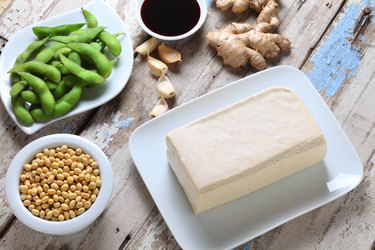
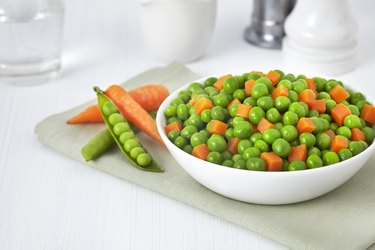
Other rich vegetable sources---all containing more than 10 percent of the RDI per serving---are white beans, winter squash, lima beans and tomatoes. Leafy green vegetables also contain high amounts of potassium. In fact, a 1/2 cup serving of beet greens contains 655 mg. Spinach, swiss chard and kale are also excellent choices.
Fruits
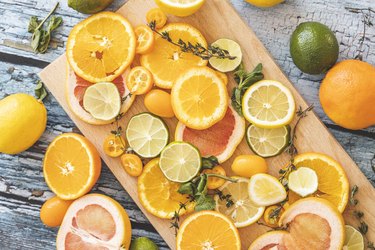
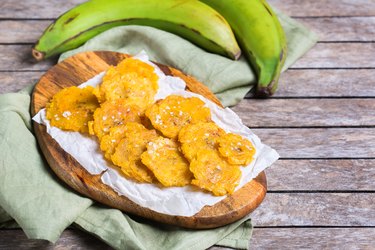
Several sweet, delicious fruits are also rich sources of potassium. The one most commonly associated with high potassium content is a banana, with one medium banana containing 422 mg. It is one of the highest amounts in a fresh fruit, but a 3/4 cup serving of prune juice contains 530 mg of potassium, making it an even better selection. Other smart fruit choices for boosting potassium levels are peaches, prunes, apricots, honeydew, cantaloupe, oranges and orange juice. All are rich sources, containing between 8 and 10 percent of the RDI.
Dairy
Potassium-rich foods can also be found in the dairy section of your supermarket. One of the richest sources is an 8 oz serving of plain, non-fat yogurt, which contains 579 mg of potassium; and an 8 oz serving of plain, low-fat yogurt contains 531 mg, which is more than 10 percent of the RDI. Milk in the form of buttermilk, whole, non-fat, 1 percent and 2 percent also contain potassium, although to a lesser extent.


Member Comments