
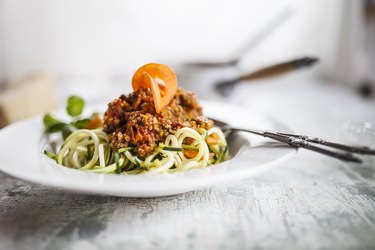

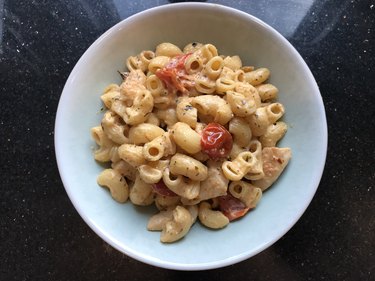





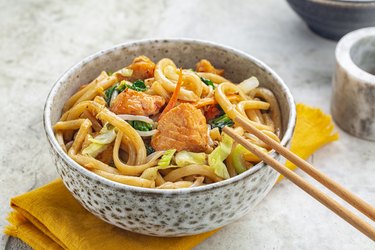
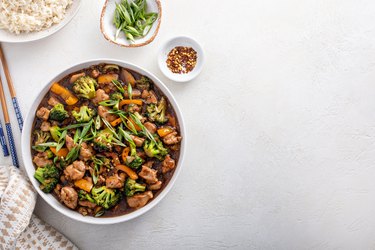

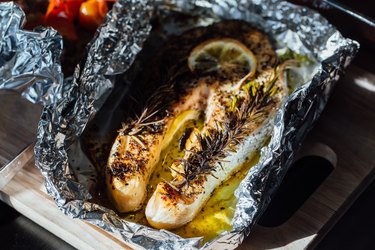

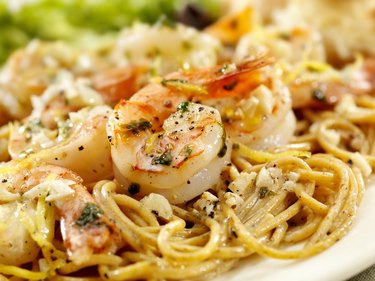
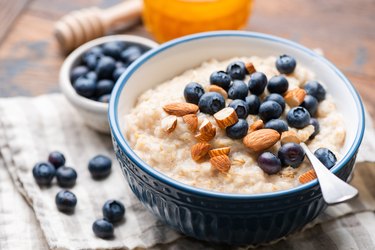

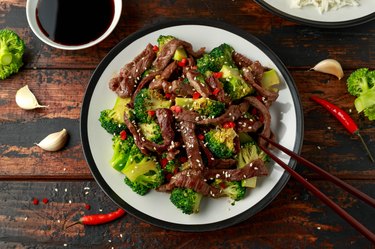





















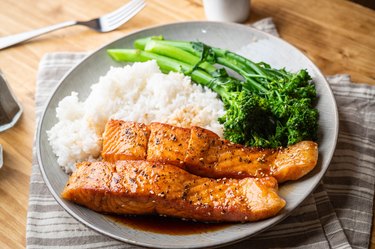
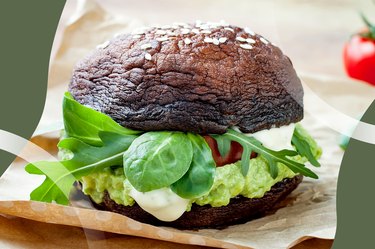




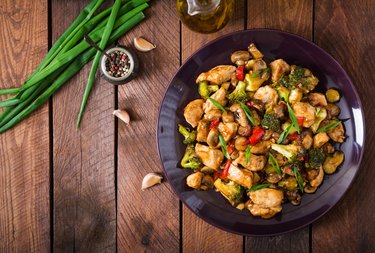






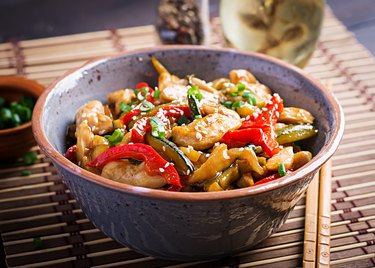







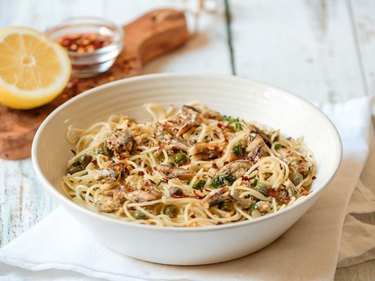
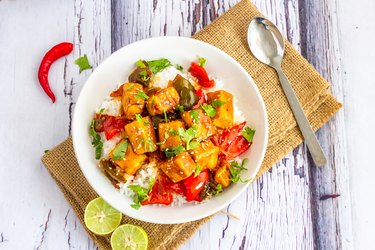



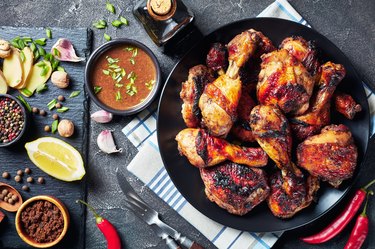
Healthy eating doesn't have to mean sacrificing taste. On our healthy main dishes page, we offer a wide selection of delicious recipes with options for various dietary needs and preferences.
Our team of dietitians and chefs provides recipes that are designed to be easy to make, using simple, accessible ingredients. We also offer tips on how to swap ingredients to make recipes fit your dietary needs or tastes.
Our healthy main dishes page is perfect for anyone looking to improve their eating habits. We offer recipes that are filling, satisfying and nourishing, without breaking the bank.