











































List of Potassium-Rich Foods

List of Potassium-Rich Foods
Photo Credit Jupiterimages/Creatas/Getty Images

Potassium is a necessary mineral that plays a role in metabolism, heart activity, normal body growth, nerve function and muscle tissue regulation. According to the USDA, the recommended dietary intake of potassium for an adult is 4.7 g per day. People with certain health conditions, like heart failure or kidney disease, or those taking certain medications, like diuretics, may need to eat more of or avoid potassium-rich foods.

Vegetables

According to the USDA, vegetables containing more than 200 mg of potassium per cup include collard greens, turnip greens, cabbage, winter or summer squash, okra, kale, broccoli, Brussels sprouts, carrots, cauliflower, sweet green pepper, sweet red pepper and scalloped potatoes prepared from a dry mix. Vegetables containing more than 500 mg of potassium per cup include spinach, sweet potatoes, mashed potatoes, rutabagas, kohlrabi, pumpkin, parsnips, tomato sauce and beets.

One cup of beet greens contains 1,309 mg of potassium, a baked potato contains 1,081 mg of potassium and one large cucumber contains 442 mg of potassium. One cup of tomato puree contains 1,098 mg of potassium and 1 cup of tomato paste contains 2,657 mg of potassium.

Fruits

According to the USDA, fruits containing more than 200 mg of potassium per cup include strawberries, peaches, honeydew melon, papaya, blackberries, red or green grapes, mangos and tomatoes. Fruits containing more than 400 mg per cup include bananas, oranges, cantaloupe and plantains. A medium kiwi contains 237 mg of potassium and one nectarine contains 273 mg of potassium. Dried potassium-rich fruits include raisins, prunes, apricots, figs and dates.

Beans

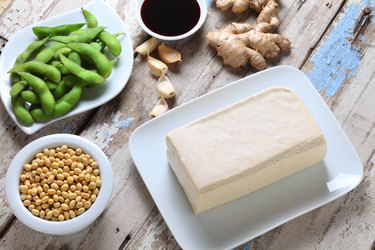
According to the USDA, beans containing more than 300 mg per 1-cup serving include yellow beans and chickpeas. Beans containing more than 500 mg per 1-cup serving include baked beans, large lima beans, great northern beans, kidney beans, blackeye peas and black beans. Beans containing more than 700 mg per 1-cup serving include split peas, soybeans, lentils, navy beans, baby lima beans and pinto beans. One cup of white beans contains 1,189 mg of potassium.

Meat

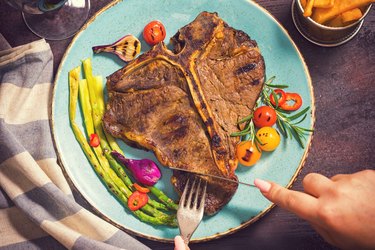
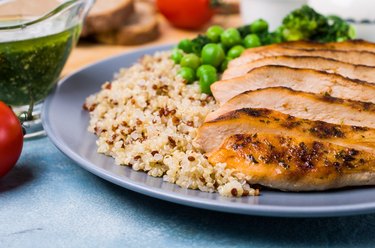
According to the USDA, meats containing more than 200 mg of potassium per 3-oz. serving include beef, chicken, pork, duck, lamb, cod, flounder, haddock, halibut, rockfish, sockeye salmon, canned pink salmon, tuna, swordfish, trout, lobster, clams, crab and turkey.

Dairy

According to the USDA, dairy products containing more than 200 mg of potassium per serving include yogurt, low-fat cottage cheese, ricotta cheese, low-fat buttermilk and eggnog. Skim, 1 percent, 2 percent and whole fat milk are rich in potassium as well as low-fat, reduced fat and whole fat chocolate milk. One cup of sweetened condensed milk contains 1,135 mg of potassium.

Juices

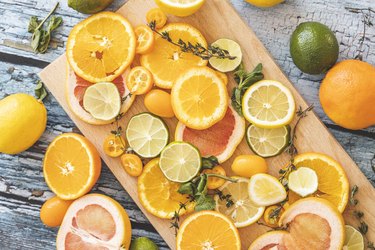
According to the USDA, juices containing more than 200 mg of potassium per cup include orange, apple, grapefruit, vegetable, tangerine, canned grape, canned pineapple and apricot. Juices containing more than 500 mg of potassium per cup include tomato, prune and carrot.

Fast Food

According to the USDA, fast foods containing more than 200 mg of potassium per serving include a small order of french fries, single patty cheeseburger or hamburger, an egg and sausage biscuit, a bean and cheese burrito, chicken sandwich, fried clams, roast beef sandwich, cold cut submarine sandwich, hot fudge sundae, 1 oz. of salted or reduced-fat potato chips and a small taco. Fast foods containing more than 500 mg of potassium per serving include a medium or large order of french fries, 16 fluid oz. vanilla or chocolate milk shake and a beef chimichanga.

References

Article reviewed by Amy Raymond Last updated on: Mar 28, 2011

Must see: Photo Galleries

Member Comments