













Facts on Ephedra

1. 5,000 Years of Chinese Medicine

The most well known form of ephedra is a type of stimulant derived from the plant ephedra sinica and has been used in Chinese medicine for more than 5,000 years for treating colds, asthma, hay fever and more. Known as ma huang in Chinese, this natural stimulant increases heart rate, stimulates brain activity, constricts blood vessels and opens the bronchial tubes.

2. One Bad Rap

Ephedra has been promoted both in the form of diet pills and dietary supplements to increase metabolism, reduce body fat and increase athletic performance; however, it is found to have a number of serious side effects, including high blood pressure, insomnia, cardiac arrest and even death. Due to the large number of alarming side effects, the FDA officially banned the sales of ephedra sinica in the United States.

3. Get to Know Your Ephedra

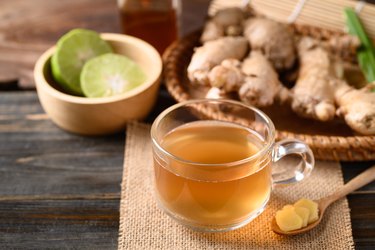
There are over 32 known species of ephedra plants, all with varying degrees of stimulant effects. While ephedra sinica has been officially banned from the market in the United States since 1997, many other forms of ephedra can still be found, both in tea and dietary supplement forms. While the effects of other forms of ephedra may not be as strong as ephedra sinica, it does not mean that some of the same risks are not involved, and like any form of diet pills, should be taken with caution and under doctor supervision.

4. Weight Loss With a Hefty Cost

Possibly the most common use for ephedra is weight loss, as it is a natural thermogenic which increases metabolism and aids in burning fat, causing body temperature to rise. After taking a look at the amazing weight loss results that can be achieved with the use of ephedra, it may be tempting to go out and buy a bottle; however, you must consider the risk factors. Ephedra is extremely dangerous and dosage is difficult to determine. Additionally, there is no evidence that weight loss due to the use of ephedra is long-term, meaning you are putting your health at risk for only short-term results.

5. The Wide World of Sports

While the use of ephedra is banned for professional athletes, many fierce athletes and competitors continue to take the risk. Because ephedra is a stimulate, it is thought to increase endurance; however, the stress on the body caused by hard physical activity along with the effect of ephedra is a recipe for disaster. Steve Bechler, former pitcher for the Baltimore Orioles, died in 1993 after longtime use and is just one example of an ephedra fatality.

Last updated on: Nov 18, 2009

Must see: Photo Galleries

Member Comments