
















































The build-up of fat in liver tissues is termed fatty liver. Risk factors include obesity, high cholesterol, diabetes and chronic alcohol abuse. You may not feel unwell or have any symptoms, but unchecked, fatty liver can develop into a chronic disease that may lead to cirrhosis and liver failure. A healthy diet, exercise, weight loss when appropriate and the avoidance of alcohol are recommended to help treat this condition. Careful monitoring, as part of regular visits to a health care professional, is essential for the prevention of complications.
Foods Rich in Omega 3 Fatty Acids
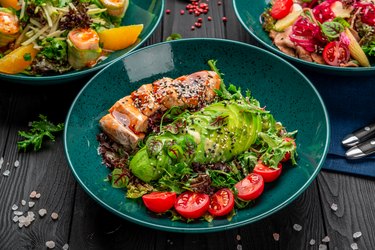
Some fats are good for you. A typical Western diet is high in omega-6 saturated fats from animal sources, and trans fats found in hydrogenated oils. These fats raise the levels of low density lipoproteins, or bad cholesterol, in the blood. Trans fats also decrease high density lipoproteins, or good cholesterol. Omega-3 fatty acids are healthy fats, which can lower bad cholesterol and raise the levels of good cholesterol. At the University of Kansas School of Medicine, D.G. Buchandani and colleagues researched treatment of fatty liver disease with omega-3 fatty acids. The researchers fed rats a diet that would induce fatty liver but treated some of the rats with omega-3 fats. After 75 days, rats receiving the omega-3 fatty acid treatment had significantly less fat in their liver. The study was published in the October 2010 "European Journal of Gastroenterology and Hepatology." Foods rich in omega-3 fatty acids include walnuts, flax seeds, chia seeds, spirulina, purslane, salmon and other cold-water fatty fish.
Soy Foods
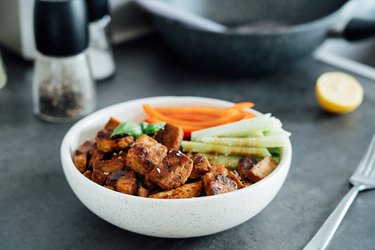
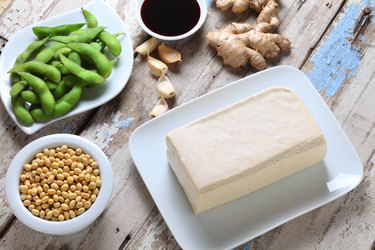
By replacing animal with vegetable sources of protein, you can avoid saturated fat without compromising nutrition. Soybeans provide complete protein, similar to milk and meat, containing all essential amino acids. Soy also contains genistein, an isoflavone that acts as an antioxidant that may protect liver cells. M.H. Kim and other researchers at Seoul National University in South Korea induced fatty liver disease in mice by feeding them a high fat diet. In mice that were also given genistein supplementation, the growth of fat cells in the liver was reduced. Soy foods rich in genistein include tofu, soymilk, tempeh and edamame. Genistein is also found in fava beans.
Foods Containing Soluble Fiber
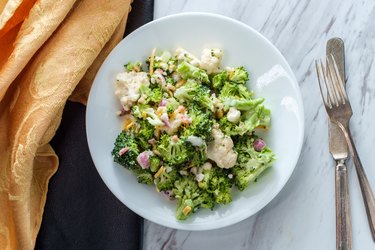
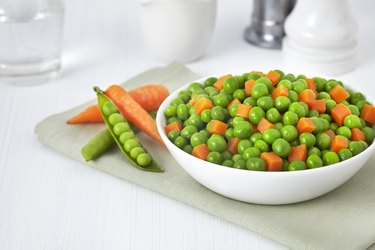
You may have seen oat cereals claiming they are proven to reduce cholesterol. This is because oats are a source of soluble fiber, a heart-healthy indigestible nutrient that holds moisture and feeds beneficial bacteria in the bowel. In a review of studies, Angela M. Zivkovic and colleagues from the University of California at Davis found evidence that link intake of soluble fiber with reduced fatty deposits in the liver. The study was published in August 2007 in "The American Journal of Clinical Nutrition." Besides oats, foods with soluble fiber include plums, prunes, peas, beans, berries, bananas, apples, pears, carrots, sweet potatoes, broccoli, onions and psyllium husks.
References
- Pub Med.gov: Treatment With Omega-3 Fatty Acids but Not Exendin-4 Improves Hepatic Steatosis
- Pub Med.gov: The Inhibitory Effect of Genistein on Hepatic Steatosis is Linked to Visceral Adipocyte Metabolism in Mice With Diet-Induced Non-Alcoholic Fatty Liver Disease
- "The American Journal of Clinical Nutrition," Comparative Review of Diets for the Metabolic Syndrome: Implications for Nonalcoholic Fatty Liver Disease, Zivkovic A., et. al., August 2007, 86(2)


