



































































Things to Do for a Healthy Prostate

Things to Do for a Healthy Prostate
Photo Credit Jupiterimages/Goodshoot/Getty Images

The walnut-size prostate gland, located around the neck of the bladder and urethra, secretes a fluid that is part of semen. Cancer can develop in the prostate, as can non-cancerous disorders, including prostatitis, an inflammation of the prostate, and benign prostatic hyperplasia, an enlargement of the prostate. BPH often interferes with urine flow. Other disorders include impotence and urinary incontinence. A healthy diet and lifestyle can help avoid prostate problems.

Antioxidants

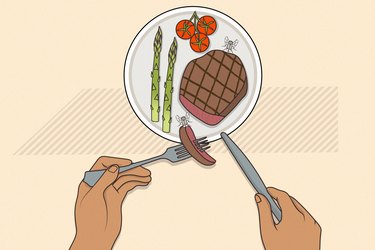
Evidence exists that a diet rich in fruits and vegetables has a preventive effect against many types of cancer, including prostate. This may be due to the many antioxidants found in fruits and vegetables. A diet rich in tomatoes, particularly cooked tomatoes, is connected to a lower risk of prostate cancer. This may be due to lycopene, an antioxidant that gives tomatoes their color, or it may be a result of the combination of nutrients found in tomatoes. However, the American Cancer Society advises it's better to eat a balanced diet that includes five or more servings of fruits and vegetables daily, rather than rely on one food. Eat whole grains, limit alcohol intake and choose fish or lean meat instead of processed and red meat.

Vitamin D and Calcium

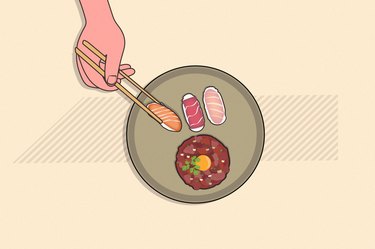
Studies indicate that vitamin D improves the outlook for some cancers, including prostate. The best source of vitamin D is exposure to sunshine for as little as 15 minutes a day. Food sources are limited, but include fatty fish, such as salmon, and eggs. Most milk is fortified with vitamin D, but the American Cancer Society advises to be cautious with calcium intake. The society cites studies that show a high calcium intake, especially through supplements, increases the risk of prostate cancer.

Exercise

The Harvard Medical School newsletter reports exercise is associated with a lower risk of BPH and erectile dysfunction, or ED. In a 2006 Swedish study, the most active men were 28 percent less likely to have substantial lower urinary tract problems. A Harvard study showed that regularly walking only 30 minutes daily resulted in a 41 percent reduction in the risk of ED. Another study done in 2004 indicated moderate exercise of only 28 minutes a day helped eliminated ED in obese, middle-aged men. Studies on exercise and prostate cancer have had mixed results.

Sexual Activity

Men who averaged more than 21 ejaculations a month over their lifetime had two-thirds the risk of prostate cancer than men who had only four to seven, according to a study reported in the James Buchanan Brady Urological Institute's newsletter, Discovery. The study involved nearly 30,000 men over an eight-year period. Since other research indicates men who have had a sexually transmitted disease are at increased risk of prostate cancer, most of the men chosen for the study had not had an STD. Exactly why frequent ejaculation seems to reduce risk is unclear, but at this point it appears that frequent safe sex or masturbation is not harmful and may be beneficial for prostate health.

References

Article reviewed by J.A. Rist Last updated on: Dec 3, 2010

Must see: Photo Galleries

Member Comments