



















































If you have been learning about antioxidants and their health benefits, you may be wondering about selenium and vitamin E. Even if you do not have severe deficiency, you may benefit from increasing your intake of these essential nutrients because of their role in heart health. However, a dietary supplement may be unnecessary, so get all the information possible before you consider increasing your consumption.
Vitamin E
The primary active form of vitamin E in your body is alpha-tocopherol, and the Linus Pauling Institute Micronutrient Information Center states that one of its primary roles is to function as an antioxidant. Antioxidants protect cells in the body from free radicals, which are dangerous molecules that your body may produce when you are exposed to environmental factors like tobacco smoke or pollutants. Free radicals may increase the risk for heart disease by oxidizing LDL cholesterol.
Selenium
Selenium is an essential mineral in enzymes called selenoproteins, and it influences the functions of other essential nutrients like zinc, iodine and copper. The Linus Pauling Institute Micronutrient Information Center states that various selenoproteins play roles in thyroid function, muscle function and immune responses. Some selenoproteins are healthy antioxidants, which means they help prevent dangerous reactive oxygen species from hurting the cells of your body. Other types of selenoproteins support antioxidant activity by regenerating potent forms of antioxidants, such as vitamin C and vitamin E.
Requirements
For healthy adults on a 2,000-calorie diet, the recommended daily allowance for vitamin E is 15 mg, but the Linus Pauling Institute Micronutrient Information Center states that the average American adult gets 8 to 10 mg. Severe deficiency leading to red blood cell damage is rare, but a higher intake may reduce your risk for heart disease or cataracts. The recommended daily allowance of selenium for healthy adults on a 2,000-calorie diet is 55 micrograms, and deficiency can weaken the immune system or increase the risk for heart disease.
Sources
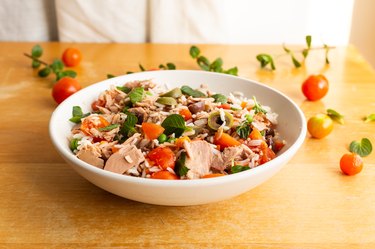
Vitamin E is a fat-soluble vitamin, and you can get it from sources of healthy unsaturated fats. The Linus Pauling Institute Micronutrient Center lists almonds, peanuts, avocados and olive, soybean, canola and sunflower oil as good sources, and vitamin E is also in carrots and spinach. Meat, poultry, milk and seafood are high in selenium and you can also get it from many plant foods, including grains and nuts. The selenium content of plant foods varies, depending on the soil in which it is grown.
Considerations
Vitamin E and selenium work together to improve antioxidant activity in your body, with the activity of the glutathione peroxidase selenoproteins, increasing the capacity of vitamin E to act as an antioxidant. It is important to get enough of both because an inadequate intake of one of these nutrients can increase your requirement for the other. Both nutrients are important, and you should consult your doctor if you think that you may not be getting adequate amounts for maximum benefits.


Member Comments