If you're taking warfarin-based blood thinners, there are a variety of foods, including herbs, that you may need to avoid. Although foods high in vitamin K are usually considered unsuitable for a warfarin diet, other nutrients and ingredients can also interact with this medication.
Video of the Day
Video of the Day
Following a Warfarin Diet
People who are at risk of blood clots often have to make a variety of changes to their diets, especially when they've been told to take certain medications, like blood thinners. If your doctor has prescribed a blood thinner like Coumadin, you'll need to follow a specific Coumadin diet.
Coumadin, is the brand name for warfarin, a drug that works as an anticoagulant. This means it essentially makes your blood less thick. This can increase your risk of bleeding, and requires specific dietary changes that make it safe for you and your cardiovascular health.
People are often told to avoid foods high in vitamin K, because this nutrient can affect the way warfarin works in your body. However, a good warfarin diet works best when you simply maintain your vitamin K levels at a healthy and stable level.
Any major dietary changes can alter the way your medication affects you. This means that you shouldn't suddenly stop eating all foods that contain vitamin K. Equally, you may need to avoid foods that can cause dramatic increases in your vitamin K levels.
Foods High in Vitamin K
You should not avoid vitamin K altogether, because this vitamin is still an essential nutrient. In addition to helping regulate blood clotting, vitamin K is important for bone health. The Mayo Clinic states that women should consume 90 micrograms of this nutrient per day, while men should consume around 120 micrograms.
According to the Mayo Clinic, National Institutes of Health and a February 2014 study in the Journal of Clinical Pharmacy and Therapeutics, foods rich in vitamin K include:
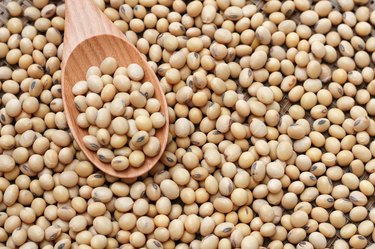
- Soybeans and soy products, including soy oil
- Leafy greens, like collard greens, turnip greens, spinach and kale
- Broccoli
- Carrot juice
- Pumpkin
- Pomegranate juice
- Okra
- Kale
- Spinach
- Brussels sprouts
- Collard greens
- Mustard greens
- Chard
- Asparagus
- Baby bok choy
- Sweet potato leaves
- Cabbage
- Basil
- Scallions
- Chinese celery
- Chayote (also known as mirliton squash)
Of course, some of these foods may be more likely to affect you compared to others. While you might easily consume a whole bowl of spinach or bok choy, chances are that your use of basil or scallions will be fairly minimal. Regardless, you should be aware of foods high in vitamin K so you don't accidentally consume excessive amounts.
In addition to these plant-based foods, the University of Iowa Hospitals and Clinics also specifically warns against consuming animal liver, especially beef liver, because it's also often rich in vitamin K.
Read more: The 14 Best Foods for Your Heart
Foods to Avoid on Coumadin
Certain foods may need to be completely eliminated if you're following a warfarin diet. For instance, the National Institutes of Health states that 3 ounces of natto has 1,062 percent of the daily value (DV) for vitamin K. Half a cup of collard greens has 662 percent of the DV, while turnip greens have 532 percent of the DV. Consumption of such vitamin K-rich foods may interfere with your blood thinning medications.
Spinach, generally considered rich in vitamin K, has 181 percent of the DV per cup when cooked, while the same amount of kale has 141 percent of the DV. Just half a cup of boiled broccoli has 138 percent of the DV for vitamin K.
The University of Iowa Hospitals and Clinics states that beet greens, dandelion greens and mustard greens are also foods high in vitamin K. A serving of these vegetables has between 400 and 800 micrograms per serving. Although all of these foods contain substantial amounts of vitamin K, consuming them in limited amounts can be part of a healthy diet.
You may also need to monitor your consumption of other nutrients while taking Coumadin. The National Institutes of Health explain that vitamin E supplements can antagonize vitamin K-dependent clotting factors. This means that it can increase your risk of bleeding and other side effects associated with taking blood thinners.
Fortunately, you shouldn't need to worry too much about your vitamin E consumption. Only large amounts consumed through supplements are likely to cause this problem.
Other Warfarin Foods to Avoid
Unfortunately, there are a variety of other foods that are considered to be unsuitable for a warfarin diet. A March 2014 study in the Journal of Evidence-Based Complementary and Alternative Medicine says there are a variety of commonly consumed plants that can cause serious issues if you're taking Coumadin or other warfarin-based blood thinners.
Foods likely to cause serious side effects include soya, ginger, ginseng, green tea and parsley. Cranberries, chamomile, cannabis (hemp), gingko, garlic, red clover and grapefruit all have the potential to seriously inhibit thrombosis (also known as coagulation), as do St. John's wort and lycium, which are both taken as herbal supplements.
These products can affect you in different ways. Some of them may interfere with platelet function, while others alter the production of vitamin K that occurs in your gut microbiome. These foods can also interfere with warfarin absorption and your body's ability to clot blood.
Consumption of some of these products might only affect you mildly, and this can be easily resolved by simply consuming less of the herb or food. However, the consumption of certain foods, specifically the ones with the potential to affect thrombosis, can result in major bleeding and may even cause death.
In addition to the foods already mentioned, an April 2012 study in the BMB Reports Journal and a January 2016 study in the Journal of Functional Foods also explained that nori and curcumin (found in turmeric) contain compounds that can affect coagulation. You should likely be cautious of consuming these foods in excess as well.
It's best to consult your doctor for help in creating the warfarin diet that works effectively for you.
- Journal of Evidence-Based Complementary and Alternative Medicine: "Updates on the Clinical Evidenced Herb-Warfarin Interactions"
- NIH: "Vitamin E Fact Sheet for Health Professionals"
- University of Iowa Hospitals and Clinics: "Warfarin, Your Diet, and Vitamin K Foods"
- NIH: "Vitamin K Fact Sheet for Health Professionals"
- Journal of Clinical Pharmacy and Therapeutics: "A Practical Approach to Minimize the Interaction of Dietary Vitamin K With Warfarin"
- Mayo Clinic: "Warfarin Diet: What Foods Should I Avoid?"
- Journal of Functional Foods: "A Novel Anticoagulant Peptide From the Nori Hydrolysate"
- BMB Reports: "Anticoagulant Activities of Curcumin and Its Derivative"