


















































What Are the Benefits of Food for a Fetus?

What Are the Benefits of Food for a Fetus?
Photo Credit Creatas Images/Creatas/Getty Images

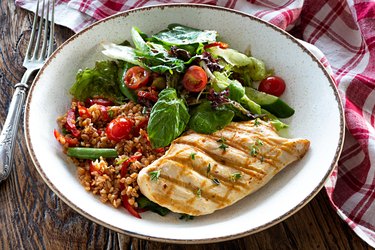
If you are pregnant or plan to become pregnant, learning what foods benefit your unborn child is important. A fetus receives all nourishment through the mother's placenta while he or she grows and develops in her womb for approximately 40 weeks. Maximize the benefits from foods during pregnancy, because you are now eating for two.

Prevention of Neural Tube Defects

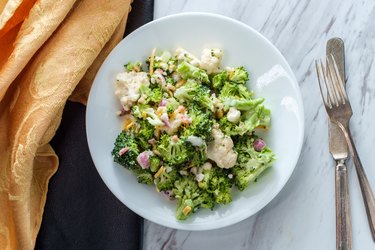
Foods containing folate help prevent against neural tube defects in the fetus, which could develop in early pregnancy. Women need 400 mcg of folate per day prior to pregnancy and 600 mcg per day during the first trimester of pregnancy, according to the American Academy of Pediatrics. Obtain folate in your diet by consuming spinach, orange juice, fortified breakfast cereal, lentils, broccoli, strawberries, rice, oatmeal and fortified pasta/bread.

Healthy Bones and Teeth

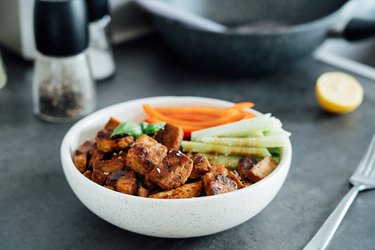
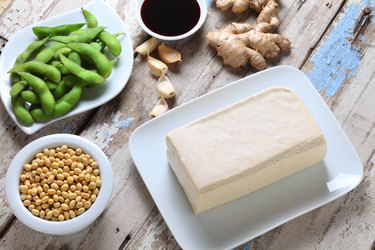
Foods containing calcium help the fetus develop healthy bones and, later in development, healthy teeth. You may obtain calcium by consuming milk, cheese, tofu, yogurt, broccoli, almonds, calcium-fortified orange juice and fortified soy milk. When making your selection, avoid soft cheeses and unpasteurized milk, as these foods may contain bacteria called listeria, which could cause a miscarriage, according to the American Pregnancy Association.

Healthy Nervous System

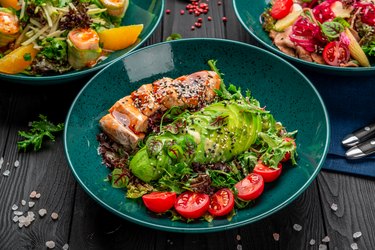
Fat is necessary for proper development of your fetus' brain and central nervous system. Fat also helps transport fat-soluble vitamins throughout your body. Aim for healthy fats in your diet with nuts, seeds, avocados, salmon, olive oil and canola oil.

Eye and Brain Development

Fatty acids docosahexaenoic acid, known as DHA, and arachidonic acid, or ARA, are healthy fats that aid in eye and brain development of the fetus, specifically during the last trimester of pregnancy. You can find DHA in fish, especially cold-water fish, and ARA can be found in eggs and other animal products. When choosing fish, avoid fish with high mercury content, as mercury during pregnancy can cause developmental delays and brain damage, according to the American Pregnancy Association. Also, ensure that your eggs are fully cooked to avoid potential exposure to salmonella.

Proper Growth of Fetus and Placenta

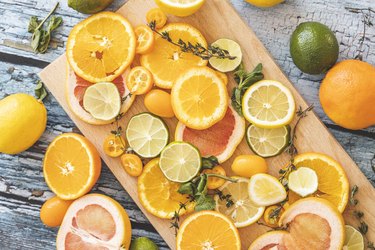
Iron is necessary for making hemoglobin, the protein that carries oxygen to your cells. While you are pregnant, your fetus needs enough oxygen to ensure proper growth for itself and the placenta. Enough iron will help make this possible. Pregnant women are encouraged to consume around 27 mg of iron per day from sources such as animal proteins, fortified foods and leafy green vegetables, according to the National Heart, Lung and Blood Institute. Ask your doctor how much iron you need. Iron absorption will be increased if consumed with foods rich in vitamin C, such as oranges, broccoli, sweet potato, kale and Brussels sprouts.

References

Article reviewed by Leah Ann Crussell Last updated on: Dec 9, 2010

Must see: Photo Galleries

Member Comments