The gallbladder is the organ in your body that stores and releases bile. Bile aids in the digestive process. Although a small organ, problems with your gallbladder can be painful. While there are no specific foods that will keep your gallbladder healthy and functioning, a healthy lifestyle and a diet rich in fruits and vegetables is recommended for gallbladder health.
Gallbladder Concerns
Video of the Day
The most common problem in relation to the gallbladder is the formation of gallstones. Women and Native Americans are predisposed to develop gallstones. Other conditions, such as obesity, high levels of cholesterol, low thyroid function and diabetes, can also lead to gallstones. These conditions can also be linked to poor diet. What you eat can play a role in the development of gallstones, but diet is not the only factor associated with gallbladder health.
Video of the Day
Gallbladder Friendly Foods
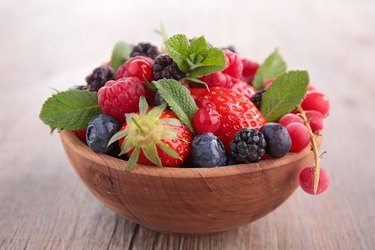
If you are concerned about your gallbladder, enrich your diet with fruits and vegetables. Eating a primarily plant-based diet will help feed your body the vitamins and nutrients it craves. Consuming more fruits and vegetables will also help crowd out less nutrient-dense foods from your diet. There is no one single fruit or vegetable that you should eat more of to maintain gallbladder health. Eat a wide variety of color and be sure to get your recommended servings: 2 cups of fruit and 2 ½ cups of vegetables, for the best gallbladder health.
Foods to Avoid
To maintain gallbladder health, adhere to the rules of heart health. Avoid eating foods that are high in cholesterol, saturated or trans fats. This means stay away from too much processed food and animal products such as red meat. The most common gallstone that can develop is one made up of cholesterol. If you limit the amount of cholesterol in your body, you will also reduce your risk for gallstones. When at the grocery store, look for raw and natural foods. Try to avoid anything that has been overly processed. Healthy changes like using olive oil for cooking and baking, instead of butter, will also help you reduce your cholesterol level.
Healthy Lifestyle
The best thing you can do for gallbladder health is to maintain a healthy lifestyle. Eating healthy, exercising and maintaining a healthy weight are all factors that can increase your overall health. Do not participate in any drastic fad diets, as losing weight rapidly can also lead to gallbladder problems. Consult your doctor if you are concerned that you may have a gallbladder issue. You doctor can further recommend treatment options.