


























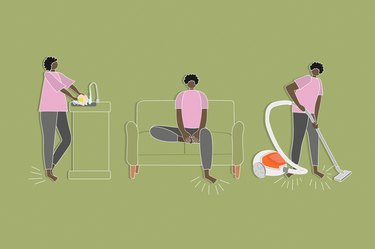
















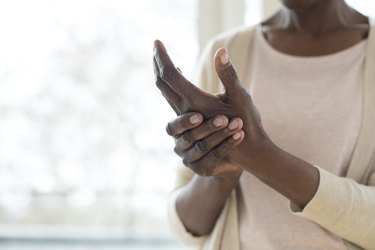









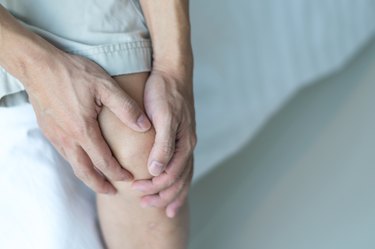








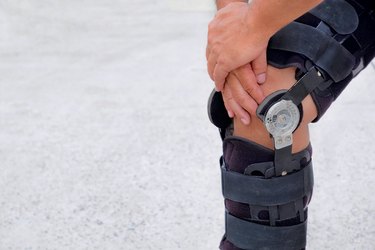


Exercise is important for just about everyone. Those who are now experiencing the residual muscle weakness and muscle atrophy of post-polio syndrome are no exception. The National Center on Physical Activity and Disability defines exercise as structured, planned and repetitive body movement. It differs from physical activity, which is not planned. It is important to find someone to coach you through an exercise plan, whether it is a physical therapist or your doctor.
Benefits of Exercise for Post-Polio Syndrome
Patients with post-polio syndrome may avoid exercise, which leads to wasting of their muscles and cardiovascular deconditioning. There are many benefits to exercising with post-polio syndrome. Exercise can improve your capacity for daily activity, increase your range of motion and improve your overall health. Exercise can also help increase your endurance, reduce pain and increase your strength.
Exercise Should Be Geared to Your Needs
An evaluation should be done by a health professional before beginning an exercise program. The professional you choose should be familiar with the specific needs of a post-polio patient. She can assess your needs and develop an appropriate exercise routine for you. The plan can be changed as needed and structured so you can continue the routine on your own. The program may include stretching, aerobic and muscle strengthening exercises.
Aerobic Exercise Benefits
A 2009 study reported in the journal Clinical Rehabilitation revealed the benefits of aerobic exercise for those with post-polio syndrome. The study concluded that aerobic exercise improved the quality of life for study participants. Fatigue levels improved for study participants as well. Aerobic exercise increases your blood flow and heart rate. It also helps to lower your blood pressure and improves your cholesterol levels.
Types of Aerobic Exercise
Walking, swimming and bicycling are all examples of aerobic exercise. Low impact exercise equipment such as stair climbing and elliptical machines are also good aerobic activities. The National Center on Physical Activity and Disability recommends swimming for post-polio patients. It minimizes the mechanical stress on your body. Choose an aerobic exercise you enjoy.
Precautions
Start your exercise program slowly. When exercising, takes rest breaks every few minutes. Post-Polio Health International states that exercise should be done within reasonable limits. Avoid muscle weakness and an excess of muscle or join pain. Exercise at a low to moderate intensity. Slow down if you can not carry on a conversation as you exercise.
Before and After Aerobic Exercise
Warm up before beginning any aerobic exercise. Get the blood moving in your body by doing leg lifts or arm circles. Walk slowly in place. Warm up for about five minutes. Do some gentle stretching to help prevent injury and improve your flexibility. After your aerobic exercise, do some light movements to decrease your heart rate. This will prevent a feeling of lightheadedness.
References
- The National Center on Physical Activity and Disability: Introduction to Reap the Rewards of Post-Polio Exercise
- Post-Polio Health International: A Statement About Exercise for Survivors of Polio
- Pubmed.gov: Short-Term Effects of Aerobic Exercise on Functional Capacity, Fatigue, and Quality of Life in Patients With Post-Polio Syndrome


Member Comments