






























































Colds, respiratory illnesses and allergies can cause postnasal drip, an annoying condition that allows mucus to drip down the back of your throat. Congestion in your sinuses and nasal passages can prevent mucus from exiting through your nose, or the condition can occur if an illness triggers excess mucus production. Postnasal drip can be particularly bothersome when you are sleeping, as bouts of coughing or choking may occur when mucus collects in your throat. Relieving nasal drip symptoms involves using a combination of medication and home remedies.
Step 1
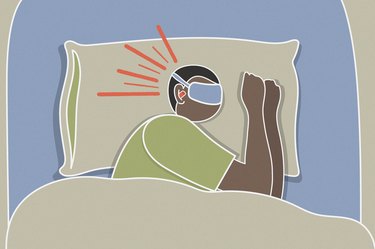
Use several pillows or place wood blocks under the head of your bed to elevate your head while you sleep. Keeping your head elevated reduces the amount of mucus that collects in your throat.
Step 2
Drink more fluids. Drinking fluids help thin mucus, making it easier to pass through your sinuses and nostrils. Stick to water and clear fluids and avoid beverages that contain caffeine or alcohol.
Step 3
Irrigate your sinuses with a saline and water solution to help thin and remove nasal secretions. Buy saline solution at a drugstore or use a neti pot, which is a small pitcher used to clean the nasal passages. Add 1/4 tsp. of salt to 1/2 cup of warm water and place it in the neti pot. Squirt or pour the saline solution into one nostril and then the other, and gently blow your nose.
Step 4
Take over-the-counter antihistamines, nasal steroid sprays or decongestants to reduce nasal congestion. The Cleveland Clinic warns against using these products for more than a few days, because continued use can become counterproductive and worsen congestion.
Step 5
Use allergy medication as prescribed, if your allergies cause postnasal drip. If the problem persists despite the medication, talk to your doctor about beginning allergy immunotherapy. During allergy immunotherapy, small amounts of allergens are injected into your body at regular intervals, causing your body to eventually stop reacting to the allergen.
Tips and Warnings
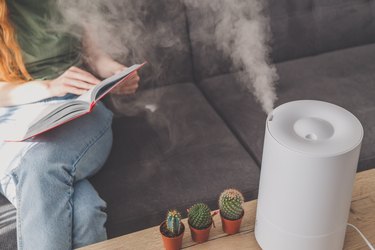
- If your nose feels uncomfortably dry when you have postnasal drip, use a saline solution several times a day to moisten irritated nasal passages. Buying a humidifier can help keep the air in your home moist and lessen your discomfort.
- See your doctor if postnasal drip doesn't go away after a cold. A viral cold that lasts for 10 days or more may have become a bacterial sinus infection, according to the American Academy of Otolaryngology-Head and Neck Surgery. If you have a bacterial sinus infection, your doctor will prescribe oral antibiotics to treat the infection.
Things You'll Need
- Pillows or wood blocks
- Saline solution
- Neti pot
- 1/4 tsp. salt
- 1/2 cup of water


