





























































Diet Plan for Psoriasis

Diet Plan for Psoriasis
Photo Credit Salmon Dinner image by JJAVA from Fotolia.com

Psoriasis is a disease that causes cells to accumulate on your skin, forming thick scales and red, itchy patches that may be painful. Though psoriasis is a chronic condition, you may experience periods of milder symptoms or remission. Cortisone creams and lifestyle habits, such as exercising regularly, exposing your skin to sunlight and eating a healthy diet, may help reduce your symptoms. For best results, seek personalized guidance from your doctor or dietitian before altering your diet.

Function

A healthy diet cannot cure psoriasis or prevent you from having it in the first place. Particular foods and nutrients may, however, minimize the severity or frequency of your symptoms, according to the University of Maryland Medical Center. An optimum diet also enhances your immune system function, energy levels and overall health. Since obesity increases your risk for psoriasis symptoms, your diet should also help you reach or remain at a healthy weight.

Helpful Foods

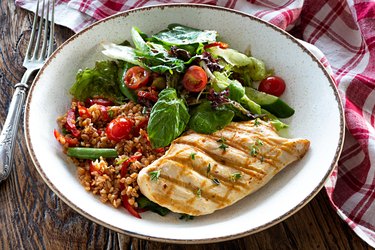
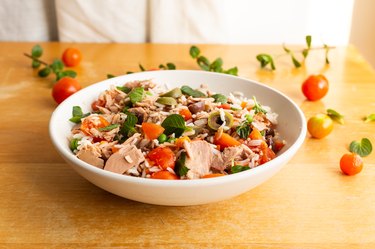
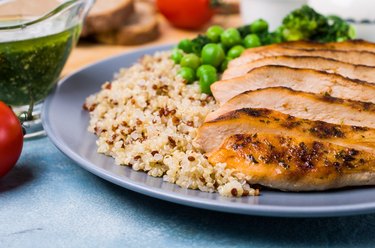
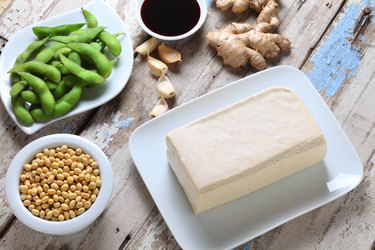
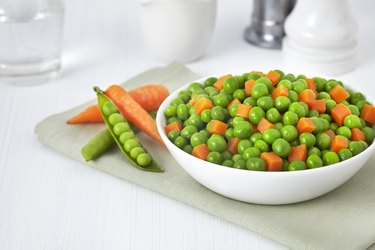
While you can consume almost any food in proper amounts, emphasizing certain foods may provide the most benefits. Omega-3 fatty acids, healthy fats found in fatty fish, such as salmon, tuna, halibut and sardines, may help alleviate inflammation associated with psoriasis, according to the Mayo Clinic. Additional healthy fat sources include nuts, seeds, olive oil, canola oil and avocados. Whole grains provide valuable carbohydrate sources, which support healthy energy levels, digestion and, since they enhance satiation, weight management. Your protein should stem from lean sources, such as skinless white-meat poultry, fish, egg whites, low-fat dairy products and legumes. Eating plentiful amounts of colorful fruits and vegetables regularly enhances your immune system and reduces your risk for infections and diseases that may exacerbate your symptoms.

Foods to Avoid

Refined carbohydrate sources, such as enriched breads, cereals and pasta; and foods high in added sugars, such as candy, pancake syrup and milk chocolate, provide calories, but fewer dietary benefits than whole grains, fruits and vegetables. For improved symptoms, the University of Maryland Medical Center suggests avoiding these foods and foods high in saturated fat, such as red meat, processed meats and high-fat dairy products. Alcohol may also worsen your symptoms.

Suggestions

If you're overweight, incorporating more low-calorie, nutrient-rich foods, such as fresh fruits and vegetables, into your diet, and cutting back on denser foods, such as fatty foods and sweets, can help you manage your weight without compromising your nutrient intake. Regular exercise is also important, both for weight management and immune system function. Foods allergies may contribute to psoriasis, according to the University of Maryland. For this reason, take note of any foods that seem to trigger or exacerbate your symptoms. If you're concerned about an allergy or intolerance, seek proper testing from your doctor. Common potential allergens include citrus fruits, dairy products, eggs and corn.

References

Article reviewed by MER Last updated on: Dec 19, 2010

Must see: Photo Galleries

Member Comments