




























































Perforated Eardrum From Scuba Diving

Perforated Eardrum From Scuba Diving
Photo Credit PhotoObjects.net/PhotoObjects.net/Getty Images

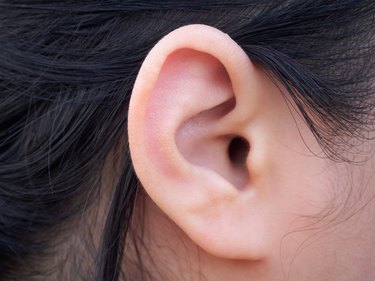
Your eardrum, also called the tympanic membrane, is a thick piece of tissue situated between the outer and middle ear canal. Your eardrum is responsible for reproducing sound waves through vibrations. The eardrum and its cavity in the ear help equalize pressure between the outer and inner ear canals. The tearing of the eardrum is called a perforation.

Causes

Rapid changes in pressure, such as rising in an airplane or diving under water, can injure or tear the eardrum. Barometric changes in pressure can rupture the eardrum, resulting in a small tear or hole. Equal atmospheric pressure on the outside and the inside of the eardrum allows the tissue of the eardrum to remain static or in place. A rapid rise in pressure against the eardrum from water pressure felt when SCUBA diving doesn't allow the pressure to equalize, causing a literal vacuum of pressure on the inside of the eardrum.

Water Pressure

Water pressure is more intense than air pressure. For example, diving 33 feet beneath the surface of water is equivalent to rising 80,000 feet in the air, according to otolaryngologist Mark Loury of Advanced Otolaryngology in Colorado.

Symptoms

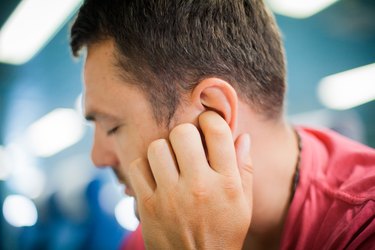
You may feel a sudden, sharp pain if your eardrum is ruptured or torn while SCUBA diving. You may experience a sensation of ringing in your ear and notice some decrease of hearing, much like your ear canal has been clogged with cotton or an earplug. Semicircular canals located in the ear control your sense of balance. A perforated eardrum may affect this equilibrium, resulting in dizziness or vertigo.

Treatment

In most cases, a perforated or ruptured eardrum will heal on its own within a few weeks. Intermittent ear pain and hearing loss is common. For holes or tears that don't heal on their own, your ear, nose and throat specialist may suggest an eardrum patch. For some, surgery may be necessary. Once you've torn your eardrum, you may be prone to repeated injuries of the eardrum. Talk to your doctor about SCUBA diving if you've experienced an eardrum rupture or chronic ear pain after an eardrum rupture.

Prevention

You can prevent a perforated eardrum while SCUBA diving if you descend slowly and allow the pressure in your ear to equalize. Plugging your nose, closing your mouth and blowing can help release pressure that builds up in the eustachian tubes, which connect your middle ear canal to your sinuses. This is called the Valsalva maneuver.

References

Article reviewed by Allen Cone Last updated on: May 26, 2011

Must see: Photo Galleries

Member Comments