
































































Turmeric & Ovarian Cancer

Turmeric & Ovarian Cancer
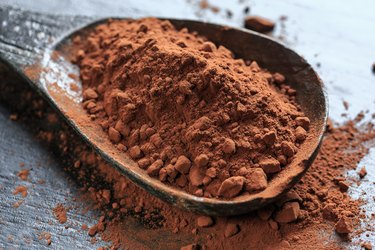
Photo Credit Turmeric in White Bowl: 3 image by Leena Damle from Fotolia.com

Ovarian cancer is the ninth most common cancer in women, affecting approximately 21,800 women in 2010, according to the American Cancer Society. Research for the latest cancer treatments is ongoing, with scientists looking at ways to improve existing drug treatment protocols as well as improve on current cancer treatments. Researchers are also looking at holistic remedies, such as turmeric, the main ingredient in Indian curry, to treat a number of cancers. Always consult with your oncologist before using turmeric or any other herbal supplement before use.

Turmeric

For over four centuries, herbalists and Chinese practitioners have used curcuma longa, or turmeric, to treat stomach ailments, infections, skin disorders, vision problems and many other illnesses. This relative of ginger grows in India and Southeast Asia and has a sharp, bitter taste. Turmeric has trumpet-shaped pale yellow flowers and contains a powerful antioxidant known as curcumin, which many researchers believe may help reduce inflammation, fight infections and help with digestive ailments. University of Maryland Medical Center says that scientists are conducting clinical trials to test turmeric as a treatment for atherosclerosis, stomach ulcers, osteoarthritis, vision problems, diabetes, viral and bacterial infections as well as many types of cancers.

Ovarian Cancer

Ovarian cancer occurs in the ovaries, which sit on each side of a woman's uterus and produce eggs as well as the hormones testosterone, progesterone and estrogen. Ovarian cancer will often go undetected by women until it has spread throughout the abdomen. At this late stage, it is often harder to treat and often fatal. It is not clear what triggers ovarian cancer, but cancer begins when a genetic mutation turns healthy cells into abnormal cells that grow and multiply out of control. Symptoms of ovarian cancer often include abdominal swelling, fullness and bloating, pelvic pain or discomfort, persistent indigestion, nausea or gas, changes in bowel and bladder habits, loss of appetite, increased abdominal girth, low back pain and a persistent lack of energy. Treatment of ovarian cancer often includes surgery to remove the ovaries, fallopian tubes and uterus and surrounding lymph nodes and chemotherapy.

Turmeric and Cancer

Researchers believe that curcumin, the active chemical in turmeric, may help cancer because it interferes with the tumor's blood supply, causing it to shrink or die. They also believe that the antioxidants within turmeric may help protect cells, possibly preventing women from developing ovarian cancer. As of 2011, there is no scientific evidence that shows turmeric may cure or prevent ovarian cancer because clinical trials are in the early phases. However, several clinical trials are studying the effects of turmeric on women with ovarian cancer. Researchers have found that turmeric kills cancer cells in a petri dish and reduce cellular growth in the surviving cells. Curcumin has also reduced development of several forms of cancer in lab animals as well as shrink animal tumors, according to the American Cancer Society. Scientists are studying turmeric's affects on cancers of the esophagus, intestines, stomach, breast, skin and mouth.

Warnings

When used as a spice, there are no reported side effects. However, more research is needed to determine whether any side effects will occur in medicinal doses. Turmeric may also interact with anti-coagulant and anti-platelet medications such as aspirin, warfarin and clopidogrel, increasing the risk of bruising or bleeding. Using stomach acid reducing medications such as cimetidine, ranitidine, lansoprazole, omeprazole and lansoprazole with turmeric may decrease the medications' effectiveness, according to the University of Maryland Medical Center.

References

Article reviewed by Eric Lochridge Last updated on: Jan 10, 2011

Must see: Photo Galleries