About 16 out of 100 adults and more than one-third of older adults struggle with constipation, according to the National Institute of Diabetes and Digestive and Kidney Diseases (NIDDK). If you experience this problem, consider switching to a constipation diet plan. Simple things, such as starting your day with oatmeal and blueberries, can make all the difference.
What Causes Constipation?
Video of the Day
Constipation is one of the most common health complaints among adults. Although it can affect anyone, it's more common in older adults, people who eat too little fiber, and people assigned female at birth (AFAB), especially during pregnancy and after childbirth. Functional gastrointestinal disorders, such as irritable bowel syndrome and gastroparesis, may contribute to this condition, too.
Video of the Day
Read more: 7 Weird Facts About Poop
According to a recent study published in the Journal of Neurogastroenterology and Motility in April 2019, gastroparesis and constipation are strongly connected. Gastroparesis is a digestive disorder characterized by delayed gastric emptying. It not only affects bowel movement frequency but may also cause nausea, vomiting, bloating and acid reflux. Its symptoms range from mild to severe and disable about one in 10 people who have constipation, states the National Organization for Rare Disorders.
Other diseases, such as diabetes and inflammatory bowel disorders, may cause constipation, too. People who take antidepressants, iron or calcium supplements, sleeping pills and other medications are more likely to experience this problem.
Sometimes, a diet low in fiber is the culprit. This nutrient adds bulk to the stool and moves food through your digestive tract, keeping you regular.
Get Your Fiber From Blueberries
Most fruits, including blueberries, are often recommended for constipation relief. High in water and fiber, they help soften your stool and increase bowel movement frequency.
A December 2014 review featured in Pediatric Gastroenterology, Hepatology & Nutrition points out that fruits can and should be included in a constipation diet plan. In addition to fiber, some fruits contain sorbitol, enzymes and phytochemicals that support digestive function. Prunes, for instance, may induce bowel movements due to their high content of fiber, sorbitol, neochlorogenic acids and chlorogenic acids.
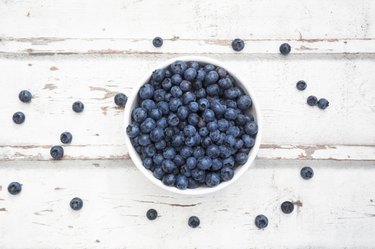
Blueberries for constipation are a good choice, too. One cup has only 84 calories and about 3.6 grams of fiber. These fruits also provide trace amounts of calcium, potassium, iron and more than 16 percent of the daily recommended vitamin C intake.
Read more: 19 High-Fiber Foods — Some May Surprise You!
The Academy of Nutrition and Dietetics recommends 25 grams of fiber per day for people AFAB and 38 grams for people assigned male at birth (AMAB). Therefore, a cup of blueberries supplies 7 to 11 percent of your daily fiber requirements.
These tiny fruits can do a lot more than just relieve constipation. Rich in antioxidants, they may help protect against chronic diseases, reduce inflammation and improve brain function. According to a September 2018 research paper published in the International Journal of Molecular Sciences, blueberries are chock-full of anthocyanidins, procyanidins, polyphenols and other bioactive compounds.
Polyphenols, for example, may inhibit fat cell formation and proliferation while improving insulin resistance, as reported in the above review. In clinical trials, they have been shown effective against obesity and its complications. However, most studies have been conducted on mice, so more research is needed to confirm these findings. Other antioxidants in blueberries may help improve liver function, prevent eye diseases and boost cardiovascular health.
Foods to Avoid When Constipated
As you see, a constipation diet plan should be rich in fiber from whole foods. Fruits, vegetables, legumes, nuts, seeds and whole grains are all a great choice. Raw oat bran, for instance, provides over 7 grams of fiber per serving (a half-cup), while the same amount of cooked navy beans delivers 9.6 grams of this nutrient.
A diet rich in fiber may keep your digestive system running smoothly, but you also need to limit or eliminate certain foods. The U.S. Department of Health and Human Services suggests avoiding potato chips, meat, frozen dinners and other ultra-processed products. These foods contain little or no fiber and may worsen constipation. The same goes for white bread, white rice, pastries, cookies and other foods containing white flour.
The Academy of Nutrition and Dietetics recommends increasing your fiber intake gradually to avoid digestive discomfort. Ideally, choose foods that provide at least 5 percent of your daily fiber requirements. This information is usually listed on the label.
Read more: Signs and Symptoms of Too Much Fiber in the Diet
Make sure you drink plenty of water, especially while on a high-fiber diet. Otherwise, your symptoms may get worse. If constipation persists, reach out to your doctor. Sometimes, this problem may indicate more serious disorders, such as irritable bowel syndrome, diabetes or gastroparesis.
- Journal of Neurogastroenterology and Motility: "High Prevalence of Slow Transit Constipation in Patients With Gastroparesis"
- National Organization for Rare Disorders: "Gastroparesis"
- Mayo Clinic: "Dietary Fiber: Essential for a Healthy Diet"
- Pediatric Gastroenterology, Hepatology & Nutrition: "Diets for Constipation"
- International Food Information Council Foundation: "What Is Sorbitol?"
- USDA: "Blueberries"
- Academy of Nutrition and Dietetics: "Easy Ways to Boost Fiber in Your Daily Diet"
- International Journal of Molecular Sciences: "Molecular Mechanism and Health Role of Functional Ingredients in Blueberry for Chronic Disease in Human Beings"
- USDA: "Raw Oat Bran"
- USDA: "Cooked Navy Beans"
- U.S. Department of Health and Human Services: "Eating, Diet, & Nutrition for Constipation"
- Academy of Nutrition and Dietetics: "Nutrition Tips for Relieving Constipation"
Is this an emergency? If you are experiencing serious medical symptoms, please see the National Library of Medicine’s list of signs you need emergency medical attention or call 911.