















































Nutrition for Muscle Atrophy

Nutrition for Muscle Atrophy
Photo Credit Jupiterimages/Comstock/Getty Images

Muscle atrophy is the process of muscle wasting or depletion. You can experience muscle atrophy for a number of reasons such as inactivity due to a sedentary job or lifestyle, or you could suffer from a medical condition, such as muscular dystrophy, that attacks your muscles. In any event, nutrition can help prevent muscle atrophy.

Eating the Right Foods

If you suffer from muscle atrophy, you can prevent or slow the loss of further muscle wasting by incorporating certain foods into your diet. Muscles are primarily composed of protein; consuming foods rich in protein can help slow or prevent muscle wasting. This doesn't mean you should eat a protein-only diet; your diet should be balanced. Including fruits and vegetables are also important so that your muscles receive the nutrition they need to stay alive and remain strong. Eating a low-fat diet may also be beneficial to reduce the risk of becoming overweight or obese.

Protein Foods

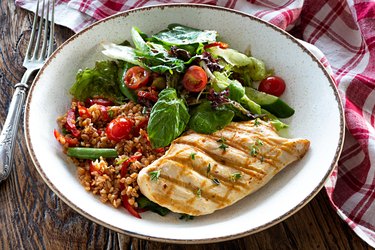
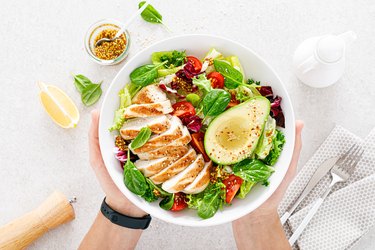
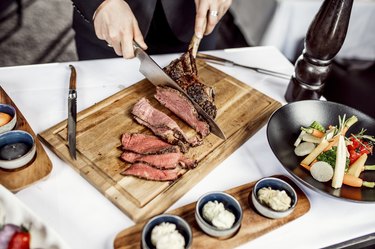
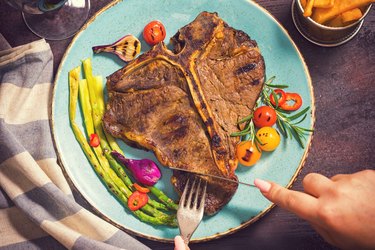
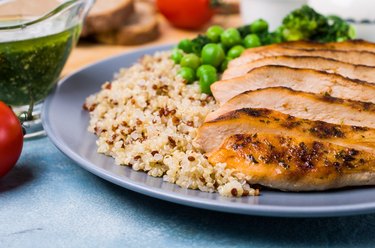
Some foods naturally have more protein than others. Foods rich in protein include any type of nut, peanut butter and dairy products such as eggs, milk and cheese. Ice cream, milkshakes and pudding are all made from milk products and are another option to consider. All types of meat contain protein such as beef, chicken, pork and organ meats such as liver, kidneys and heart. It is better to stick to lean meats, as they typically have a lower fat content.

Low-Fat Foods

Low-fat foods can help prevent becoming overweight or obese, which is especially important if you have muscle atrophy. The extra weight can make it harder for your muscles to function. Low-fat foods include cottage cheese, yogurt and reduced or low-fat milk. Fat-free foods can also benefit you and keep you from consuming unnecessary fat.

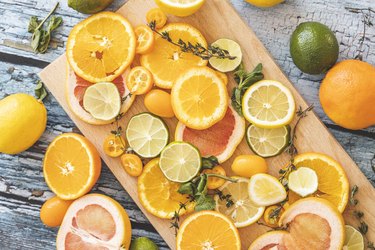
Fruits and Vegetables

Fruits and vegetables provide your body with vital nutrients, but some are rich in magnesium. Your muscles need magnesium to function properly. Without a proper amount of magnesium, your muscles will become weak and develop spasms, which is especially bad if you have muscle atrophy. Foods rich in magnesium include pumpkin, bananas, beet greens, spinach and other green leafy vegetables.

References

Article reviewed by Molly Solanki Last updated on: Jan 18, 2011

Must see: Photo Galleries

Member Comments