





























































Physical Therapy Exercises for Bursitis

Physical Therapy Exercises for Bursitis
Photo Credit Jupiterimages/Goodshoot/Getty Images

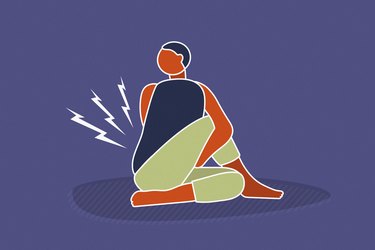
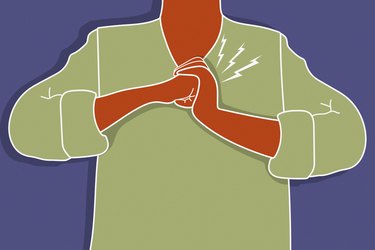
The word "bursitis" comes from bursa, fluid-filled sacs that provide a cushion between the bones, joints and muscles. The bursae keep muscles and joints lubricated for free movement. Bursitis occurs when the bursa become inflamed, resulting in restricted movement. Bursitis of the shoulder, ankle, hip, elbow and thigh are the most common, although it can occur at any joint or muscle. The intensity of pain can range from mild to severe. As such, people suffering from a mild case of bursitis almost never visit a doctor and rely on self-treatment.

Causes

According to Medical News Today, bursitis is caused from an injury to the joints, tendons or muscles. It is also prevalent in people suffering from problems like rheumatoid arthritis, which causes the fluid inside the bursa to dry up. This hinders movement and causes pain due to an increased pressure on the muscle and bones. A sudden jerky movement in the legs or shoulders can also lead to this condition. In rare cases, bursitis can also occur from a bacterial infection, especially in people with a weak immune system.

Symptoms

Symptoms of bursitis include pain, tenderness and swelling. The pain tends to increase during movement. When caused from an infection, bursitis can result in fever and redness as well. The pain may increase when sleeping.

Self-treatment

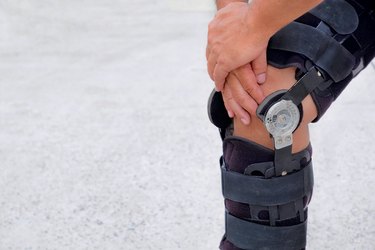
The simplest way to treat bursitis is to avoid any kind of stress to the affected area. According to the American Academy of Orthopedic Surgeons, it is important to rest the area. Drugs like ibuprofen can provide relief from pain. UW Medicine also suggests using a cold pack filled with ice for 20 minutes, four times a day. Ideally, the pain should alleviate within two to three days; if not, it is advisable to consult a doctor.

Physical Therapy

When visiting a doctor for physical therapy, you will first need to undergo a series of tests to determine the extent of swelling or inflammation. Once this is done, you will receive advice on posture and behavior modification which will help you keep the affected area stress-free. Electrical stimulation may also be used to provide relief to the affected area. Therapeutic exercises for the shoulder and hip are also recommended to reduce pain and inflammation.

References

Article reviewed by Brandon Nolta Last updated on: Jan 21, 2011

Must see: Photo Galleries