























































List of Veggies With High Protein

List of Veggies With High Protein
Photo Credit Jupiterimages/Brand X Pictures/Getty Images

An individual on a plant-based diet needs to carefully design a meal plan to meet the daily-recommended amount of protein. The protein requirements for individuals are based on body weight and gender. In general, the daily requirement for protein is about 0.8 g for every kilogram human weight. One kilogram is equivalent to approximately 2.2 pounds.

Stems, Flowers and Buds

Asparagus are stems and they have about 2.2 g of proteins per 100 g. Brussels sprouts are buds and have 3.38 g of proteins. Broccoli and cauliflower are categorized as flowers and they have between 2 to 3 g of protein per 100 g. Theses protein values are based on raw vegetables. Lightly sauté, grill or steam these vegetables so they do not lose their nutritive properties. Some of the vegetables in this group can also be eaten raw. Try to experiment with various flavors and methods of cooking.

Leaves

Green leafy vegetables are not expensive and provide a good variety of minerals, but most importantly, they have a high protein value in their raw state. For example, spinach has 2.86 g of protein and kale has 3.30 g of protein per 100 g. Watercress has 2.30 g, collard greens have 2.45 g of protein and turnip greens have 1.5 g per 100 g of weight.

Roots and Sprouts

Some common vegetable roots, such as radishes and turnips, have less than 1 g of protein. These are not as high in protein when compared to other roots. Beets have about 1.61 g of protein. Alfalfa, a sprout, has about 4 g of protein. Try to add a variety of vegetable roots to a green leafy salad for higher protein content.

Legumes

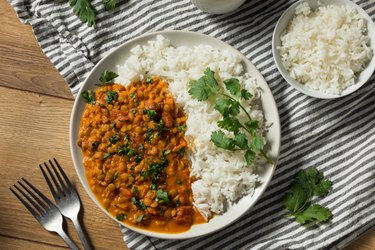
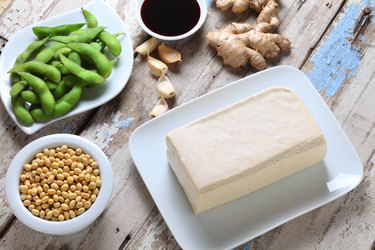
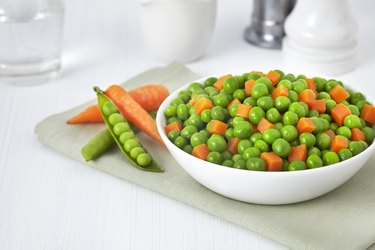
Legumes --- a class of vegetables that includes beans, peas and lentils --- are a good source of protein and can be a healthy substitute for meats. Of all the vegetables, legumes have the most protein content per 100 g of weight. Legumes such as black-eyed peas, green beans, and fava beans have 8 g of protein. Green soybeans have 13 g of protein. Try to incorporate legumes regularly in your diet to get the most benefits from these high protein sources.

Complete Proteins

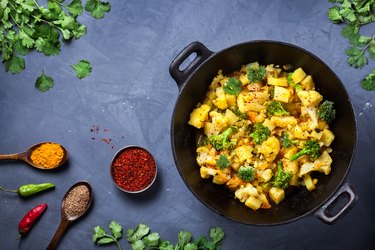
Most vegetables do not have all the essential amino acids required for the normal functions in the body. It is necessary to combine different types of foods with vegetables to achieve a complete source of protein. You can do this by combining a vegetable with a grain. For example, pasta and broccoli, or bread and potato stew.

References

Article reviewed by Mia Paul Last updated on: Jan 23, 2011

Must see: Photo Galleries

Member Comments