

































































Acne is a chronic skin condition that produces inflamed lesions on the surface of your skin, particularly on the face, back, chest and neck. It is caused by excess production of sebum, a substance that acts as a lubricant for the skin. Excess sebum combines with dead skin, clogging skin pores and hair follicles. This condition affects up to 45 million people in the United States, according to the University of Maryland Medical Center. Although certain foods may not cure acne, dietary choices may help reduce the frequency and severity of acne outbreaks.
Vitamin C-Rich Foods
Vitamin C is a potent immune system enhancer, according to Balch. It may help clear surface bacteria that can contribute to clogged pores and follicles. This vitamin may also help reduce inflammation of pimples, improving the appearance of your skin. Vitamin C is an antioxidant, which may prevent free radical molecules from attacking and damaging skin cells. Increase your intake of vitamin C by adding foods such as avocados, kale, cayenne peppers, pineapple, oranges, tomatoes, Swiss chard and lemons to your diet.
Garlic
Fresh garlic offers antibacterial benefits that may help prevent clogged pores and acne lesions. It is also an immune system booster. Garlic may improve blood circulation, allowing your skin tissues to receive vitamins and minerals necessary for healthy skin, according to Balch. Chop or dice fresh garlic cloves to activate allicin, the medicinal chemical compound in this food.
Beta-carotene-Rich Foods
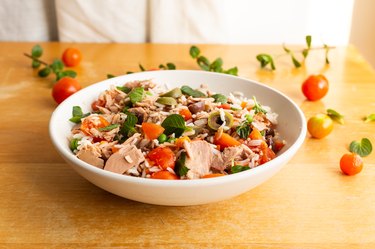
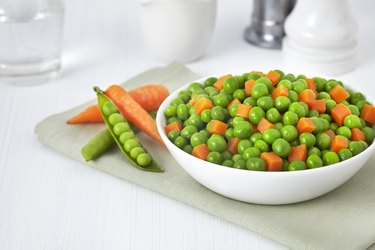
Beta-carotene is a precursor to vitamin A -- your body uses this nutrient to produce vitamin A. It poses a much lower risk of toxicity than vitamin A, while still offering anti-acne benefits. Vitamin A may help reduce the frequency of acne outbreaks, according to the University of Maryland Medical Center. It may also strengthen epithelial cells, which make up the outer layers of your skin. Beta-carotene is found in foods such as carrots, yellow and orange bell peppers, broccoli, tuna, salmon, sweet potatoes and yellow squash.
Zinc-Rich Foods
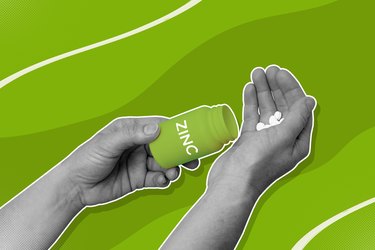
Zinc is a trace mineral that may help regulate the production of sebum in your skin's oil glands, according to Balch. This may help prevent acne outbreaks and may reduce the severity of outbreaks that do occur. Zinc may also help repair skin tissue, which may speed the healing of acne lesions. This mineral may reduce scarring caused by acne. Eggs, lentils, chickpeas, fish, soybeans, alfalfa, Lima beans and lamb are rich sources of dietary zinc.
References
- University of Maryland Medical Center: Acne
- "Prescription for Nutritional Healing"; Phyllis A. Balch, C.N.C.; 2010


Member Comments