












































Importance of Protein in Food

Importance of Protein in Food
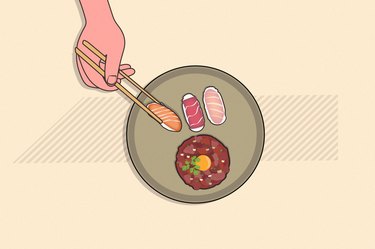
Photo Credit hot fish dish with sauce image by dim@dim from Fotolia.com

A well-balanced diet consists of protein, carbohydrates, fats, vitamins, minerals and other trace nutrients. Each of these factors is required by your body to produce healthy cells that help prevent disease. Your body uses the food you eat by breaking it down into smaller particles that can be easily used and absorbed at the cellular level. Protein is one of those essential nutrients that the body cannot manufacture or produce on its own.

What is Protein?

Protein is made up of smaller units called amino acids. These are the building blocks of protein. Approximately 20 different amino acids have been identified by scientists. Some of these amino acids your body can manufacture, while others must be received from food. The amino acids that must be eaten are called essential amino acids, because your body cannot manufacture them. Those that can be manufactured are called non-essential amino acids.

How is Protein Used?

Protein is used by your body for repairing and building muscles and other tissues. Protein is also used to produce hormones and enzymes and regulate other bodily processes. For example, water balance in the body -- the amount of water that is excreted or kept within the blood system -- must be regulated. Protein is also used to help transport nutrients and provide a source of energy to improve your stamina and keep you from getting easily fatigued. Protein is found in muscle, bone, hemoglobin and antibodies, and it makes up approximately 45 percent of your body.

Quality of Protein

As with other foods and nutrients, some proteins are of higher quality and therefore are better used by your body than others. The quality of the protein is determined by the amino acids that can be used for bodily functions. Eight essential amino acids must be consumed in sufficient amounts from your food. The foods that contain these eight essential amino acids have a higher quality of protein for the body. These eight essential amino acids are tryptophan, lysine, methionine, valine, leucine, isoleucine, threonine and phenylalanine.

High-protein Foods

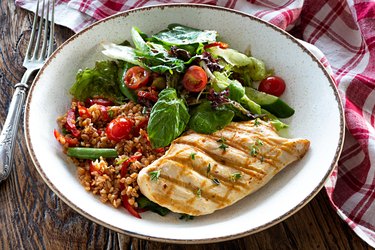
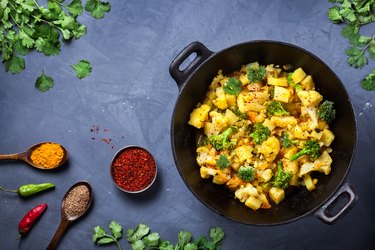
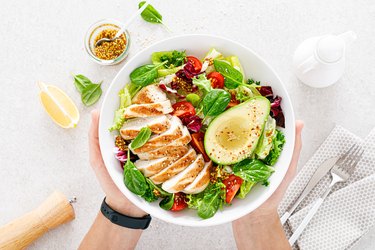
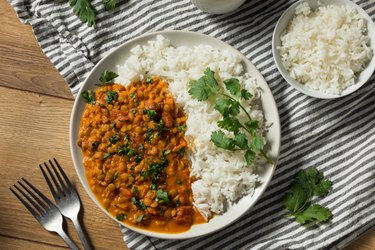
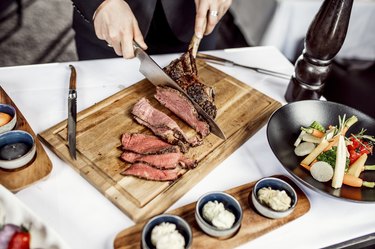
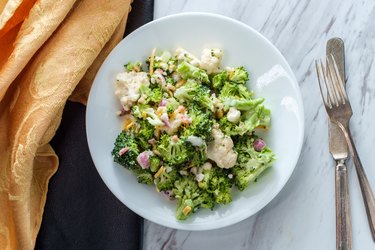
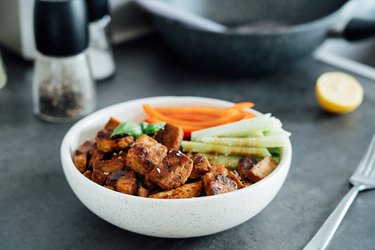
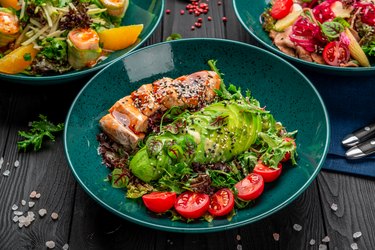
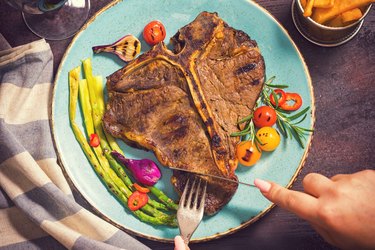
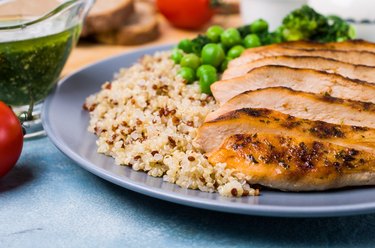
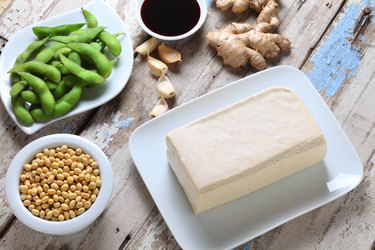
Most animal sources contain complete proteins, or those that have all of the essential amino acids. These foods include beef, chicken, fish, eggs and milk. Vegetarians must get their complete proteins through a combination of vegetables, fruits, grains, nuts and seeds. According to Utah State University Cooperative Extension, individuals who are meat eaters should get approximately 45 g of protein per day, while vegetarians should get at least 65 g of protein per day to ensure the combination of proteins they receive are complete. High-protein vegetarian foods include rice, pasta, whole-grain breads, beans, peas, soy products, raw nuts and seeds, green leafy vegetables and broccoli.

References

Article reviewed by Leah Ann Crussell Last updated on: Jan 26, 2011

Must see: Photo Galleries

Member Comments