








































Different Sources of Monounsaturated Fat

Different Sources of Monounsaturated Fat
Photo Credit Jupiterimages/Comstock/Getty Images

Monounsaturated fat, a staple of the Mediterranean diet and other heart-healthy eating plans, is a much healthier alternative than saturated and trans fats. While unhealthy fats contribute to heart disease, monounsaturated fat may actually lower your risk of cardiovascular problems. Monounsaturated fats can be used in cooking, but because these fats break down when heated, adding them at the end of a meal may be even better.

Nuts and Seeds

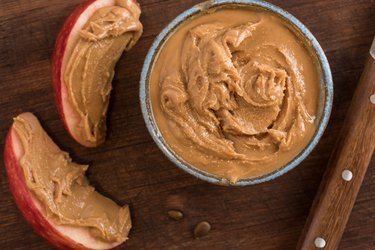
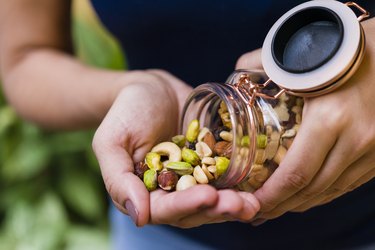
The monounsaturated fat in nuts and seeds gives them an undeserved reputation for being a fattening food. While it's true that the calorie content of monounsaturated fat is 9 calories per gram, just like other fats, the combination of monounsaturated fat and fiber tips the scale in the healthy direction for these snacks. Most all nuts have high levels of monounsaturated fat. Almonds, for example, contain 8.7 g of monounsaturated fat per ounce, cashews have 7.7 g z and peanuts have 7.3 g. One tablespoon of peanut butter contains about 3.9 g of monounsaturated fat. Seeds with high levels of monounsaturated fat include pumpkin seeds, with 3.7 g per ounce and sunflower seeds with 3.0 g per 1/4 cup.

Vegetable Oils

Vegetable oils made from plants high in monounsaturated fat contain high levels as well. Safflower cooking oil contains 10 g of monounsaturated fat per tablespoon and olive oil has 9.8 g for the same amount. There are 8.8 g of monounsaturated fat in every gram of canola oil. Using monounsaturated fats in place of oils high in saturated fat or hydrogenated oils can help lower cholesterol levels and boost heart health over the long term. Some oils high in monounsaturated fats, such as canola oil, are fine for stir-frying or other medium-heat cooking methods. Olive oil and other more fragile oils are best used as a topping for vegetables and other dishes or as part of a salad dressing.

Avocados

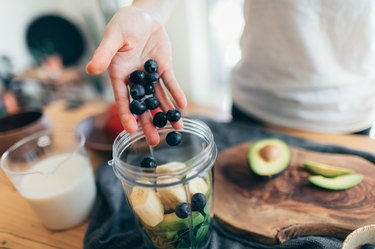
Avocados are in a class by themselves when it comes to healthy fruits and vegetables due to their high monounsaturated fat content. One single avocado has 19.7 g of monounsaturated fat, higher than any other piece of produce. One major advantage of getting some of your daily monounsaturated fat intake from avocados is that these superstar fruits also contain high levels of folate, potassium and vitamins C, E and K. They also provide a full 13 g of fiber per avocado. A classic way to serve avocados is by pureeing them into guacamole.

References

Article reviewed by Mia Paul Last updated on: Jan 27, 2011

Must see: Photo Galleries

Member Comments