






























































Parents can provide kids with a healthy start from birth. But eventually kids need to learn their own healthy life skills. Parents who make healthy choices for themselves provide a positive role model for their children. Talking with your child about a healthy lifestyle will give her the chance to practice good habits -- which can pay off for the rest of her life.
Step 1
Discuss with your child healthy lifestyle components such as diet, exercise, sleep and hygiene that affect overall wellness. Talk about ways the whole family can stay healthy. Make health-related education exciting and informative.
Step 2
Turn off the TV, video games and computers. Limiting these kinds of distractions will encourage kids to be more active throughout the day.
Step 3
Encourage your kids to move around at least once every hour to avoid long periods of being sedentary. Encourage kids to dance around the room, perform jumping jacks or take a walk around the block.
Step 4
Work regular exercise into your child's day. Encourage active play times with activities like tag, bike riding and running around the playground. Exercise as a family with activities such as family walks or swimming to make the activity more appealing to your kids.
Step 5
Post an image of MyPyramid to help your kids establish a healthy diet. Incorporate whole grains, low-fat dairy, vegetables, fruit and some healthy fats into the family diet. Choose monounsaturated and polyunsaturated fat, as well as Omega-3 fatty acids for the fat portion of the diet. Examples include olive oil, nuts, seeds, avocados, flaxseed and fish.
Step 6
Invite your child to cook meals and snacks with you. Teach her healthy cooking basics to build a foundation for health eating habits to use throughout her life.
Step 7
Limit high-calorie, high-sugar drinks which add extra calories. Offer water as your child's primary source of hydration -- along with whole fruit and low-fat milk drinks.
Step 8
Teach your kids to wash their hands frequently to get rid of germs. Get your kids in the habit of washing before eating and after going to the bathroom, preparing food and touching dirty surfaces. Teach your child to sing the alphabet or "Happy Birthday" to know how long to wash their hands.
Step 9
Brush your child's teeth at least twice a day. Give your child a chance to brush his own teeth with your supervision to make sure he gets them clean. Set a timer to help your child know how long to brush his teeth.
Step 10
Set a bedtime early enough for your child to be well-rested in the morning. Your child needs between 10 and 12 hours of sleep each night, according to Kids Health from Nemours. Keep the bedtime consistent even on weekends so she gets into a routine.
Step 11
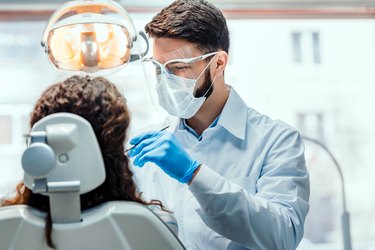
Schedule regular well-child checkups with your pediatrician and dentist. The visits help identify potential problems early when they are more easily treatable.


