











































Protein is an essential nutrient that helps the body build and repair cells. People may increase their protein content to help with weight loss or muscle gain. Too much protein, however, can tax your organs and cause under-intake of other important nutrients needed for energy and proper body function. When determining how much protein is needed in your daily diet, evaluate your activity level and heed expert recommendations.
Expert Recommendations
The Institute of Medicine recommends consuming between 10 and 35 percent of your daily calories from protein. Minimal protein needs are 0.8 g per 1 kg of body weight, or 0.36 g per pound. To figure out your minimal protein needs, multiply your weight in pounds by 0.36. For example, a 140-lb. person should consume at least 50 g of protein daily. Most Americans eat well over this minimum recommendation.
Special Populations
More active people need a greater amount of protein daily. The International Society for Sports Nutrition recommends athletes consume 1.4 to 2 g of protein per kilogram of body weight. Endurance athletes, such as long-distance runners and cyclists, should aim for the lower end of this range while strength building athletes, such as body builders, should aim for the high end. Moderately active people, who workout an hour or so daily, might need slightly more than the minimum amounts recommended by the IOM -- somewhere between 0.6 and 1 g per kg of bodyweight. People recovering from illnesses or exercising at high altitude may also need higher amounts of protein.
Weight Loss
Some high-protein diet plans advocate 30 percent or more of total calories to come from protein. Increasing protein intake can help you feel more satisfied because protein takes longer to digest than carbohydrates. Protein is also less likey to cause spikes in blood sugar that create cravings. Increased protein intake also causes a subtle boost in your metabolism. Some health experts, including those at the American Heart Association, warn against high protein diets as a method of weight loss because of the potential for over consuming saturated fats. Increasing your protein intake may also cause you to skip out on other healthy foods that are essential to your health. Consult your doctor before beginning any diet plan.
Considerations
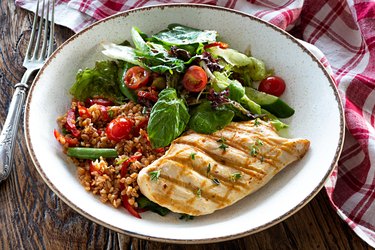
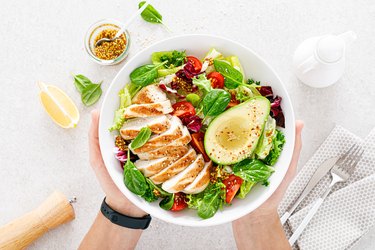
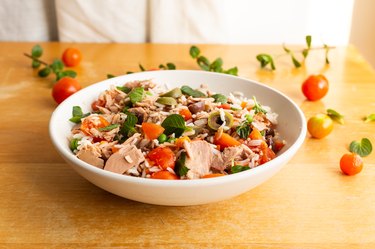
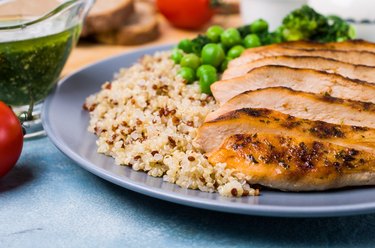
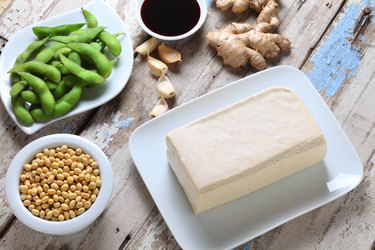
Choosing lean sources of protein can help prevent you from eating too much saturated fat, which can increase your risk of developing heart disease. Animal products, such skinless chicken or turkey breast, shellfish, fish, extra lean beef, whey protein, low-fat dairy and game meats are low-fat choices. Vegetarian sources of protein include quinoa, hemp, nuts, seeds, beans and soy products. Although nuts and seeds contain fat, it is mostly the heart-healthy unsaturated variety that can actually help lower blood cholesterol when used instead of saturated and trans fats.
References
- "Journal of the International Society of Sports Nutrition"; Position Stand: Protein and Exercise; Sept. 2007
- Harvard School of Public Health: Protein
- Institute of Medicine: Dietary Reference Intakes for Energy, Carbohydrate, Fiber, Fat, Fatty Acids, Cholesterol, Protein, and Amino Acids
- "Shape;" The Truth About Protein and Weight Loss; Susan M. Kleiner; Oct. 2002
- Every Diet: High Protein Diets


Member Comments