





















































People with type 2 diabetes either can't produce the hormone insulin, can't produce enough of it, or can't process it properly. Insulin controls the amount of glucose, or sugar, in your blood, so diabetics are at risk of wild fluctuations in blood sugar that can be dangerous to both long-term and short-term health. In many cases, blood glucose levels in type 2 diabetics can be controlled through diet and exercise, though in some cases, medication or insulin injections might be necessary.
Monitoring Blood Sugar Levels
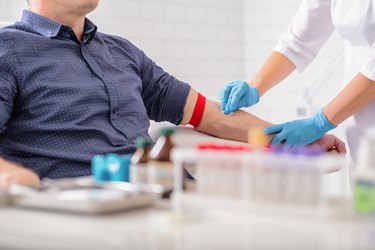
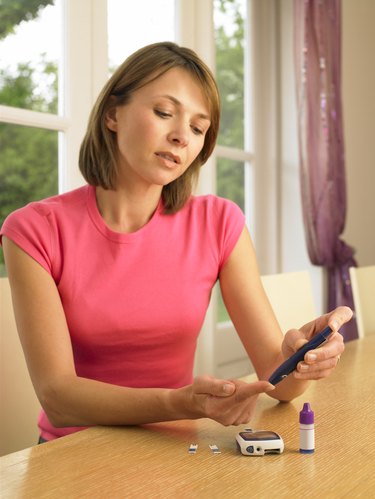
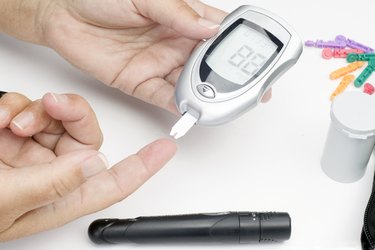
People with type 2 diabetes can use a home blood monitor to keep track of how meals, snacks, exercise, stress and medication affect their blood glucose levels. Testing with a home blood glucose monitor involves taking a pin-prick of blood from a fingertip and placing it on a strip for the monitor to read and analyze. If you track your blood sugar at home, keep a record of the results so that you and your doctor can design a meal plan that works for you.
Hyperglycemia
Hyperglycemia, or high blood sugar, is one of the diagnostic criteria for diabetes. If your blood sugar level is above 126 mg/dL after an eight-hour fast or above 200 mg/dL two hours after taking an oral glucose solution, this indicates diabetes. A blood glucose level above 240 mg/dL should be reported to a doctor, who might decide you need hospitalization to get that level down. Hyperglycemia can usually be prevented by following an appropriate eating plan, exercising regularly and taking medication or insulin as directed. Frequent high blood sugar readings indicate a need for a change in your diabetes treatment plan.
Hypoglycemia
Hypoglycemia, or low blood sugar, is another concern for diabetics. Hypoglycemia can occur when a type 2 diabetic goes for a long time without eating or exercises a lot without consuming sufficient food to power the activity. Taking too much medication or insulin might also cause hypoglycemia. A level of 70 mg/dL or lower is considered hypoglycemic. A diabetic experiencing hypoglycemia should consume something that contains 15 g of simple carbohydrates as soon as possible, such as glucose tablets, hard candy, a soft drink, fruit juice or honey.
Blood Sugar Control
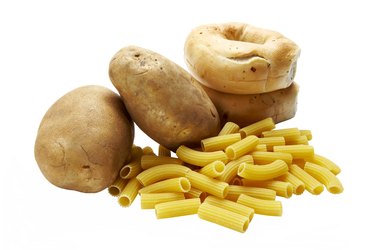
Diabetes management involves getting control over your blood glucose levels. Eating smaller meals more often and consuming small snacks between meals can help prevent spikes in blood glucose levels. Spreading your carbohydrate intake over the course of the day, choosing whole grain carbs and consuming carbs in meals that also contain protein might also help keep blood glucose levels steady.


