







































































Hypoglycemia occurs when the blood glucose level is too low. Blood glucose level below 70mg/dl is considered too low and could cause harm, according to PubMedHealth. Hypoglycemia is more common in patients with diabetes. Hypoglcemia can be caused by not eating enough and taking too much insulin and oral anti-diabetic drugs. Patients at high risk for hypoglycemia are advised to consume high-protein foods and complex carbohydrates to prevent hypoglycemia.
High Proteins and Hypoglycemia
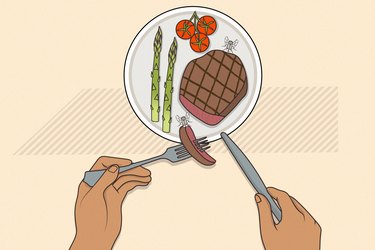
Patients with hypoglycemia should consume high-protein foods and complex carbohydrates because these foods take long to be digested, thereby preventing sudden drops and spikes in blood sugar levels, according to MayoClinic.com. Glucose from digested proteins and complex carbohydrates is also released into the bloodstream gradually, which helps to regulate blood glucose levels. Consumption of simple carbohydrates is discouraged in patients with hypoglycemia because simple carbs such as table sugar only increase blood sugar for a few minutes. Examples of high-protein foods suitable for patients at risk for hypoglycemia include lean meat, fish, poultry, low fat milk and legumes.
Symptoms of Hypoglycemia
Patients with hypoglycemia experience sweating, confusion, double vision, blurred vision, irritability, hunger, fast heart rate, headache, nervousness, shaking, insomnia, weakness, tingling and numbness of the skin, malaise, convulsions, dizziness, fainting, hallucinations, memory loss, paleness and muscle pain, according to MayoClinic.Some diabetics may not notice these symptoms of hypoglycemia. In order to avoid hypoglycemia, blood glucose levels should monitored regularly.
Treatment of Hypoglycemia
Patients with diabetes are advised to carry glucose tablets, hard candies or fruit juice to treat hypoglycemia in emergency situations. If patients notice symptoms of hypoglycemia or when blood glucose levels are below 70mg/dl, foods containing simple carbohydrates such as glucose tablets, candy and fruit juice should be consumed immediately so as to cause an immediate increase in blood glucose levels. A balanced meal containing complex carbohydrates and proteins should be consumed afterwards to stabilize blood sugar levels. Patients with severe hypoglycemia are treated with glucagon and glucose injections.
Complications of Hypoglycemia
Untreated hypoglycemia can cause several complications. Low blood glucose levels leads to loss of consciousness, seizures, coma and permanent damage to the nervous system, according to PubMedHealth. Low blood glucose levels lead to brain damage because the brain depends on glucose to function normally. Patients with diabetes should follow their doctor's advice regarding proper diet, medication and exercise to prevent hypoglycemia.


