



























































All sterols have the potential to elicit beneficial and adverse effects. Sterols are organic compounds found naturally in animals, plants, and fungi and are essential for their growth and development. Cholesterol is the most renowned animal sterol, while desmosterol occurs in shellfish. Campestrol, sitosterol, and stigmasterol are phyto or plant sterols. Ergosterol comes from fungus. This article focuses on the health benefits and latent risks of phytosterols.
Nature of Plant Sterols
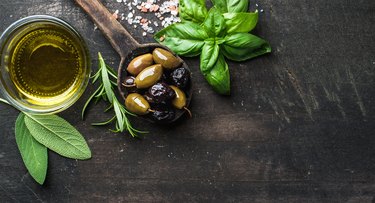
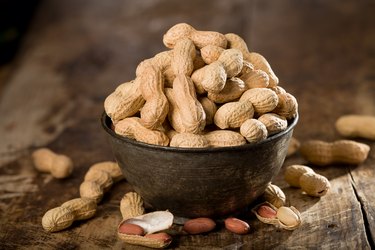
Phytosterols are non-nutritive compounds abundant in fat-laden plant foods such as nuts; seeds; oils; fruits like avocado; and cereals such as corn. Sitosterol and campestrol constitute about 60 percent and 35 percent of the sterols present in most plant foods respectively. Sterols are the unsaturated form of the plant steroid while stanols are its saturated form. The typical Western diet contains about 200 to 500 mg of cholesterol, 200 to 400 mg of plant sterols, and about 50 mg of plant stanols.
Heart Protective Benefits
Several studies indicate that plant sterols lower LDL cholesterol and total serum cholesterol by inhibiting the intestinal absorption of dietary and liver-synthesized cholesterol. Because beta-sitosterol is very similar in structure to cholesterol, it displaces cholesterol in micelles in the small intestines. Micelles are tiny complexes of emulsified fat that arises during digestion. Each micelle carries dozens of bile acids and fatty acids.Only 50 percent of dietary cholesterol is assimilated. Unabsorbed cholesterol is returned to the liver or ferried out with bile acids for excretion. In normal healthy persons, less than five percent of plant sterols is assimilated, and less than 0.5 percent plant stanols are absorbed.
Sitosterolemia and Xanthomatosis
Contrary to popular belief, plant sterols do not confer health benefits to everybody. Sitosterolemia is a rare inherited disease caused by mutations in the ABCG5 and ABCG8 proteins. These proteins regulate the removal of plant sterols from the body. In healthy people, most of the absorbed sterols are eliminated through the liver and the biliary system, and less than one percent is retained in their bodies. However, in persons with sitosterolemia, plant sterols accumulate in lethal amounts.
There are about 80 to 100 diagnosed cases of sitosterolemia globally. It is characterized by high plasma plant sterol levels; abnormal red blood cells; absence or negligible amounts of platelets; atherosclerosis; premature coronary heart disease; and xanthomas. Xanthomas are firm, raised waxy bumps in the trunk, arms and legs. Xanthomatosis is the accumulation of fat within the skin especially on the elbows and knees. Bile acid binding resins and ileal by-pass surgery are effective treatments for sitosterolemia. Statins are ineffective.
Tips
It is almost impossible to avoid consuming plant sterols since they occur naturally in all plant-derived foods and sterol-enriched foodstuffs. The key is a balanced, portion-controlled diet composed of fresh, whole, minimally processed foods appropriate for your age and gender. The American Heart Association considers phytosterols as a beneficial adjunct in the prevention and management of hypercholesterolemia, and the National Cholesterol Education Program Expert Panel recommends the use of phytosterol-enriched foods as preventive tool against heart disease.
References
- "European Heart Journal": Controversial role of plant sterol esters in the management of hypercholesterolemia. Weingartner, O. et al. January 2009
- "Journal of Lipid Research": Lethal atherosclerosis with abnormal plasma and tissue sterol composition in sitosterolemia and xanthomatosis. Salen, G. et al. September 1985
- "Atherosclerosis, Thrombosis, and Vascular Biology": Plasma Plant Sterol Levels: Another Coronary Heart Disease Factor?. Sehayek, E. & Breslow, J.L. January 2005
- "Cardiovascular Drug Review": Sitosterolemia. Salen, G. et al.. Winter 2002
- "Journal of Clinical Pathology": Sitosterolemia: pathophysiology, clinical presentation and laboratory diagnosis. Kidambe, S. et al.. May 2008
- "Journal of Clinical Investigation": The reactivity of desmosterol and other shellfish - and xanthomatosis-associated sterols in the macrophage sterol esterification reaction. Tabas, I. et al.. December 1989


