

































































With so many food options, shopping for healthy foods can be challenging and labels and advertisements can be misleading. Knowing what to look for, how to choose healthy items and maneuver the grocery store may take a little adjustment, but before long, filling your cart with the right choices becomes second nature.
The List
Avoid visiting the grocery store without a list, otherwise your shopping basket may fill up with impulsive and unnecessary items. Collect some of your favorite healthy recipes for the week and compile your list of needed items. Create and save your list on the computer, if possible, for reuse. Several week's worth of menus will make it easy to print and go in the months to come. Its helpful to separate items by type so that getting in and out of the store is quicker and you can avoid the aisles with temptations, such as candy and chips. Eat a healthy meal or snack before grocery shopping, even with a list, being hungry is asking for trouble. Not only will you be tempted to buy items you don't need, but you may also spend more money. Fresh and unprocessed items that are healthiest and generally stocked on the periphery of the store. Get acquainted with nutrition and ingredient labels for better informed decisions.
Proteins
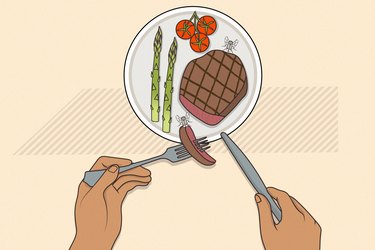
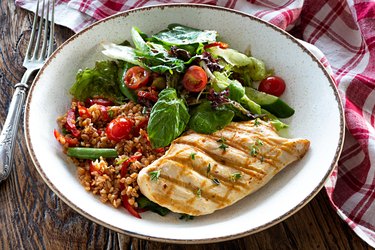
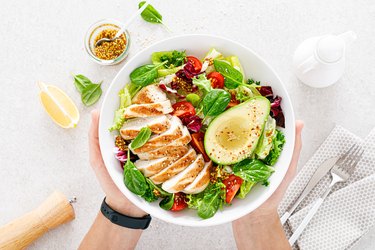
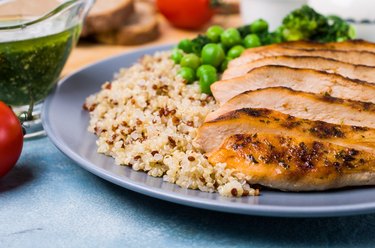
When your list requires purchasing meats, poultry and pork, choose lean cuts trimmed of fat, skin and bone. For example, sirloin, chuck and tenderloin are lean beef cuts while tenderloin and loin chops are healthy choices for pork. For poultry, choose lower-fat white meat over dark. Egg substitutes are healthy, low-cholesterol alternatives to whole eggs. Avoid organ meats, which are high in cholesterol, as well as processed items that have added sodium, fat and preservatives. Legumes, nuts and seeds are healthy protein alternatives. They contain fiber and healthy fats good for heart health. Consider raw nuts or seeds to roast at home for a low-sodium or sodium-free option.
Fats
Most recipes will specify which type of oil is needed, but avoid fats that are solid at room temperature; these are generally saturated, hydrogenated or trans-fats. Fats that are unsaturated, polyunsaturated or monounsaturated, are healthier options from vegetables, nuts or seeds.
Carbohydrates
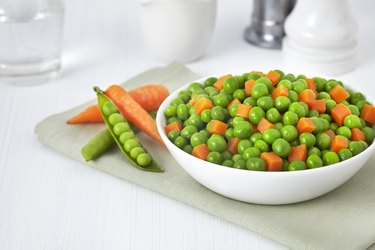
This category includes rice, potatoes, cereals, bread, pasta and other grains. Choose whole-grains when possible listing whole grain as the first ingredient. These are higher in fiber which help protect you against the risk of chronic diseases such as heart disease, cancer and diabetes. Aim for 14 to 28 g daily. Other carbohydrates include fruits and vegetables. They are low calorie, filling options high in micronutrients such as vitamins, carotenoids and minerals. Pick items bright in color with skins lacking bruises, cuts or major blemishes.
Dairy
Dairy products are proteins that can be high in fat and cholesterol. Choose low or fat-free options. Skim milk, fat-free yogurt, fat-free sour cream and low-fat cottage cheese are good sources of protein low in fat and calories. Greek yogurt is naturally fat-free and lactose-free and can substitute for sour cream. Select reduced fat or part-skim cheeses and try butter alternatives made from vegetable oils.
Tips
Select canned items with little or no sodium. Check each label for sodium content, the daily recommended limit for most adults is 2,300 mg with 1,500 mg the preferred goal. Avoid items packed in oil, syrup or added sugar; look for water-packed light tuna and fruit in water or its natural juice. Unbreaded frozen items with few additives are healthier choices. When your list contains condiments, choose fat-free or light oils, dressings and mayonnaise and avoid products with added sugar. Herbs, mustards and spices are flavor alternatives.


Member Comments