




























































When girls hit the age of 10 and boys turn 12, you may notice a drastic shift in their eating patterns. Signaling the onset of puberty, preteens always seem hungry and may be constantly buzzing around the refrigerator and pantry. Therefore, it is important to teach your child solid nutritional and exercise habits, so they can make healthy lifestyle choices for themselves.
Caloric Intake
During early adolescence, your teens need more calories than ever before. According to the American Academy of Pediatrics, boys at this age need about 2,800 calories per day and girls need about 2,200 calories per day. If your child participates in sports, he may need even more. Since proper nutrition is the key to normal growth, body image issues, such as wanting to gain weight or wanting to lose weight, should not affect your teen's caloric intake drastically. Teach your teen the importance of attaining optimal health, rather than optimal appearance.
Macronutrient Intake
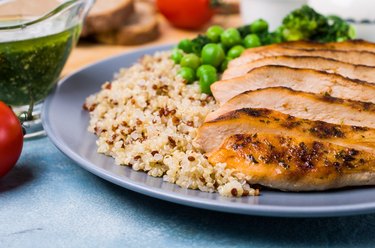
A healthy teen diet requires a balance of carbohydrates, protein and fat. Carbohydrates are broken down into sugars, the body's main source of energy. Carbohydrates should make up 50 to 60 percent of a teen's caloric intake, and should consist mostly of whole grains, vegetables and fruit. Sweets and high-fat carbohydrates with low nutrient content should be eaten in moderation. Fat should make up no more than 30 percent of your teen's calories. The majority of your teen's fat intake should come from healthy sources, such as vegetable oils, nuts, seeds and fish. Protein should make up the remainder of your teen's total caloric intake, which should be around 20 to 25 percent. Teach your teen how to pick lean sources of protein and dairy.
Vitamins and Minerals
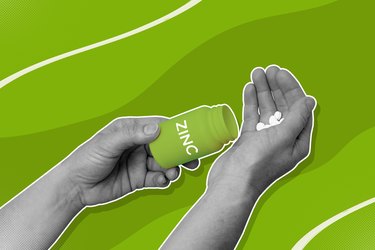
A diet full of variety, with plenty of whole grains, fruits, vegetables, legumes, protein and dairy, is required to ensure that your teen is getting all of the nutrients that she needs during this time of rapid growth. This is no time to be eliminating entire food groups from your diet, so teach your teen the importance of a balanced diet. Since it can be a task to get your teen to eat healthy, you may want to supplement her diet with a multivitamin. In the United States, the most common mineral deficiencies found in teens are calcium, iron and zinc.
Exercise
The Nemours Foundation recommends at least 60 minutes of moderate to vigorous physical activity each day. If your teen is involved in sports, you do not have much to worry about. If your teen does not play sports, encourage him to participate in a physical education class at school or put him on your gym membership. Physical activity can consist of cardiovascular exercise and strength training. Strength training can be done on a smaller scale during your child's teen years, and it is best to consult a certified personal trainer about exercises appropriate for your teen.


Member Comments