




































































Iron deficiency is one of the most common causes of anemia in children, states the KidsHealth website. Infants in particular have a higher risk of developing iron deficiency anemia, especially those between nine and twenty-four months of age. The reason is that babies in this age group need an ample supply of iron for their rapid growth and development.
The role of iron
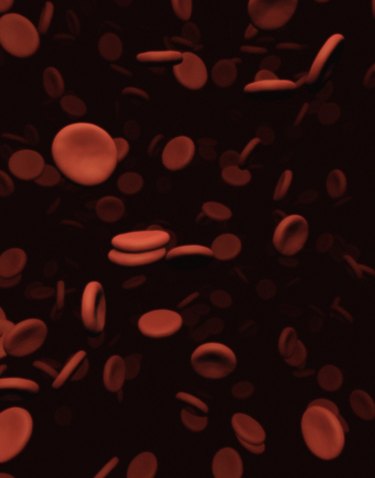
Iron is an important element for the hemoglobin molecule. Hemoglobin is the protein that allows red blood cells to carry oxygen to the body's tissues. Hemoglobin binds oxygen coming into the lungs and then releases it to the tissues so they can use it during their metabolic processes. When the level of iron decreases, the body produces fewer red blood cells with less amount of hemoglobin. This results in anemia.
Causes
The causes of iron deficiency anemia include lack of adequate amounts of iron in the diet, inability to absorb iron from the gut, slow chronic blood loss and increase in the body's requirement of iron, for example during periods of rapid growth. According to MedlinePlus, an iron-poor diet is the most common cause of anemia. This is especially true in babies who ingest cow's milk exclusively, since cow's milk lacks enough iron for the baby's needs. At the same time, cow's milk inhibits the body's ability to absorb iron. In contrast, breastfed babies need less iron, because iron is better absorbed from breast milk than from cow's milk.
Symptoms
Infants with iron deficiency anemia may be weak, and get tired easily while feeding. They may exhibit cyanosis, a bluish tinge around the lips and on the nail beds, that signifies decreased oxygen content in the blood. According to KidsHealth, anemia can manifest as rapid breathing, tachycardia or rapid heart rate and paleness. Infants can also become irritable, fuzzy and difficult to console. Blood in the stool can also be present, and is a sign of inflammation in the gastrointestinal tract. Severe cases of anemia may result in heart failure.
Treatment
The main treatment of iron deficiency anemia is iron supplementation. In infants, giving oral ferrous sulfate liquid supplements replenished iron stores. Formula-fed infants need to take an iron-fortified formula to prevent anemia. With treatment, the iron deficiency usually resolves in two months. In severe cases, blood transfusion may be necessary to prevent long term complications.


Member Comments