




























































Gout Disease & Diet

Gout Disease & Diet
Photo Credit anchovy image by Ramon Grosso from Fotolia.com

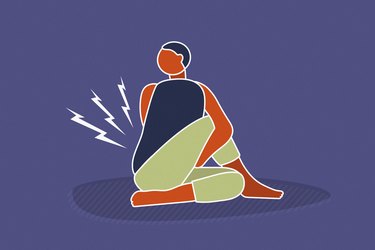
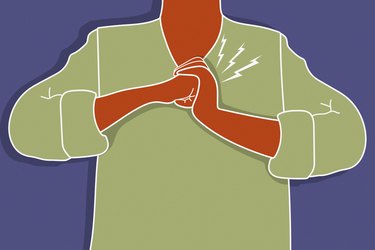
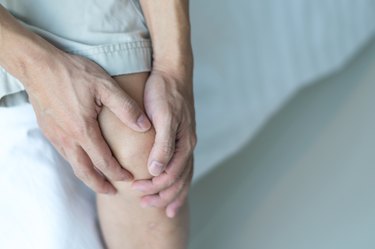
Gout is a type of arthritis characterized by intense, severe pain and inflammation in the joints. The most commonly affected joint is the base of the big toe, but gout may affect the ankles, knees, hands and wrists as well. The pain and inflammation of gout is caused by the accumulation of a waste product called uric acid in the joints. In order to control symptoms of gout, it is important to reduce the amount of uric acid in the body.

Physiology

Your body produces uric acid when it breaks down substances called purines. Normally, when uric acid is produced, it dissolves in your blood where it travels to the kidneys. The kidneys filter uric acid from your blood and deposit it into your urine, so that your body can remove it. If your body produces too much uric acid or your kidneys cannot properly remove uric acid from your blood, the waste product accumulates and forms hardened substances called urate crystals. These crystals travel through your blood and accumulate around your joints, causing the symptoms associated with gout.

Causes of Gout

Certain medical conditions put you at an increased risk of developing gout. These medical conditions include high blood pressure, high cholesterol, diabetes and arteriosclerosis. You may also develop gout as a result of the regular use of certain medications, such as diuretics. The chances of developing gout are highest in men between the ages of 40 and 50, according to the Mayo Clinic.

Low-Purine Diet

In order to control the symptoms of gout, it is important to control the amount of uric acid in your body. To do so, you have to lower the amount of purines to which you are exposed. Your body naturally produces purines, but approximately 15 percent of the purines in your body comes from the food you eat.

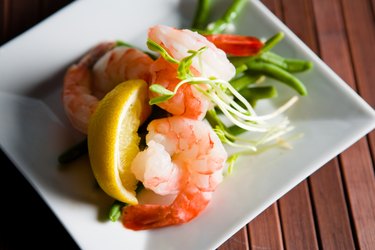
The foods that contain the highest amounts of purines include refined grains, whole milk, fried foods, anchovies, sardines, scallops, mackerel, gravy, yeast, broth and high-fat desserts such as ice cream and cake. When following a low-purine diet, you should completely remove these foods from your diet. Your diet should consist of whole-grains, fruits, vegetables, lean proteins and low-fat dairy. You should limit meat consumption to less than 3 ounces per meal, according to the University of Pittsburgh Medical Center.

Considerations

Alcohol increases the purine production in your body. If you have gout, you should eliminate alcohol from your diet. Most of your fluid intake should come from water. Because high levels of uric acid in your blood can also lead to the formation of kidney stones, it is important to drink eight to 12 glasses of water per day to flush out the kidneys.

References

Article reviewed by M.J. Ingram Last updated on: Feb 16, 2011

Must see: Photo Galleries