

























































High-density lipoprotein has long been considered "good" cholesterol. More commonly known as HDL cholesterol, or HDL-C, this form of cholesterol actually helps to remove low-density lipoprotein (LDL), or "bad" cholesterol, from the bloodstream by taking it to the liver where it can be expelled from the body. This can reduce your cholesterol levels, and thereby lower your risk of atherosclerosis, which is a narrowing of the arteries. One of the main culprits to high blood cholesterol is said to be saturated fat and it's important to know how saturated fat affects HDL levels.
Saturated Fat
To improve cholesterol levels, the American Heart Association has recommended that saturated fat be kept to fewer than 7 percent of your total daily calories. This type of fat is typically found in animal-based products, like meat, eggs and dairy, as well as those foods that contain meat, eggs or dairy. A diet high in saturated fat is linked to an increase in low-density lipoproteins, but it doesn't appear to have much of an effect on high-density lipoprotein levels. Excess weight, physical inactivity and trans-fatty acids seem to have the most negative impact on your HDL levels, causing them to lower as time goes by. Yet this doesn't mean that you shouldn't limit your intake of saturated fat, since HDL isn't the only cholesterol number that can lead to high blood cholesterol.
Other Fats
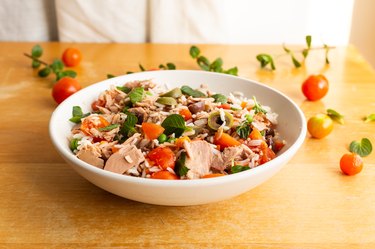
While you should limit your intake of saturated fat, you still want to keep your overall fat consumption anywhere between 25 and 35 percent of your total daily calories, according to the American Heart Association. Some of the better fats are polyunsaturated fats and monounsaturated fats, which are found in olives, avocados, olive oil, sunflower oil, safflower oil, almonds, pecans and other nuts. These fats, as well as omega-3 and omega-6 fatty acids (found in salmon, tuna, mackerel, herring and some vegetable oils), should make up the majority of your fat intake. They tend to keep LDL levels low while increasing the number of high-density lipoproteins in your bloodstream.
Considerations
When you hear people saying that you need fat in your diet, don't be confused. Not all fat is bad. Some of it is actually vital to your overall health. Just remember that saturated fats can eventually cause an elevation in your blood cholesterol, which increase your risk of heart disease, heart attack and stroke. If you're hoping to improve your HDL levels, your strategies should include losing those excess pounds, exercising at least 30 minutes a day and avoiding all trans-fatty acids, also known as trans fat.


