
























































Foods That Affect Dopamine Levels in the Brain

Foods That Affect Dopamine Levels in the Brain
Photo Credit watermelon image by ewa kubicka from Fotolia.com

The brain uses the neurotransmitter dopamine to sharpen focus and attention, regulate motor control, and provide feelings of joy, pleasure and satisfaction. It produces dopamine from phenylalanine, an essential amino acid that it transforms into tyrosine in the process. Foods containing tyrosine or phenylalanine --- such as watermelon and high-protein foods --- increase dopamine levels in the brain, according to the University of Maryland Medical Center, while processed sugar and saturated fats reduce dopamine levels.

Tyrosine-Rich Foods

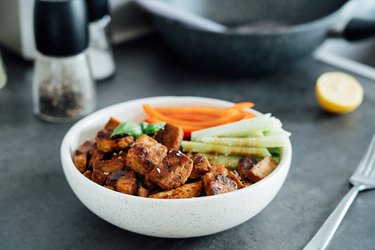
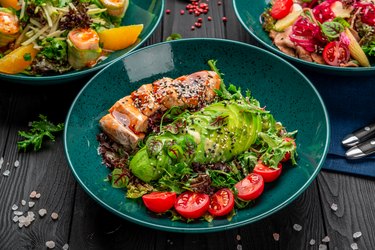
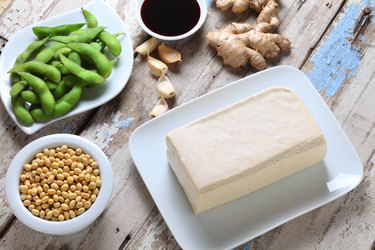
Eating nuts --- such as hazelnuts, Brazil nuts, cashews, pistachios and pine nuts --- containing an amino acid called tyrosine helps trigger the production of dopamine in your brain. Tyrosine is also found in healthy whole grains such as barley, oats and rye, and whole grain breads and pastas. A variety of other foods contain tyrosine, making it easy to incorporate into each meal the foods you need for better moods, stronger focus and increased motivation toward your goals. These foods include bananas, lima beans, avocados, fish, chicken, turkey, cottage cheese, milk, yogurt, cheese, soy products, peanuts, sesame seeds and pumpkin seeds.

High-Protein Foods and Vitamin B6

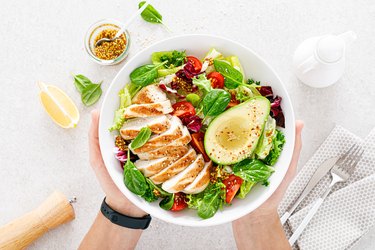
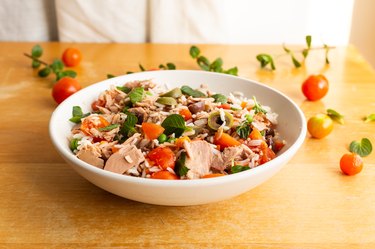
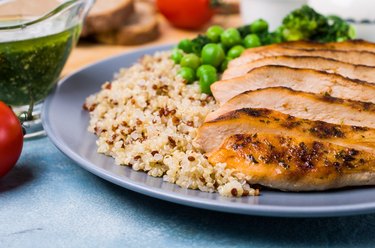
The body makes dopamine for the brain by raising tyrosine levels in the blood from the amino acids it receives from protein-rich foods. Eating protein is especially important at breakfast, according to the Franklin Institute, because the elevated tyrosine levels it produces will help keep you motivated and alert throughout the day. Protein foods are divided into two classes. Nuts, seeds, grains and legumes offer only some essential amino acids to produce dopamine and are incomplete protein foods. Poultry, fish, meat, cheese and yogurt are complete protein foods and have all eight essential amino acids. Both help nourish the brain and can be combined in a single meal. Vitamin B-6 foods help convert these proteins in the synthesis of dopamine, according to the Office of Dietary Supplements of the National Institutes of Health. Fortified cereals often contain vitamin B6, as well as baked potatoes with skin, canned chick peas, rainbow trout, spinach, peanut butter, tomato juice and canned tuna in water.

Dopamine-Producing Fruits and Vegetables

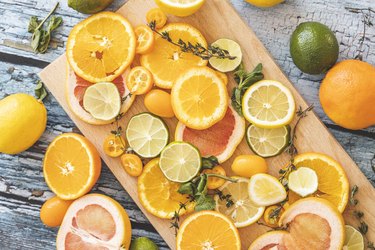
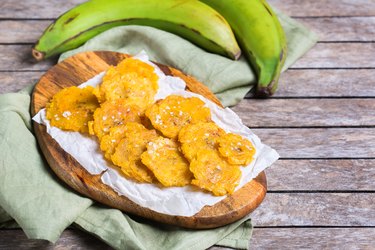
Fruits and vegetables in general contain antioxidants that help protect dopamine-producing neurons. Avocados and beets, in particular, increase dopamine in the brain. Beets contain betaine, an antidepressant that stimulates the production of S-adenoslmethionine, essential in making dopamine. Watermelon raises dopamine levels naturally because of the vitamin B6 it contains in abundance. Bananas are another good fruit source for raising dopamine levels in the brain. Additionally, apples contain quercetin, which protects the body from free radicals that can destroy dopamine.

Dopamine-Diminishing Foods

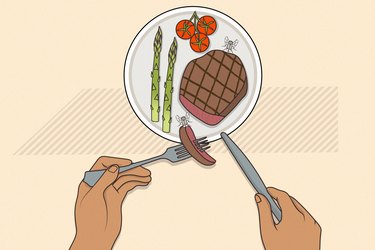
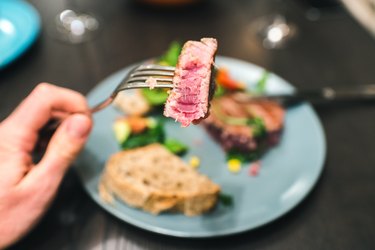
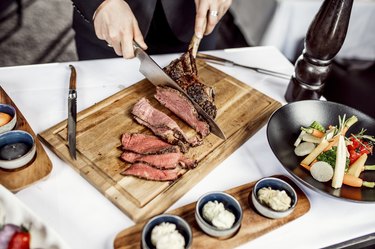
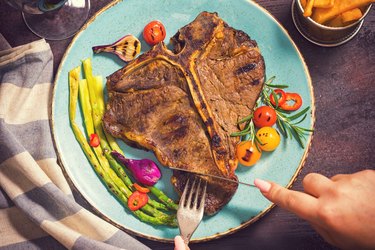
Some foods lower dopamine levels in the brain. Although many people eat simple carbohydrates to feel better --- such as sugar, candy, donuts, pies and cakes--- simple carbohydrates interfere with the functioning of the brain and, by reducing dopamine, can lead to feelings of depression and mood swings. Eating sweet fruits and whole grain baked goods increases dopamine levels, and is therefore a wiser way to improve your mood. Avoid eating fatty red meats, such as bacon and sausages, that clog your arteries and make it difficult for dopamine to flow to the brain. Rather, cook with vegetable oils and eat fish and nuts to help you feel better.

References

Article reviewed by Jeremy Lloyd Last updated on: Feb 20, 2011

Must see: Photo Galleries

Member Comments