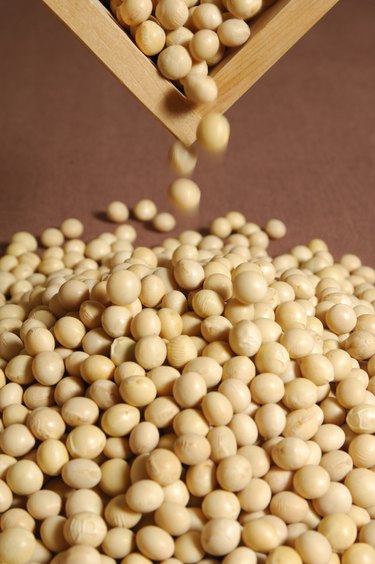
Soy, a source of protein and edible oil, is a member of the pea family with the botanical name Glycine max. It provides the highest amount of plant protein, including all essential amino acids that your body cannot manufacture. Today, hundreds of millions of people rely on soy for good nutrition. Soy protein is also believed to have potential benefits in heart disease, cancer, diabetes and bone health. Nevertheless, you should not consume soy in large amounts without talking to your doctor because it may contain certain bioactive molecules that could trigger side effects, such as gout.
Soybean Composition
Video of the Day
Soy is a significant source of protein, fiber, polyunsaturated fatty acids, vitamins and minerals. Soybean oil, a vegetable oil obtained from soy, contains two essential fatty acids -- linoleic and linolenic acids. They aren't produced in your body, so you must obtain them from external foods. Soy lacks complex carbohydrate, a form of sugar in plants, so it is a source of nutrition for diabetics. The non-nutritive compounds in soy, including resveratrol, phytosterols and isoflavones, have been investigated scientifically for numerous health conditions.
Video of the Day
Gout
Gout, a painful arthritic disorder, results from an accumulation of uric acid crystals in cartilage in the joints. Uric acid is a breakdown product of purines, compounds that occur naturally in your body and in particular foods, such as meat, poultry, egg and soy. It has no functions in human body. Excess uric acid is eliminated in the urine. However, an overproduction of uric acid may not be filtered completely from the body by the kidneys. As a result, it forms in tiny, jagged crystals in joint fluid, causing pain, inflammation and swelling.
Soy and Gout
Gout is a metabolic disease caused by disordered metabolism of purines. Your body mainly gets purines from foods. High intake of purine-containing foods can raise your uric acid levels and makes your gout worse. It is typically suggested that people with gout must keep their intake of foods high in purines at low levels. Soy contains moderate amounts of purines. So, consuming large amounts of soy-based products can increase the risk of gout.
Other Side Effects
Other major side effects of soy are linked to thyroid disorders. Soy isoflavones, compounds with antioxidant and estrogenic actions, may block thyroid hormone biosynthesis. Because thyroid hormones are necessary for energy production, growth and metabolism, low circulating thyroid hormone levels will result in the "slowing down" of bodily functions. So, people with already impaired thyroid function should avoid soy-based products. A small percentage of people are allergic to soy, so it is safe to consult a doctor if you are going to include a lot of soy in your diet. Common soy allergy symptoms include swelling and itching of the mouth and throat, trouble breathing, nasal congestion, wheezing, increased heart beat, dizziness and lowered blood pressure.