























































Urinary tract infections (UTI) can be painful and are the second most common infection that develops in the body, according to the National Institutes of Health. Diet plans for a UTI aim to reduce bad bacteria and treat complications from the infection, such as decreased kidney function, and manage high blood pressure in patients with hypertension.
Definitions
A UTI is caused by bacteria in the urethra, which is the tube that carries urine from the bladder for excretion from the body. The most common type of bacteria that causes a UTI is Escherichia coli (E. Coli). UTIs are common among women between the ages of 25 to 29 and over 55 years, but can also develop in men as well.
Current Research
In a study, published in March 2003 in the "American Journal of Clinical Nutrition," researchers found that women who consumed fresh juices, especially berry juices were less likely to get a UTI. These results were attributed to the flavonol content of berries and its potential role in antimicrobial defense. Results also showed that women who consumed fermented milk products may also have a decreased risk of UTI, likely related to the good bacteria found in these products.
Foods to Eat
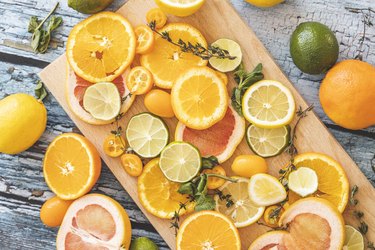
Nutritional interventions for UTIs include eating foods that acidify urine to help decrease bacterial growth. Foods that help acidify urine are cranberries, plums, prunes, corn, lentils, bread products, peanuts and walnuts. Drinking adequate fluids also helps treat and prevent UTIs. Unless otherwise indicated by your doctor, adults should aim to consume 64 oz. of water per day, which is around 8 glasses. Additionally, include adequate protein in your diet to preserve kidney function.
Foods to Limit
During times when you have a UTI, avoid caffeine since its diuretic effect may exacerbate the infection. If you have high blood pressure, eat a low sodium diet. Finally, if your potassium levels are high, your doctor may restrict potassium in your diet.
Considerations
For patients with a UTI, it may be helpful to follow special dietary considerations to manage the infection and prevent further UTIs from developing. Before beginning a special diet plan, consult your doctor.
References
- "American Journal of Clinical Nutrition"; Dietary factors protecting women from urinary tract infection; Tero Kontiokari, et. al
- Nutrition and Diagnosis Related Care; Sylvia Escott-Stump; 2008
- National Kidney and Urologic Diseases: Urinary Tract Infections in Adults


