







































































Chemotherapy, the delivery of chemical agents, targets rapidly dividing cells and is, therefore, effective in treating cancer. These drugs interfere with normal cell growth and division, resulting in cell death. Because chemotherapy is administered systemically, meaning throughout the body, it can also affect normal healthy cells, especially the rapidly dividing cells found in the bone marrow. Bone marrow, the spongy material found in the middle of bones, is responsible for continuously producing new blood cells When chemotherapy agents attack, causing bone marrow suppression, blood cells cannot be replenished, resulting in a variety of conditions.
White Blood Cells
White blood cells are an essential part of your immune system. They are the first line of defense against bacteria and other infectious agents. White blood cells are the first to be affected when chemotherapy suppresses the ability of the bone marrow to produce new ones because they have the shortest life span, only a few days.
Chemotherapy agents destroy the new cells as they are formed by the bone marrow; there are no new white blood cells to take over, resulting in a drop in white blood cells, a condition called neutropenia. A low white blood cell count means that you are vulnerable to infections and may need to take prophylactic antibiotics to help fight off infections that could interfere with treatments and worsen your illness.
Red Blood Cells
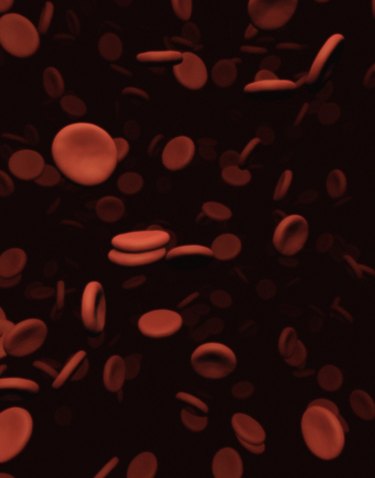
Red blood cells contain hemoglobin which carries oxygen throughout the body. The condition of low red blood cells is known as anemia and may trigger the symptoms of fatigue, dizziness, headaches, irritability and low blood pressure. With fewer red blood cells in circulation, there is less oxygen throughout the body, which can eventually cause organ damage.
When the bone marrow cannot produce new red blood cells due to chemotherapy, a transfusion may be necessary. A transfusion is the addition of a blood component, in this case red blood cells, into your body from an outside source or donor.
Red blood cells live for an average of 120 days, therefore, according to the American Cancer Society, the effects of low red blood cells may not be felt for several weeks.
Platelets
Platelets are the cells in the blood that are responsible for clotting. Platelets live an average of 10 days, so when the bone marrow is not able to produce new ones due to chemotherapy, the effects will become apparent within the first week of treatment. A low platelet count is medically known as thrombocytopenia and may be accompanied by the symptoms of easy bruising, excessive bleeding even with minor cuts, nose bleeds, headaches and blood in the urine or stool. The danger of low platelets is that internal bleeding can occur and become very serious. A large loss of blood may cause damage to other organs as well.


