
































































Should You Take Probiotics While Taking Antibiotics?

Should You Take Probiotics While Taking Antibiotics?
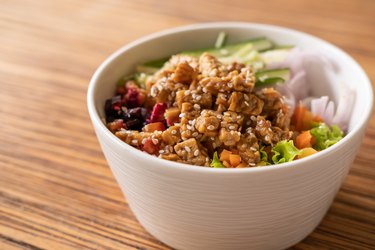
Photo Credit yogurt image by anshuca from Fotolia.com

Probiotics are helpful microorganisms, usually bacteria, that help you to digest certain types of food and lower the risk for certain infections, including yeast infections. Yogurt and other fermented products often contain probiotics, and you can also purchase probiotic supplements to increase the levels of friendly bacteria in your gut. Taking probiotics may be particularly helpful when you are taking antibiotics.

Probiotics Effects

Taking probiotic supplements helps to increase your level of friendly bacteria, maintaining a proper balance in your gut of these bacteria. This lowers your risk for yeast infections and diarrhea, and can serve as a complementary treatment for these conditions along with the treatment and medications prescribed by your doctor. However, you should speak with your doctor before adding these supplements, since not everyone should take them.

Use With Antibiotics

Since antibiotics kill the good bacteria along with the bad bacteria, taking probiotics along with antibiotics can help to keep the population of good bacteria in your gut from being totally destroyed. Sometimes antibiotics cause diarrhea or lead to infections of other bacteria due to the destruction of the healthy bacteria in the gut. Taking the right type of probiotics in these situations can help to minimize the risk of this happening.

Dosage

For preventing antibiotic-related diarrhea, children on antibiotics should take probiotics supplements containing 5 billion colony-forming units per day and adults should take supplements containing at least 10 billion colony-forming units per day during the entire time they are on antibiotic treatment, according to a study published in 2008 in the "American Family Physician." This will not interfere with the antibiotics. However, it is best to take these supplements with food at least two hours after taking your antibiotic to maximize the amount of probiotics that reach your intestines alive.

Considerations

The type of probiotic you take is important, not just the amount. Some probiotics work well for certain conditions and not for others. No one probiotic is good for everything. Three types of probiotics that are particularly useful against diarrhea for those who are taking antibiotics are Bacillus coagulans GBI-30, Lactobacillus rhamnosus GG, and S. cerevisiae boulardii, according to a 2009 CNN Health article.

Young children, elderly people and those with compromised immune systems may be more likely to experience side effects when taking probiotics. These are generally mild, but can also include infections or other more serious side effects.

References

Article reviewed by JudithT Last updated on: Mar 11, 2011

Must see: Photo Galleries