















































How Much Ginger Do I Take for Motion Sickness?

How Much Ginger Do I Take for Motion Sickness?
Photo Credit ginger image by Aleksandr Ugorenkov from Fotolia.com

Motion sickness can ruin a journey or even an entire vacation. It is characterized by cold sweats, nausea and headache and most commonly affects young children, although some adults experience it from time to time. Oral medicines or medicated transdermal patches may be suitable solution for people that only travel occasionally or only suffer from motion sickness in certain situations. However, they cause drowsiness and affect judgement. As such, some people may prefer more natural remedies. The herb ginger may help to alleviate motion sickness, but as with all herbs, get medical advice before using it.

Potential Benefits

Although you may think of ginger simply as a flavoring for spicy food dishes, it has been used as a medicinal remedy for thousands of years. It is sometimes used as an alternative medicine for a variety of ailments including high cholesterol, osteoarthritis and migraine, but it is principally used to alleviate nausea and stomach aches. Up-to-date studies examining the efficacy of ginger as a motion sickness remedy are lacking. However, the results of a clinical trial, published in January 1988 in "Acta Oto-Laryngologica," shows that taking 1g of ginger every hour for four consecutive hours reduces motion sickness symptoms more effectively than placebo.

Dosage

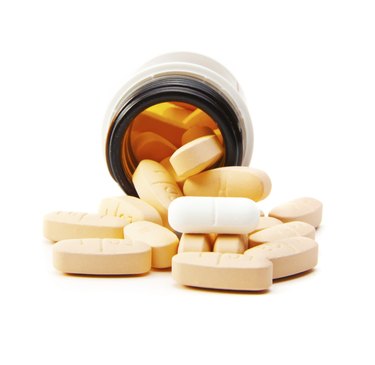
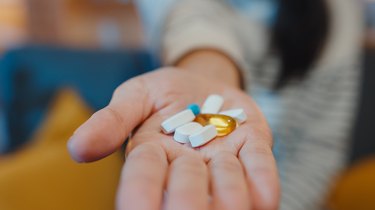
You can take ginger as an herbal tea or tincture, but some people find taking it in capsules or tablet for more convenient. Alternatively, you may prefer to take raw ginger. The University of Maryland Medical Center suggests taking 250 mg of a standardized extract three times daily, or as needed, to relieve motion sickness. This dose is only intended to be guideline and may be influenced by the patient's age. For example, a child may need less than an adult. Ask your health care provider whether this is an appropriate amount for you or your child.

Safety

Ginger is listed on the U.S. Food and Drug's Administration's "generally recognized as safe" list. However, it may have a blood-thinning effect so should not be used alongside anticoagulants or if you have a bleeding disorder. You should also avoid this herb if you have diabetes or a heart condition, according to RxList. It may also heighten the effects of antihypertensive drugs.

Other Considerations

You may find that the more you travel, the less you experience motion sickness. In addition, many children that suffer from motion sickness usually "grow out" of it. UMMC states that some people find ginger more beneficial than others. If you find ginger unhelpful, but you want to take an herbal approach to alleviating your symptoms, you could try black horehound or peppermint. As with ginger, get medical advice before using either of these herbs, particularly if you are treating a child with motion sickness.

References

Article reviewed by Lynda Moultry Belcher Last updated on: Mar 13, 2011

Must see: Photo Galleries