






























































Good & Bad Food for Gastric Ulcers

Good & Bad Food for Gastric Ulcers
Photo Credit French Fries image by ilumus photography from Fotolia.com

Gastric ulcers, medically known as peptic ulcers, are characterized by erosion of the lining of your stomach or esophagus. This produces sores that can cause pain, burning sensations after eating, nausea and lower back pain. About 10 percent of adults in the United States suffer from gastric ulcers, according to Phyllis Balch, author of "Prescription for Nutritional Healing." Certain foods may help relieve gastric ulcer symptoms, and others may worsen this condition.

Flavonoid-Rich Foods

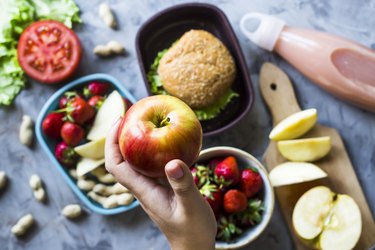
Flavonoids are antioxidants that occur naturally in plant-based foods. These substances may stop the growth of Helicobacter pylori, the bacteria that causes most gastric ulcers, according to the University of Maryland Medical Center. Flavonoids may also help prevent damage to the lining of your esophagus and stomach. Cranberries, onions, garlic, apples, celery and tea are rich sources of flavonoids.

Fatty Foods

Foods containing saturated fats -- such as eggs, dairy products, chicken legs and wings, pork, and beef -- may aggravate gastric ulcers. Trans fats, which are commonly found in fried foods, prepackaged snacks and baked goods, may also worsen this condition. Saturated fats and trans fats are difficult to digest, so they may stimulate excess production of hydrochloric acid in your stomach, according to Balch. This acid may erode the lining of your digestive system, promoting the formation of new ulcers and irritating existing sores.

Vitamin K-Rich Foods

Vitamin K is responsible for the production of platelets that clot blood and prevent excessive bleeding. It may help reduce bleeding of gastric ulcers, which may promote healing and speed recovery, according to Balch. Alfalfa, spinach, avocados, kale and strawberries are rich sources of natural vitamin K.

Fiber-Rich Foods

Foods rich in dietary fiber may help promote the healing of gastric ulcers, according to the University of Maryland Medical Center. Dietary fiber may absorb excess hydrochloric acid, preventing it from irritating the lining of your stomach and esophagus. It may also bind to trans fats and saturated fats, enabling your digestive system to remove them as wastes instead of digesting them. This may reduce production of hydrochloric acid.

Caffeine

Reduce or eliminate your consumption of caffeine if you have gastric ulcers. Caffeine is most commonly associated with coffee; however, soft drinks, chocolate and cacao nibs also contain this chemical. Caffeine may increase production of digestive acids in your stomach, according to Balch.

References

Article reviewed by Contributing Writer Last updated on: Mar 16, 2011

Must see: Photo Galleries

Member Comments