
































































Increase Lean Muscle Mass

Lift weights, do cardio and eat properly to gain lean muscle mass. Muscle takes up less volume in the body--a pound of muscle will take up less space than a pound of fat. Lean muscles can transform a body's shape and appearance. Strong and lean muscles contribute to weight management, toning, disease prevention and increases in flexibility and self-esteem. According to Mayo Clinic, people with lean muscle mass experience good sleep, strengthen their bones, and experience more energy throughout the day and during exercise.

Workouts

Step 1

Do not cut back on cardio workouts while you are trying to increase lean muscle mass. Cardio burns calories and sheds excess weight. According to the American College of Sports Medicine (ACSM), you should do 30 minutes of cardio (moderate intensity) five days a week or three intense 20-minute sessions a week. Run, bike, use the elliptical machine or do any other form of cardio that gets your heart rate up and challenges you throughout the workout.

Step 2

Do two weekly sessions of eight to 10 strength training exercises for all major muscles, according to ACSM. Do at least one set of each exercise and perform eight to 15 repetitions. For more muscle gains, do two to three sets of each exercise three times a week. Rest one day in between weightlifting sessions.

Step 3

Stretch after each workout. Flexibility leads to better performance and more strength gains. Do a stretch for each muscle area that you use during a workout. Do each stretch two times, and hold for 30 to 60 seconds.

Nutrition

Step 1

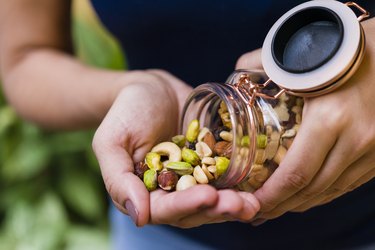
Eat the right foods to make sure you are getting the most out of your workouts. Lean muscle mass is a result of nutrition and exercise. Eat lean meats, fish, nuts and beans for sources of protein. Eat whole grains, vegetables, fruits and low-fat dairy. Limit sweets and snack food.

Step 2

Fuel yourself before exercise. Eat a snack of protein and carbohydrates before a session. For example, eat an apple with peanut butter. Eating time varies for different people. Compare eating an hour before a workout and two hours before exercise to find out when you feel properly fueled for a routine.

Step 3

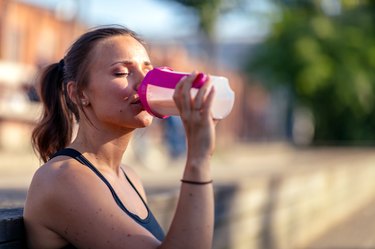
Drink water with each meal. Hydrate before, during an after each workout. Drink 1/2 cup to 1 cup of water for every 15 minutes you exercise.

Lifestyle

Step 1

Get the amount of sleep your body needs each night. Proper rest plays a key role in muscular healing, repair and strengthening after a workout routine. A good night's sleep provides energy for exercise.

Step 2

Practice stress management. Find different modes of relaxing and incorporate them into your daily life. High stress levels contribute to weight gain and quitting exercise. Plan how you will continue to work out during challenging times.

Step 3

Set weekly fitness and nutrition goals. Clarifying and seeing them will help you stick to your plan and achieve lean muscle mass.

Tips and Warnings

  • Breathe throughout each exercise. Find an exercise buddy to provide company, challenge you and hold you accountable during your workouts.
  • Stop exercise if you feel pain, dizzy or nauseous during the routine. Ask for help immediately if symptoms do not go away.

References

Article reviewed by David Lee Last updated on: Nov 27, 2009

Must see: Photo Galleries

Member Comments