







































































Microscopic Lymphocytic Colitis Treatment

Lymphocytic colitis is a rare form of inflammatory bowel disease (IBD). It is similar to another type of IBD called collagenous colitis. The two disorders are classified as microscopic colitis because diagnosis is made through a biopsy that analyzes microscopic tissue from the colon. Treatment involves diet changes and medication.

Types and Prevalence

IBD is an umbrella term for several disorders that cause inflammation in the intestines. The most common forms are Crohn's disease and ulcerative colitis, which are more severe than lymphocytic and collagenous colitis. Most people diagnosed with lymphocytic colitis are 60 to 80 years old, according to the U.S. National Institutes of Health, but anyone can get it. Men and women develop the disorder in equal numbers.

Symptoms

Lymphocytic colitis symptoms include chronic watery and non-bloody diarrhea. The patient might also experience abdominal pain or cramps, nausea and weight loss. Intestinal inflammation is not visible when the doctor looks at the colon lining during a colonoscopy or sigmoidoscopy, so diagnosis must be made with a biopsy. Lymphocytic colitis is diagnosed if the colon tissue samples show elevated white blood cell (lymphocyte) levels.

Diet

Many lymphocytic colitis cases resolve on their own within several weeks without treatment, according to the Mayo Clinic. Diet changes can help. Both the Mayo Clinic and the NIH recommend reducing the amount of fat in the diet and eliminating foods and beverages that contain lactose (dairy products). Caffeine also can trigger lymphocytic colitis, which means avoiding coffee, tea and some soft drinks. The Mayo Clinic recommends avoiding alcohol, spicy foods, and foods that tend to cause gas, such as beans, cauliflower, broccoli, cabbage and raw fruit.

Medication

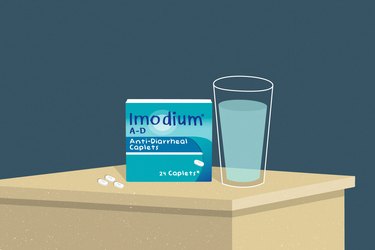
A doctor can prescribe anti-inflammatory medications if lymphocytic colitis is severe or does not clear up over time. Over-the-counter anti-diarrhea medications can help relieve symptoms. In certain cases, doctors prescribe immunosuppressive drugs to treat lymphocytic colitis. Patients with severe lymphocytic colitis that does not respond to any treatment might need surgery, but that is rare.

Significance

Scientists do not know the cause of lymphocytic colitis, according to the NIH. It might result from bacteria, a virus or an autoimmune disorder. Many people who develop the condition have been taking nonsteroidal anti-inflammatory drugs (NSAIDs), such as aspirin or ibuprofen, on a regular basis, so lymphocytic colitis patients should avoid taking those drugs. Although it can be an aggravating condition, lymphocytic colitis does not lead to further conditions such as colon cancer.

References

Article reviewed by Kirk Ericson Last updated on: Nov 21, 2011

Must see: Photo Galleries