

























































Why Is a Proper Diet So Important to Your Bones?

Why Is a Proper Diet So Important to Your Bones?
Photo Credit Container of milk. Plastic milk bottle image by L. Shat from Fotolia.com

Keep your bones healthy for a lifetime by eating a wide variety of foods containing calcium, vitamin D, magnesium and other nutrients. Your bones provide more than a rigid structure for your body. They provide a reservoir of calcium to maintain your blood calcium level whenever calcium intake from your food is inadequate. As a priority, your blood calcium level will remain normal even at the expense of bone loss, which can result in osteoporosis, according to Eleanor Whitney and Sharon Rolfes in "Understanding Nutrition."

Function of Bones

Bones do a lot more than help you stand upright. Their other roles include protecting your organs, anchoring your muscles and storing calcium. The Centers for Disease Control and Prevention cautions that adequate calcium consumption and weight-bearing physical activity are needed to build strong bones of optimum bone mass.

Maximize Bone Mass

Peak bone mass refers to your body's potential for bone density. An average woman acquires most of her skeletal mass by age 20 and experiences a large decline as an older adult. Higher bone mass early on in life decreases the risk of brittle, fragile bones later in life. A healthy diet and physical activity can increase bone mass. When your diet, including dairy products, dark green leafy vegetables, nuts and calcium fortified foods, provides plenty of calcium, your body deposits calcium in your bones.

Bone formation in childhood and adolescence is critical to reaching your peak bone mass by your early twenties. When blood levels of calcium drop below normal, your body borrows calcium from bone for other important uses, such as muscle contraction, nerve functioning, blood clotting, blood pressure and immune defenses. That's why consuming enough calcium is important at all ages. You may have an inadequate calcium intake for years and only later in life discover that the integrity of your bones has been compromised.

Minimize Bone Loss

Modifiable age-related factors contribute to bone loss. Older adults typically consume less of calcium-rich foods and their ability to absorb calcium declines after about age 65. Their intake of foods rich in vitamin D may be low and their kidneys are less able to activate vitamin D to enhance absorption of calcium. Sunlight helps form vitamin D in your skin, but older adults usually spend little time in the sunshine. Hormones that help regulate bone and calcium metabolism change with age and tend to accelerate bone mineral withdrawal. Some bone loss is inevitable as you age and genetics, alcohol and tobacco abuse can accelerate bone loss, according to "Understanding Nutrition." To protect against the effects of bone loss, enter adulthood with enough calcium in your bones to last a lifetime. Ensure that sweetened beverages do not displace calcium-rich milk and calcium-fortified orange juice in the diets of children and adolescents.

Osteoporosis

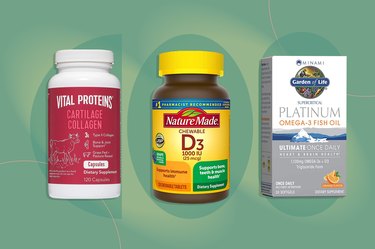
Porous bone, or osteoporosis, results from low bone mass and a deterioration of bone tissue that leads to increased risk of bone fractures. Osteoporosis becomes apparent later in life, but begins developing much earlier. Osteoporosis leads to an increased risk of bone fractures. An estimated 300,000 people in the United States experience hip fractures each year, according to "Understanding Nutrition." A healthy diet includes at least 1,200 mg calcium and 300 to 1,000 mg vitamin D3 to help your body absorb the calcium. A plentiful supply of calcium, vitamin D and protein provides the materials your body needs to form and maintain bone tissue.

References

Article reviewed by MER Last updated on: Apr 13, 2011

Must see: Photo Galleries

Member Comments