










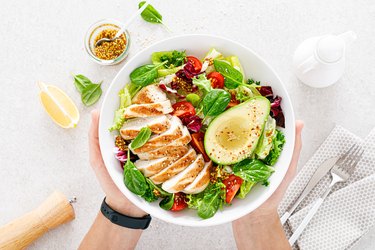









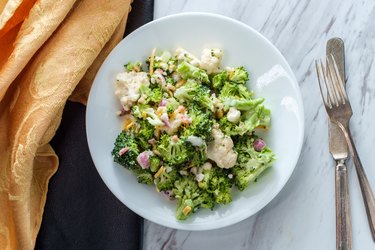
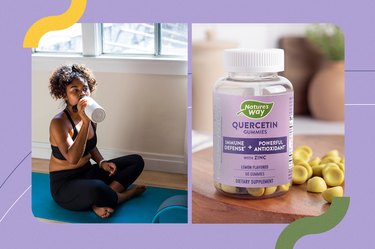
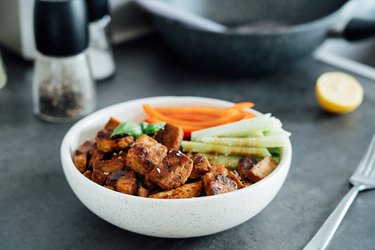


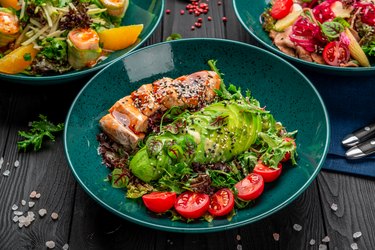
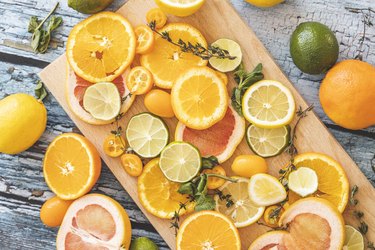
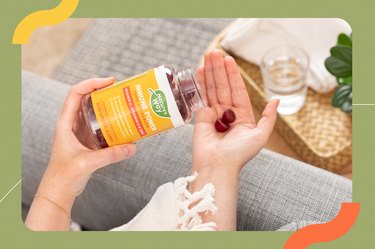





























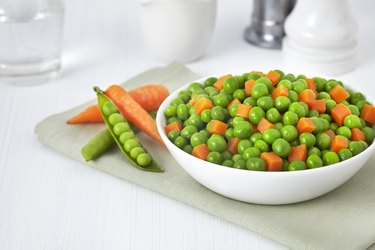
Lutein and zeaxanthin, are naturally occurring compounds known as xanthophylls, which are yellow pigments found in many plants and vegetables. Xanthophylls are in a class of nutrients called carotenoids. Food sources of lutein and zeaxanthin include dark-green leafy vegetables, fruit, and egg yolks. They may also be taken as supplements. Lutein and zeaxanthin may be helpful for many health conditions, such as macular degeneration and cataracts. A doctor should be consulted before taking any lutein and zeaxanthin supplements.
Lutein and Zeaxanthin
Lutein and zeaxanthin are found in high concentrations in the macula of the eye and give it its yellow color. The macula is the part of the eye responsible for central sharp vision, which is necessary for driving and reading. Lutein and zeaxanthin have antioxidant properties and thus help protect the body from damage caused by free radicals.
Age-Related Macular Degeneration
According to All About Vision, age-related macular degeneration, commonly called ARMD, is the leading cause of vision loss in America in people age 65 and higher. ARMD is caused by the deterioration of the macula. In a study published in a 1994 issue of the "Journal of the American Medical Association," researchers studied the effect of dietary carotenoids, vitamin A, C and E on advanced age-related macular degeneration. The authors found that a diet high in carotenoids was associated with a low risk for the disease. The research team commented that among the specific carotenoids, lutein and zeaxanthin were most strongly associated with a reduced risk for age-related macular degeneration.
Cataracts
A cataract occurs when the normally clear lens of the eye gets cloudy. Symptoms of cataracts include blurred, dim or clouded vision, sensitivity to light, double vision and poor night vision. In a study published in a 2008 issue of "Archives of Ophthalmology," researchers studied the relationship between the intake of carotenoids and vitamins C and E and the risk of cataracts in women. The team found that a high dietary intake of lutein, zeaxanthin and vitamin E from food and supplements was associated with a significantly decreased risk of cataracts.
Atherosclerosis
Atherosclerosis is a condition caused by the accumulation of fats in and on your artery walls, which form plaques and restricts blood flow. Over time, the plaques can make the artery wall narrow and hard, reducing blood flow. Restricted blood flow to the heart can lead to chest pain, shortness of breath and heart attacks. According to Eurekalert.org, lutein may help prevent atherosclerosis by helping prevent the thickening of artery walls.
References
- All About Vision: Age-Related Macular Degeneration
- "Journal of the American Medical Association": Dietary carotenoids, vitamins A, C, and E, and advanced age-related macular degeneration. Eye Disease Case-Control Study Group: Seddon JM, Ajani UA, Sperduto RD, et al: 1994
- "Archives of Ophthalmology": Dietary Carotenoids, Vitamins C and E, and Risk of Cataract in Women: William G. Christen, ScD; Simin Liu, MD; Robert J. Glynn, et al.: 2008.
- Eurekalert: A new vision of lutein: Heart disease prevention


