1 of 12
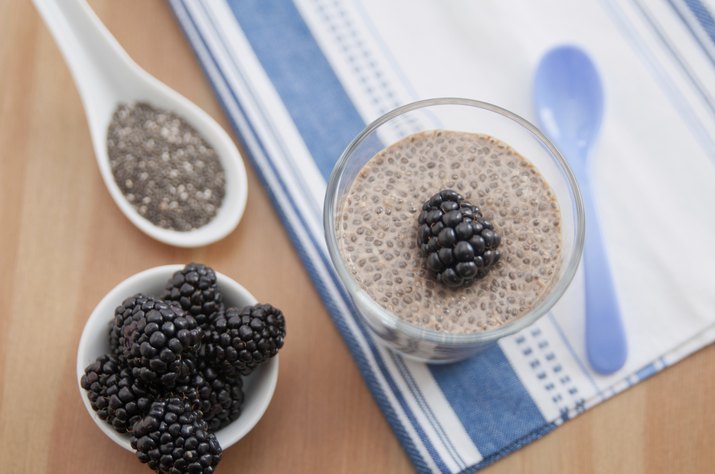
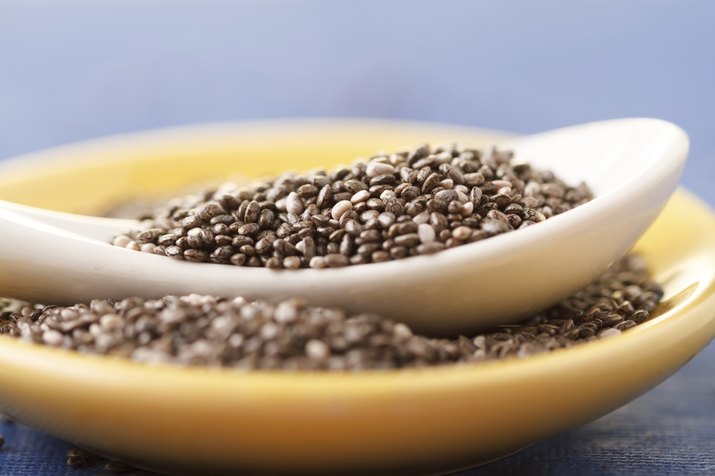
Chia seeds are showing up on supermarket shelves everywhere these days, thanks in part to their superior nutritional value, subtle taste and versatility as an ingredient. They're able to stand in for eggs, oil or gluten, which makes them a perfect addition to pudding, drinks and baked goods. But 21st century foodies aren't the first to fall in love with this nutritious little seed; the Aztecs grew chia widely in southern Mexico and believed the food to have medicinal properties. Two tablespoons of chia seeds contain about six grams of protein and 10 grams of fiber, and more than half of its oil is a beneficial omega-3 fat known as alpha-linolenic acid (ALA). Chia oil is one of the best vegetable sources of ALA, the consumption of which is linked to lower risk of diabetes, bone fractures, depression, heart disease and other chronic conditions. Chia is also a good source of magnesium, calcium, zinc and certain phenolic compounds, which protect cells against oxidative damage. About the size of a poppy seed, chia seeds come in black, grey and white varieties. If you've never used chia seeds, you may be surprised by their versatility in the kitchen. Read on to learn 10 easy ways to add this nutrient-packed seed to your diet!
Image Credit: A_Lein/iStock/Getty Images
2 of 12
1. Chia Chocolate Cookies
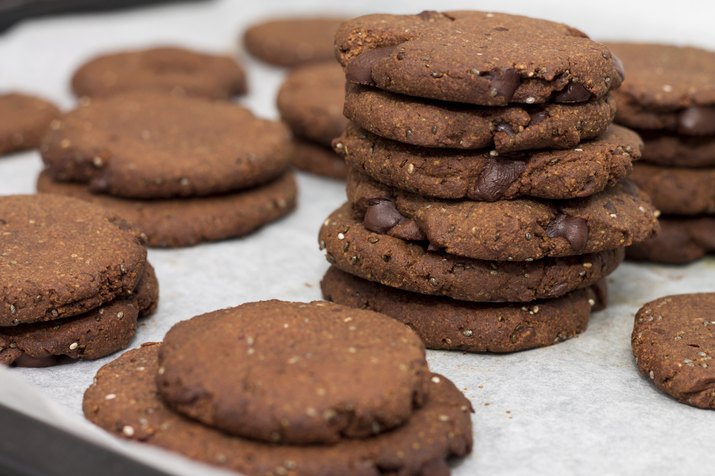
Both chia and cacao are marketed as "functional" foods owing to their high concentrations of certain beneficial nutrients. Although there is no widely agreed-upon definition for functional foods in the nutrition-science community, most definitions promote the concept that functional foods provide greater health benefits than other foods. Chia seeds certainly fit the bill: 60 percent of the oil found in the tiny seed is of the omega-3 type. Numerous studies demonstrate that regular omega-3 consumption reduces the risk of heart disease, in part by lowering blood pressure and triglyceride levels as well as reducing overall inflammation. Chocolate appears to have a similar anti-inflammatory and antihypertensive effect, although researchers caution against consuming too much sugar when eating chocolate. For a perfectly healthy dose of two functional foods, try these no-sugar chia-and-chocolate cookies.
Related: See Full Recipe and Nutritional Details in MyPlate
Image Credit: kriszta89/iStock/Getty Images
3 of 12
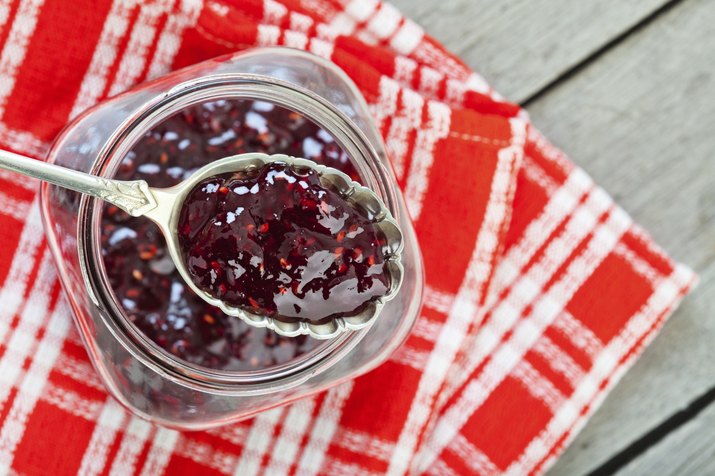
Chia seeds form a gel when exposed to water, which makes them a useful ingredient in foods that require thickeners. For this purpose, jams or fruit spreads often use pectin -- prized for its gelling qualities but not as a source of nutrients. With the exception of a bit of fiber and about 100 carbohydrate calories per ounce, pectin provides little in the way of nutrition. Chia, on the other hand, can serve as a gelling agent and a nutritious food. One ounce of chia seeds has 138 calories and provides 10 grams of fiber, 4.5 grams of protein and nine grams of fat -- more than half of which are omega-3s, shown to reduce risk of heart disease.
Related: See Full Recipe and Nutritional Details in MyPlate
Image Credit: Songbird839/iStock/Getty Images
4 of 12
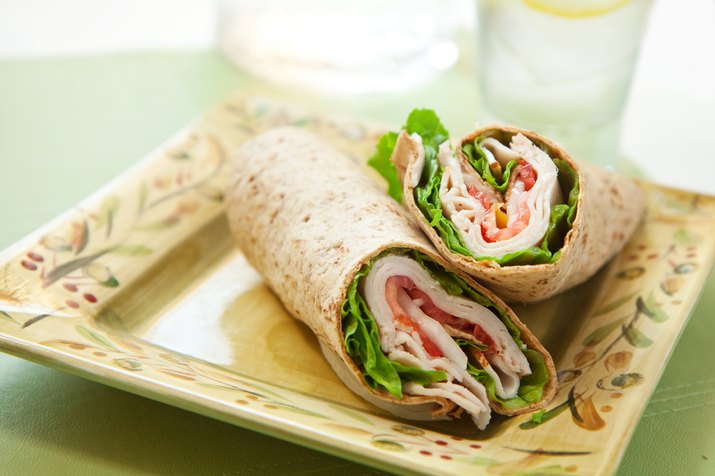
Chia seeds are a kitchen staple for anyone with common food allergies. "For my clients who can't eat gluten or eggs, I recommend chia, which can be used as a binder in cooking," says Julie Starkel, M.S., M.B.A., RD, an integrative nutritionist and co-owner of Metabolic Reset and Weight Loss Program in Seattle. Three of the eight most common food allergens -- milk, eggs and wheat or gluten -- are used as basic ingredients in many foods. Thankfully, when exposed to water chia seeds form a gel that can hold moisture and thicken and emulsify foods, which allows the tiny seed to replace these common allergens. "You can use chia seeds in place of breadcrumbs or eggs in meatballs or dessert bars, or add them to gluten-free wraps to keep them from falling apart." One of Julie's favorite recipes for a pliable, gluten-free wrap includes chia and flaxseed, two great sources of the healthy omega-3 fats. Chia seeds are also a smart substitute for wheat flour for those watching carb intake: More than 80 percent of the carbohydrate in chia seeds is dietary fiber, so two tablespoons provide only two grams of net carbs.
Related: See Full Recipe and Nutritional Details in MyPlate
Image Credit: msheldrake/iStock/Getty Images
5 of 12
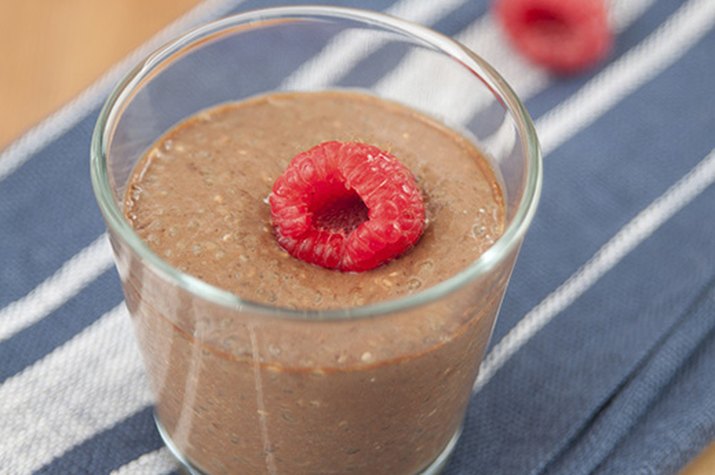
4. Chocolate Chia Pudding
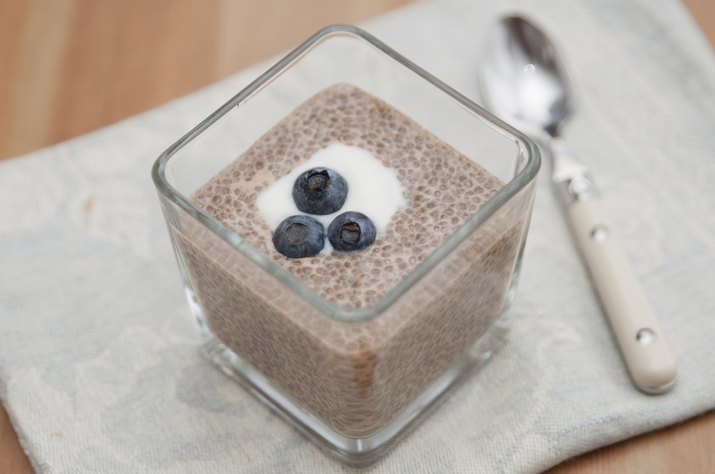
"Chia is action-packed with protein, fiber, omega-3s and minerals like calcium. It's also one of the easiest superfoods to use in recipes: Thanks to its small size and neutral flavor, you can sprinkle it in virtually anything," raves Julie Morris, best-selling author of "Superfood Kitchen" and executive chef at Navitas Naturals. Just one ounce of chia seeds provides 10 grams of fiber and more than four grams of omega-3s. When chia is soaked in liquid, "it has the fun quality of swelling up and forming a gelatinous mixture," says Morris. This gives a good texture to desserts, drinks and puddings. One of Morris' favorite recipes is Chocolate Protein Chia Pudding. The pudding isn't cooked; instead, the base ingredients are mixed and then chia seeds are added and allowed to sit for a while to absorb the liquid and create the pudding consistency.
Related: See Full Recipe and Nutritional Details in MyPlate
6 of 12
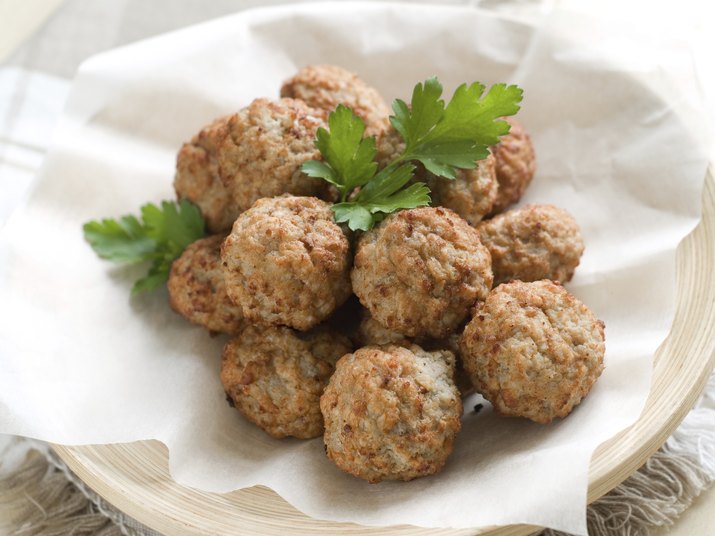
Many people know that chia seeds are high in fiber, antioxidants and omega-3 fats, making them a wonderfully nutritious food source. One ounce (about two tablespoons) of chia seeds contains 4.4 grams of alpha-linolenic acid (ALA) -- that's more than two-and-a-half times the recommended daily intake of ALA for men and four times the recommendation for women. But chia seeds are also prized for their versatility as a food ingredient, especially for those with food allergies. Because gluten and eggs are two of the most common food allergens, recipes that omit them are becoming increasingly popular. Chia seeds can stand in for both in Italian meatballs.
Related: See Full Recipe and Nutritional Details in MyPlate
Image Credit: Wiktory/iStock/Getty Images
7 of 12
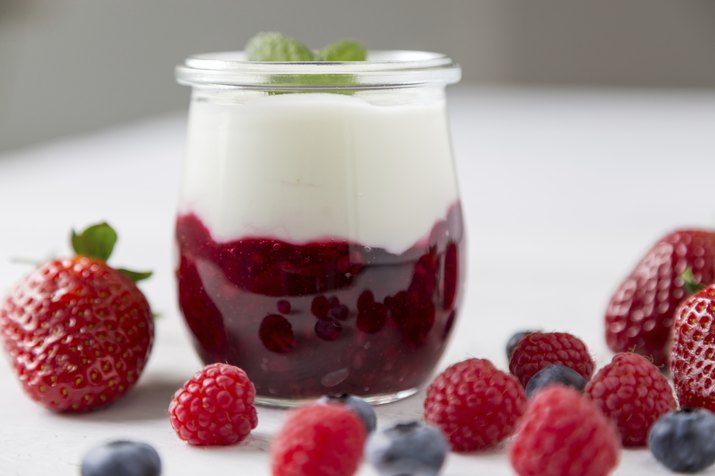
According to Layne Lieberman, RD, award-winning culinary nutritionist and author of "Beyond the Mediterranean Diet," chia seeds were a dietary staple of the Aztec and Mayan peoples. "Chia seeds have a mild flavor and can easily be added to almost any food or beverage," says Layne. Unlike flaxseeds, another seed popular for its omega-3 and fiber content, chia seeds do not need to be ground to reap the health benefits. "My favorite way of preparing chia seeds is to first soak the seeds in a liquid -- either fruit puree or almond milk. The seeds absorb the liquid and swell to create a "chia gel." The chia gel can be mixed into yogurt or added to smoothies," Layne recommends.
Related: See Full Recipe and Nutritional Details in MyPlate
Image Credit: 8vFanI/iStock/Getty Images
8 of 12
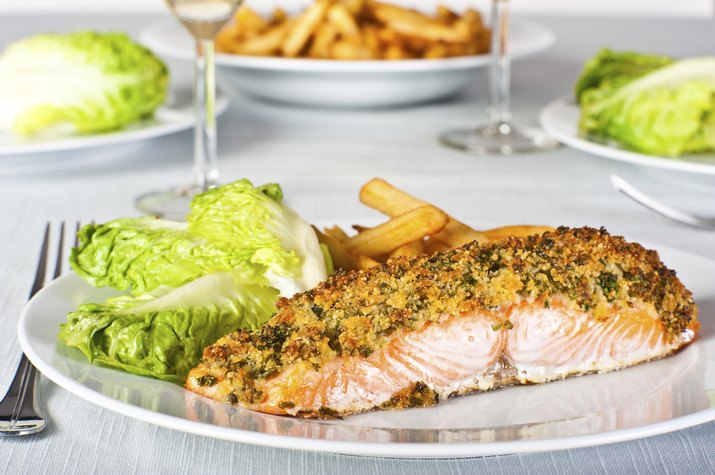
7. Chia Seed Crusted Fish
Although fish consumption is encouraged twice a week as part of a healthy diet, many recipes call for breading the fish and cooking it in oil, and that adds a lot of extra calories and fat to an otherwise healthy entrée. If you want something that's just as tasty (but significantly healthier), try this Chia Seed Crusted Fish recipe. In addition to having a high concentration of omega-3 fats, chia seeds are a great source of essential minerals. One ounce (about two tablespoons) of chia seeds provides 95 milligrams of magnesium, about a third of the Recommended Dietary Allowance (RDA) for adult females and a quarter of the RDA for males. Chia seeds can also be an important source of calcium for those who can't tolerate dairy products; one ounce of the seeds provides more than 20 percent of the RDA of calcium for men and women.
Related: See Full Recipe and Nutritional Details in MyPlate
Image Credit: Demid/iStock/Getty Images
9 of 12
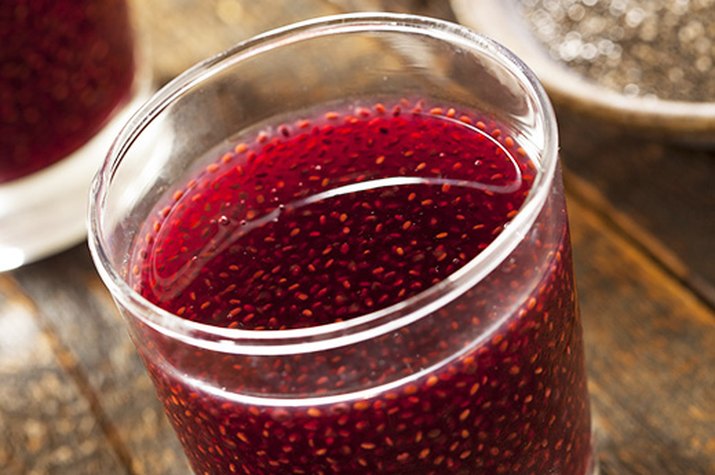
You've probably seen chia seeds suspended in bottles of juice at the grocery store, but did you know that "chia fresca" is a traditional drink in Mexico and Central America? Chia seeds were historically grown by the Aztec in southern Mexico and prized for their nutrition content and medicinal properties. Chia seeds are still popular today owing to their beneficial nutrients, which include the ALA omega-3 fatty acids and important antioxidants such as isoflavones and anthocyanins. These nutrients, also known as polyphenols, protect against cancer, heart disease and diabetes by preventing or repairing cells damaged by free radicals. In addition to containing disease-preventing nutrients, chia seeds expand when placed in liquid, which makes them a fun addition to drinks like chia fresca!
Related: See Full Recipe and Nutritional Details in MyPlate
10 of 12
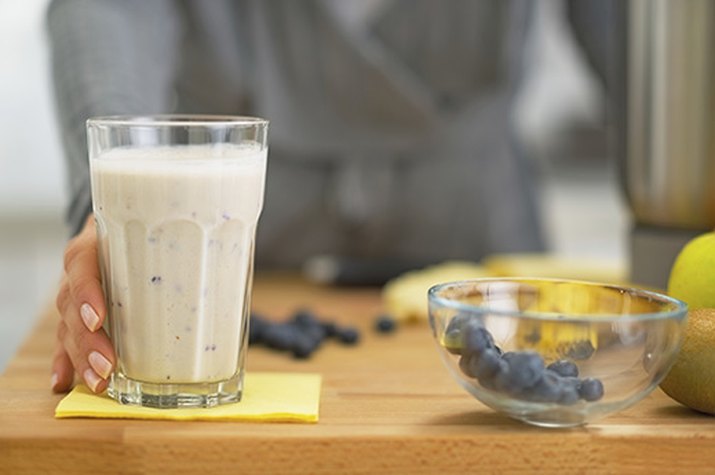
No list of chia seed recipes would be complete without mention of a chia smoothie. Chia seeds have some of the same benefits of flaxseed, another popular smoothie ingredient. Both seeds contain loads of fiber and omega-3 fats, but flaxseeds are not fully digestible in whole form; they must be ground to provide the full dose of their beneficial fat content. Unfortunately, ground flax is vulnerable to oxidation and can spoil quickly, so many people grind their flaxseed just before using. This step can be time-consuming -- especially in the busy morning hours when there isn't a second to spare. Chia seeds are superior in at least two ways: Not only can they be used whole, but the tiny seeds have one of the highest concentrations of omega-3 fats among plant sources. And what better place to use them than in a healthy morning smoothie!
Related: See Full Recipe and Nutritional Details in MyPlate
11 of 12
10. Sprinkle Chia Seeds on Your Breakfast
An easy way to incorporate chia seeds that doesn't even require a recipe is sprinkling them on top of your oatmeal, granola, cereal or other breakfast fare. The tiny seeds are crunchy when dry and almost tasteless, so they add texture to foods without changing their flavor. It's an easy way to get a more nutritious breakfast. Chia seeds contain more polyphenols than raspberries, more omega-3s than flaxseed and the same amount of fiber as two-thirds of a cup of oats. Chia seeds are also a good source of magnesium, calcium and zinc. But be aware that they swell when left for a few minutes in liquid, so if you want them to stay crunchy in a bowl of cereal with milk, you'd better eat them quickly.
Related: Sign Up to Receive the FREE LIVESTRONG.COM Weekly Health and Fitness Newsletter
Image Credit: AD077/iStock/Getty Images
12 of 12
Do you already eat chia seeds? If so, how do you incorporate them in your diet? Do you have any favorite chia recipes you'd like to share? Which of these recipes are you most willing to try? Let us know your thoughts -- we love hearing from you!
Related: 7 Healthy Paleo Dinners
High levels of total or low-density lipoprotein (LDL) cholesterol in your blood can increase your risk for heart disease, but you may be able to maintain or achieve healthy numbers by modifying your diet. Some of the nutrients in chia seeds may lower your cholesterol, and they are most effective as part of an overall balanced diet. Talk to your doctor about additional steps you can take to lower your cholesterol.
Image Credit: A_Lein/iStock/Getty Images
Chia seeds come from the chia plant, which is also known as Salvia columbariae Benth, according to the Department of Agriculture. They are native to the southwestern United States and the coast of California, and currently grow in parts of Nevada, California, Arizona, Utah and New Mexico. Native Americans on the Pacific coast have historically used chia for gastronomical and medicinal purposes, and the seeds provide protein and calcium. After roasting chia seeds, you can eat them plan, add them to porridge or soup or mix them with beverages to thicken them.
To lower your cholesterol, eat chia seeds as part of a diet which gets no more than 10 percent of calories from cholesterol-raising saturated fat, according to the 2010 Dietary Guidelines from the U.S. Department of Health and Human Services. Since fat has nine calories per gram, this means limiting your saturated fat intake to no more than 22 g per day on a 2,000-calorie diet. An ounce of chia seeds has only 0.9 g saturated fat. Dietary cholesterol may raise your LDL cholesterol, and chia seeds are cholesterol-free.
Each ounce of chia seeds provides 10.7 g of dietary fiber. Dietary fiber comes from the parts of plant foods that your body cannot digest, and it lowers levels of total and LDL cholesterol in your blood, according to the Linus Pauling Institute Micronutrient Information Center. A healthy diet includes at least 14 g dietary fiber per 1,000 calories that you eat, but the typical American diet includes less than half of that amount, according to the 2010 Dietary Guidelines.
An ounce of chia seeds supplies nearly 5 g of alpha-linolenic acid, and alpha-linolenic acid is an essential omega-3 fatty acid. Omega-3 fatty acids are heart-healthy fatty acids, and they may lower your total cholesterol levels, according to the University of Maryland. Walnuts, flaxseed and canola oil are other sources of alpha-linolenic acid, and fatty fish and shellfish provide other omega-3 fatty acids called docosahexaenoic acid and eicosapentaenoic acid, according to the Linus Pauling Institute Micronutrient Information Center. The daily value for alpha-linolenic acid is at least 1.1 to 1.6 g per day, according to the 2010 Dietary Guidelines.
Obesity increases your cholesterol levels, so eat chia seeds only in moderation to avoid unwanted weight gain because each ounce provides 139 calories. Some ways to include them in a nutrient-dense diet are as toppings for smoothies, yogurt or cereal. Many factors affect your cholesterol levels and risk for heart disease, and eating chia seeds as part of a healthy diet might not be enough to lower your cholesterol. Continue to follow your doctor's medical advice for staying healthy.