






























































Maintaining healthy levels of blood cholesterol levels and blood pressure are two important factors for optimal function of your heart and your overall health. The goal is to keep your blood pressure around 120/80 mm Hg, or millimeters of mercury. For cholesterol, the ideals values are as follows: less than 200 mg/dL for total cholesterol, less than 100 mg/dL for LDL cholesterol, more than 40 mg/dL for HDL cholesterol and less than 150 mg/dL for blood triglycerides. In addition to standard therapy and a healthy diet, resveratrol may also help you better manage your cholesterol and blood pressure; however, supplementation with this natural product should be medically supervised.
Resveratrol and High Cholesterol
Grapes contain plant compounds called phenols, and resveratrol is one of the key polyphenols found in grapes. Resveratrol has been found to decrease LDL cholesterol and prevent the formation of blood clots. In addition, this supplement has other protective effects on the heart, such as inhibiting the formation of fat deposits on the wall of the arteries, relaxing blood vessels and helping maintain optimal rhythm of the heart beats. These are the conclusions of a research study published in the November 2008 issue of "Nutrition Research."
In animal subjects with diabetes and hypertension, resveratrol showed benefits in improving triglycerides, total cholesterol as well as insulin levels and blood pressure, indicates a study featured in the March 2009 issue of "Biomedical Pharmacology."
Resveratrol and Blood Pressure
The effects of 1mg/kg daily of resveratrol were evaluated in animal subjects in a study published in March 2011 in "Current Pharmaceutical Biotechnology" by a research team from The University of Queensland, Brisbane, Australia. The authors found that resveratrol improved blood pressure levels as well as some parameters that evaluate heart function and inflammation.
According to Drugs.com, resveratrol also appears to be beneficial for cardiovascular conditions by inhibiting the clumping of platelets that cause blood clots and further lead to heart attacks and strokes.
Sources of Resveratrol & Safety
Besides grape skin, grape seeds and red wine, berries, peanuts and a Japanese plant called knotweed are sources of resveratrol. In fact, most resveratrol-based supplements available in North America are extracted from the Japanese knotweed. No side effects from consumption of resveratrol supplements have been reported in humans as of 2011, although the long-term safety has not been fully evaluated, says Drugs.com. More research is also needed in humans to fully confirm resveratrol's benefits, since many studies have been conducted in animal subjects.
Considerations
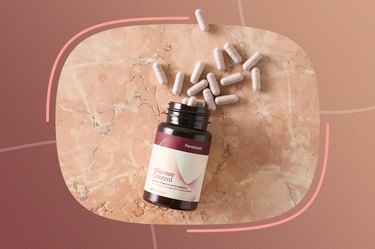
Consult a qualified health care provider to determine the optimal dosage of resveratrol that may help improve your cholesterol and blood pressure levels. Keep in mind that this supplement does not replace and should not be used to replace any prescription drugs your are currently taking.
References
- Merck Manual: Dyslipidemia
- Drugs.com: Resveratrol
- "Nutrition Research."; Cardioprotective Actions of Grape Polyphenols; WR. Leifert et al; November 2008
- "Biomedical Pharmacology"; Long-term Resveratrol Administration Reduces Metabolic Disturbances and Lowers Blood Pressure in Obese Zucker Rats; L. Riviera et al,; March 2009
- "Current Pharmaceutical Biotechnology"; Resveratrol Improves Cardiovascular Function in DOCA-salt Hypertensive Rats; V. Chan et al.; March 2011


