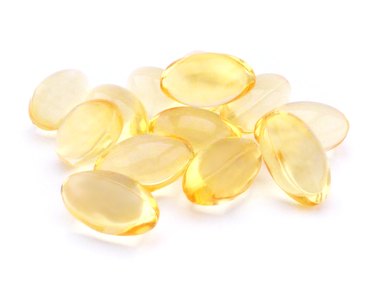
Iodine is an essential mineral your body needs to make thyroid hormones. However, too much iodine can cause health problems, including overactive thyroid; most adults only need 150 micrograms daily to maintain normal thyroid function. While iodine is sometimes prescribed to people with an underactive thyroid, iodine is unsafe to take with an overactive thyroid or without a doctor's supervision. Iodine is also available in certain foods, including salt and seafood. Although fish oil supplements are not associated with iodine-related health risks, you should talk to your doctor before taking fish oil.
Iodine in Fish Oil
Video of the Day
As fish and other seafood, such as seaweed, provide dietary iodine, fish oil supplements may contain some iodine. However, the amount of iodine in fish oil depends, in part, on the way that the fish oil is processed, according to a study published by the journal "Pure and Applied Chemistry" in 1990. As cod fish is an especially rich source of iodine, providing 99 micrograms in 3 ounces of fish, cod liver oil may contain more iodine than other types of fish oil; some retailers of cod liver oil warn against using their product if you have an iodine allergy. Contact the manufacturer of your fish oil supplement to determine its iodine content.
Video of the Day
Considerations
Although fish oil may contain some iodine, the amounts of iodine aren't likely to be significant. While hyperthyroidism, or an overactive thyroid, is a contraindication for iodine supplements and high iodine intake from iodine-rich foods, such as iodized salt, this is not the case for fish oil. Health authorities, including the National Institutes of Health and the University of Maryland Medical Center, do not warn against fish oil use for people with iodine allergy, thyroid disorder or people taking thyroid medication. In fact, University of Maryland Medical Center recommends fish oil for people with hyperthyroidism, due to its possible anti-inflammatory properties.
Other Iodine Sources
If you are looking to increase your iodine intake to meet nutritional needs or for an underactive thyroid, fish oil probably isn't your best bet, but you can obtain iodine from other dietary sources. Besides cod, good providers of iodine in the diet include iodized salt, offering 77 micrograms of iodine per 1 gram; cow's milk, with 56 micrograms in 1 cup; shrimp, containing 35 micrograms of iodine per 3-ounce serving; and navy beans, providing 32 micrograms in 1/2 cup. Seaweed is a rich source of iodine, although it's important to keep intake moderate to avoid iodine excess; a 1/4-ounce portion of dried seaweed may contain more than 4,500 micrograms of iodine.
Warning
Although fish oil does not contain enough iodine to cause thyroid problems or other iodine-related health problems, it is associated with certain health risks. In particular, fish oil may increase risk of bleeding with liver disease, cause an excessive drop in blood pressure among people taking blood pressure-lowering medications, and cause immune system problems in people with HIV or AIDS. Cod liver oil, specifically, may contain unsafe levels of vitamin A and contaminants, such as mercury, that can harm health. Standard "fish oil" preparations, however, are likely safe for most people when taken in small doses of 3 grams per day or less, notes MedlinePlus.
- Linus Pauling Institute: Iodine
- ProHealth Solutions: Cod Liver Oil
- Pure & Applied Chemistry: Determination of the Iodine Value of Oils and Fats
- MedlinePlus: Fish Oil
- University of Maryland Medical Center: Hyperthyroidism
- UC Berkeley Wellness Guide to Dietary Supplements: Cod Liver Oil
- MedlinePlus: Iodine